By Tapiwa Chawagarira
Small and Medium Enterprises (SMEs) in Zimbabwe have welcomed the country’s participation in the SADC High-Level SMEs Public–Private Dialogue Forum, saying this engagement strengthens Zimbabwe’s role in shaping regional SME policy.
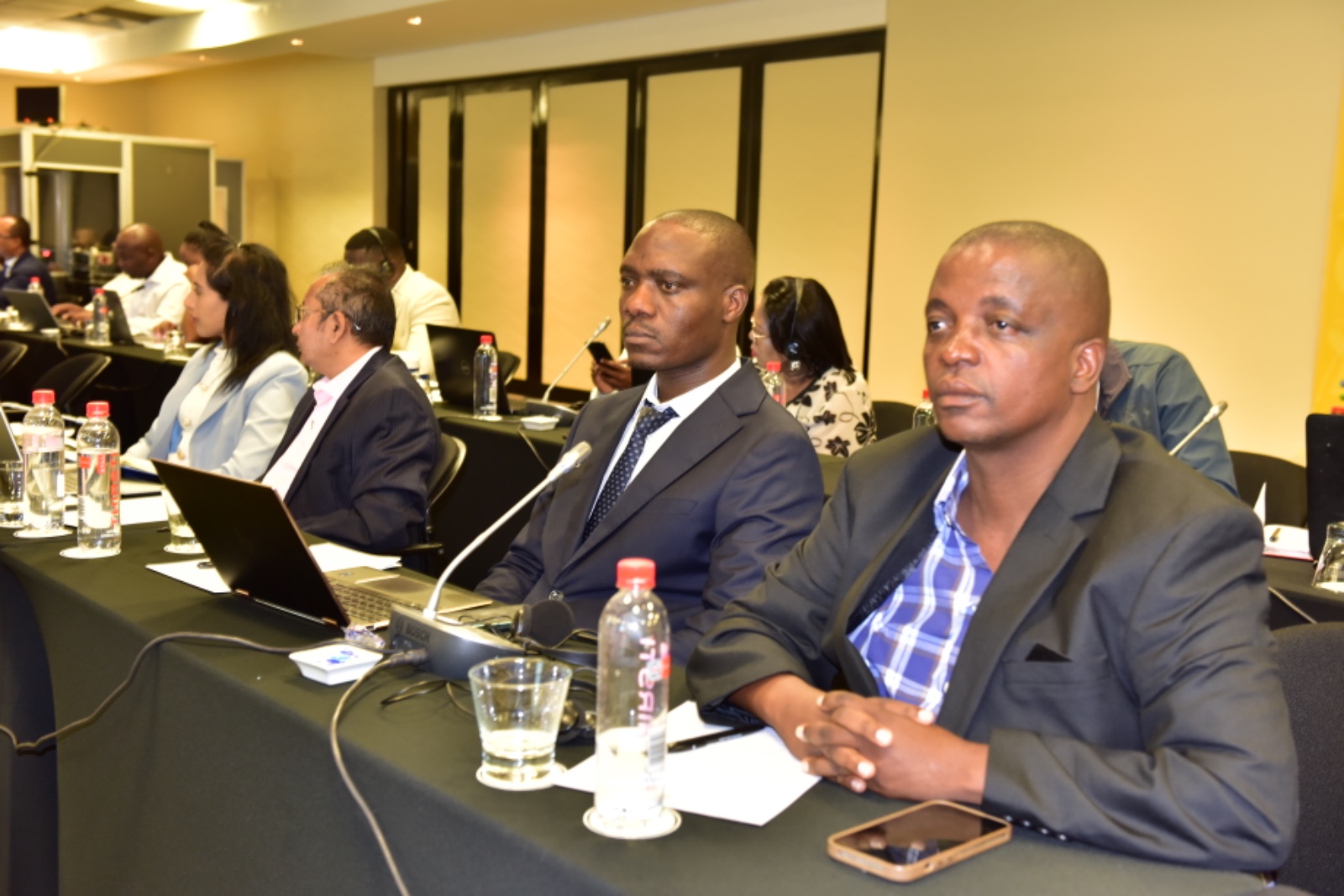
The forum, held from February 2–3, 2026, in Johannesburg, South Africa, and convened by the SADC Secretariat at Southern Sun OR Tambo, brought together senior policymakers, private sector leaders, financial institutions, development partners, and SME experts from across the Southern African Development Community (SADC) region.
The engagement aimed to accelerate the implementation of the SADC SME Development and Competitiveness Strategy (2025–2029).
Zimbabwe was represented at the high-level forum by National Secretary-General for SMEs, Venencio Kurauone, who participated as part of the official delegation and advocated for Zimbabwean SMEs’ interests.
In a telephone interview with NewZiana, Kurauone said Zimbabwe’s participation is critical for ensuring local SMEs are fully integrated into regional industrialisation and trade frameworks.
“Our participation at this forum ensures the voices of Zimbabwean SMEs are heard regionally. It provides opportunities to highlight entrepreneurial challenges, explore partnerships, and align national SME priorities with SADC and African Continental Free Trade Area initiatives. Our goal is to ensure Zimbabwean SMEs remain competitive across the region,” he said.
Discussions at the forum addressed persistent challenges affecting SME growth, such as access to finance, market integration, standards and quality infrastructure, skills development, innovation, digitalisation, and supplier-linkage development within priority regional value chains.
The dialogue focused on operationalising the five strategic pillars of the SADC SME Development and Competitiveness Strategy (2025–2029), approved by the SADC Council of Ministers in August 2025. Member States were encouraged to share concrete case studies, outline national implementation measures, and identify priority actions for 2026–2027.
Special emphasis was placed on empowering youth-led and women-owned enterprises, strengthening public–private collaboration, and creating enabling regulatory environments that allow SMEs to scale and participate meaningfully in regional and continental trade.
The SME community noted that Zimbabwe’s representation at such high-level platforms is key to ensuring that regional policy decisions translate into tangible benefits for entrepreneurs on the ground.
As Zimbabwe continues to pursue economic transformation driven by SMEs, participation in strategic regional forums like the SADC High-Level SMEs Public–Private Dialogue Forum remains vital to ensuring that local businesses are not left behind in regional and continental integration processes.


Government urged to stop Harare demolitions after St Martin’s houses razed
By Sharon Tawuya Harare, (New Ziana)- The government should intervene and stop...