Bulawayo, (New Ziana)-The Zimbabwe government has stepped up disease control measures throughout the country to protect the livestock sector by rolling out vaccines, dispatching dip chemicals, and strengthening cross-border surveillance in response to escalating outbreaks.
Permanent secretary in the Ministry of Lands, Agriculture, Fisheries, Water and Rural Development Prof Obert Jiri on Friday said they are prioritising vaccination campaigns and tick control programs, to safeguard the national herd and secure rural livelihoods.
“We have ensured that critical cattle dip chemicals are dispatched to hotspot areas, and we are scaling up vaccination efforts across the country.
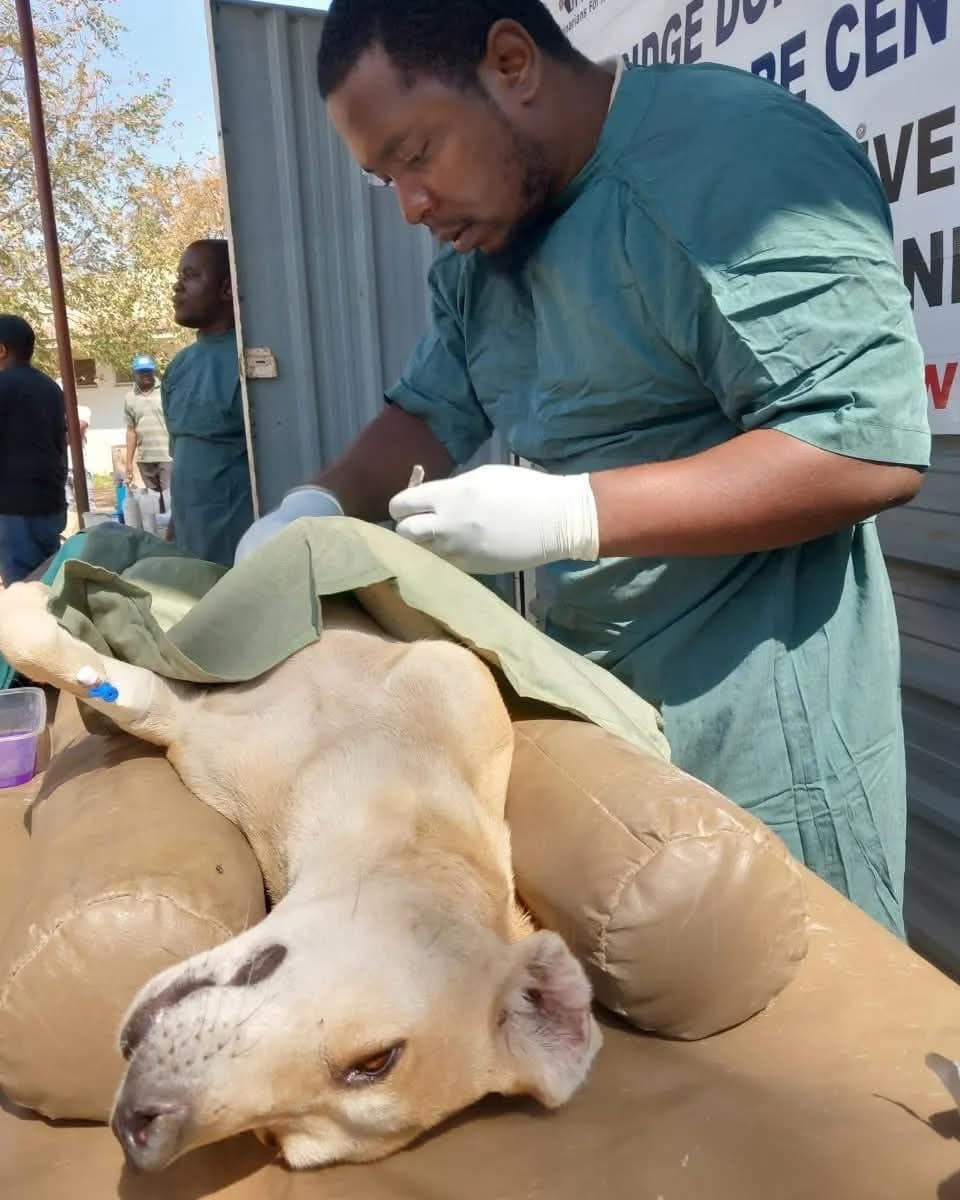
“Our local production capacity allows us to produce 100 000 doses of the January disease vaccine annually, while we are importing 1.2 million doses for Foot and Mouth Disease and over 600 000 rabies vaccines to strengthen our response,” he said.
The intensified response follows a surge in January disease (Theileriosis), which has proven particularly devastating this year as it has claimed thousands of cattle, especially in communal farming areas, where livestock are central to household incomes and food security.
Prof Jiri attributed the severity of the outbreak to shifting climate patterns that have created favourable conditions for tick multiplication.
“This year, January disease has been especially destructive due to climatic changes that are increasing tick populations and accelerating transmission,” he explained.
Foot and Mouth Disease (FMD) remains a constant concern, particularly in border districts where cross-border animal movements heighten the risk of transmission, and the government has reinforced surveillance as well as vaccination in high-risk zones to contain potential flare-ups.
A Memorandum of Understanding (MoU) with Botswana has further strengthened cooperation in managing stray cattle and coordinating disease control measures along the shared border.
The livestock sector plays a critical role in agricultural production, contributing to beef supply, draught power, and household incomes.
Disease outbreaks not only reduce herd sizes, but also weaken export potential and threaten national food security.
Despite abundant rains that have improved grazing and water availability, authorities warn that sustained disease control efforts are essential to prevent further losses.
“Protecting our livestock is protecting our economy and food security. We remain fully committed to deploying the necessary resources to contain these diseases,” Prof Jiri said.
He said the integrated approach of vaccination, dipping, surveillance, and regional cooperation is designed to stabilise the sector and ensure long-term resilience of the country’s national herd.
New Ziana