
By Eugenie Muchetu
Harare (New Ziana)- Like any other child, Tanyaradzwa Masendeke of the high density dormitory town of Epworth, about 12 kilometres east of the capital, once dreamt of a bright future, hoping to become an information communication technology (ICT) specialist, but those dreams have been eclipsed by a debilitating genetic disorder called xeroderma pigmentosum (XP).
At just 17, Tanyaradzwa is now almost blind, her life defined by the relentless challenges of XP, and her wish is simple: a laptop that could allow her to escape into a digital world and forget, if only briefly, the harsh reality of her condition.
A rare genetic disorder, XP causes extreme sensitivity to ultraviolet (UV) light, leading to severe sunburns, freckling, premature aging, and a drastically increased risk of early-onset skin and eye cancers due to defective DNA repair.
It is often accompanied by neurological issues like hearing loss, balance problems, and cognitive decline, with management focusing on strict sun avoidance, protective measures, and early cancer detection.
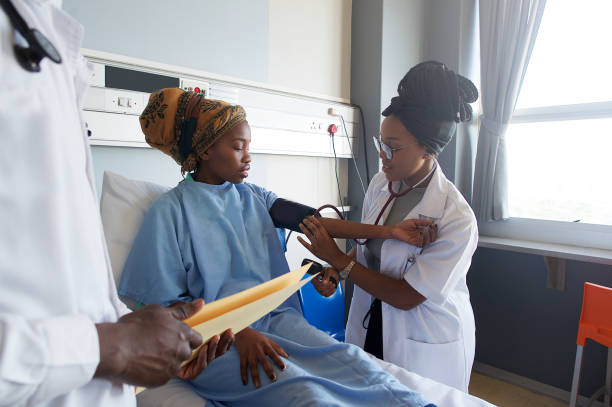
Because her body cannot repair DNA damage caused by UV exposure, Tanyaradzwa faces a heightened risk of skin and eye cancers, as well as progressive neurological decline. She has already endured more than 40 surgeries to remove tumours, many of them cancerous.
XP is an inherited condition from both parents, without a cure and the National Library of Medicine of the United States of America notes that affected individuals are thousands of times more likely to develop skin cancers than the general population, often before the age of 10, with its management relying on strict sun protection and repeated surgeries.
For Tanyaradzwa, the statistics are lived reality, with her latest surgery being in December last year to help her swallow after scar tissue from repeated procedures made eating difficult.
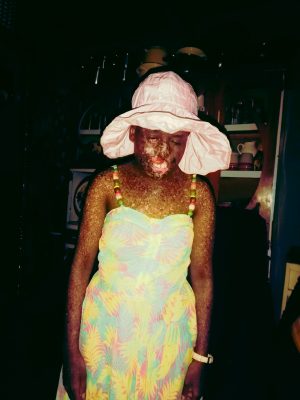
As her mother, Anna Masendeke (42), recalls: “She had her first operation when she was just one year old. When they reached 40, I stopped counting.”
The family’s ordeal began earlier as Tanyaradzwa’s older sister, Tinotenda, also had XP but was initially misdiagnosed as having eczema as the creams prescribed did nothing to ease her sores, and only later did a dermatologist identify the true condition.
By then, the damage was severe and Tinotenda underwent twelve operations before passing away before the age of five.
“I was young and used to get mad when nothing seemed to work. The hopelessness left me depressed, but I never gave up on the child,” Masendeke said, her voice breaking.
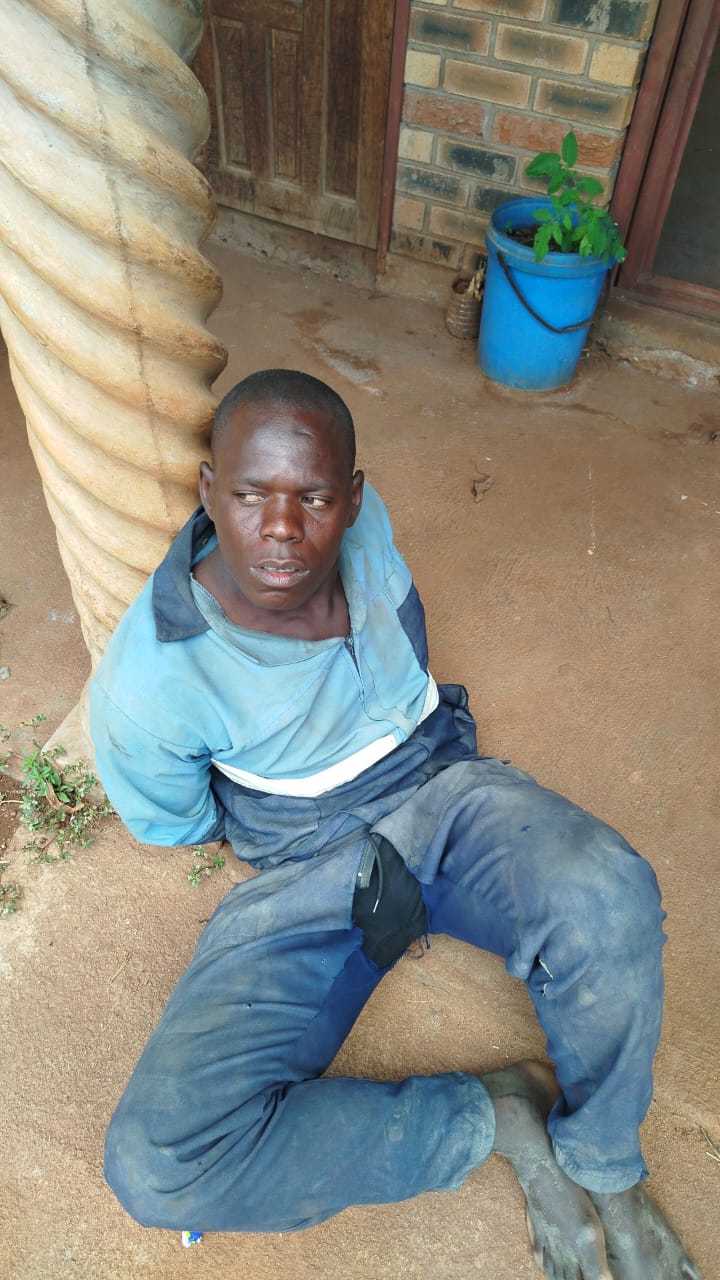
Today, Tanyaradzwa is almost blind, she reads braille, having studied at St Giles Medical Rehabilitation Centre in Harare, but her eyes are scarred because she cannot produce tears.
“What happens on her skin is the same thing that happens on her eyes,” her mother explains. The family hopes that a laptop with voice-recognition software could help her continue learning and connect with the world.
Children with XP are often called “children of the night” or “children of the dark” because daylight is dangerous for them. They live in reverse—indoors during the day, venturing outside only after sunset when UV radiation is less harmful.
For many, this means a childhood spent in shadows, with playtime and freedom confined to the night. But for Tanya and other children with XP in Zimbabwe, this life of protection is unattainable as they should often travel to schools, hospitals, and doctors’ appointments during the day, exposing them to the very sunlight that worsens their condition.
The burden extends beyond Tanyaradzwa as her siblings Stanford (14) and Ruvheneko (6) do not have the condition but face disrupted schooling as the family struggles to pay fees and most of the time their mother spends time in hospital with Tanyaradzwa
.
Her eldest brother Obriel (24) works as a security guard to support them, after their father abandoned the family two years ago.
Stigma compounds the hardship as Pauline Mapuvire, founder of the Xeroderma Pigmentosum Family Support group explains, that many Zimbabweans wrongly associate XP with witchcraft.
Mothers are sometimes pressured to admit to being witches or accused of infidelity, as relatives insist such conditions have never existed in their families and, under this social pressure, fathers often withdraw support or abandon their households altogether, leaving women to shoulder the burden alone.
Masendeke herself has faced rejection: “I tried to set up a market stall, but people refused to buy from me because of Tanya’s condition. They think it is contagious.”
The costs of care are crushing as Sunscreen alone costs $40–60 per month, alongside protective clothing, transport to hospitals, and medication.
Recently, Tanyaradzwa developed a lump in her breast and initial tests suggested it was benign, but a biopsy later revealed metastatic malignant melanoma—the cancer had spread.
Masendeke fears the worst: “I wish someone can assist because things are too much for me. I have no one to discuss with or tell my issues. All I want is for Tanya to get the help she needs and for her siblings to have a chance at education.”
XP is rare worldwide, with prevalence estimated at 1 in 1 000 00 in the United States and 1 in 40,000 in Japan. In Zimbabwe, Mapuvire’s organisation has documented 155 people living with the condition—mostly children aged 6 to 16, along with 4 adults in their 20s and 1 woman in her thirties, with others yet to be identified.
Despite these numbers, awareness remains low, and some children are denied education because schools do not understand the disorder. With consistent protection and care, however, individuals with XP can survive into middle age.
For the Masendeke family, survival is a daily struggle against disease, poverty, and stigma. Tanya’s dream of a laptop is modest, but it represents hope—a chance to reclaim a piece of the future that XP has tried to steal.
Masendeke’s words capture the weight of their struggle: “I just don’t want my daughter to suffer without help,” a cry for help that underscores the urgent need for awareness and support for families living with rare genetic conditions in Zimbabwe.
New Ziana