
Harare, (New Ziana) – Zimbabwe has taken a bold step towards reshaping its fiscal landscape to better serve women, small businesses, and marginalized communities, with calls for urgent reforms to make taxation and budgetary frameworks more inclusive.
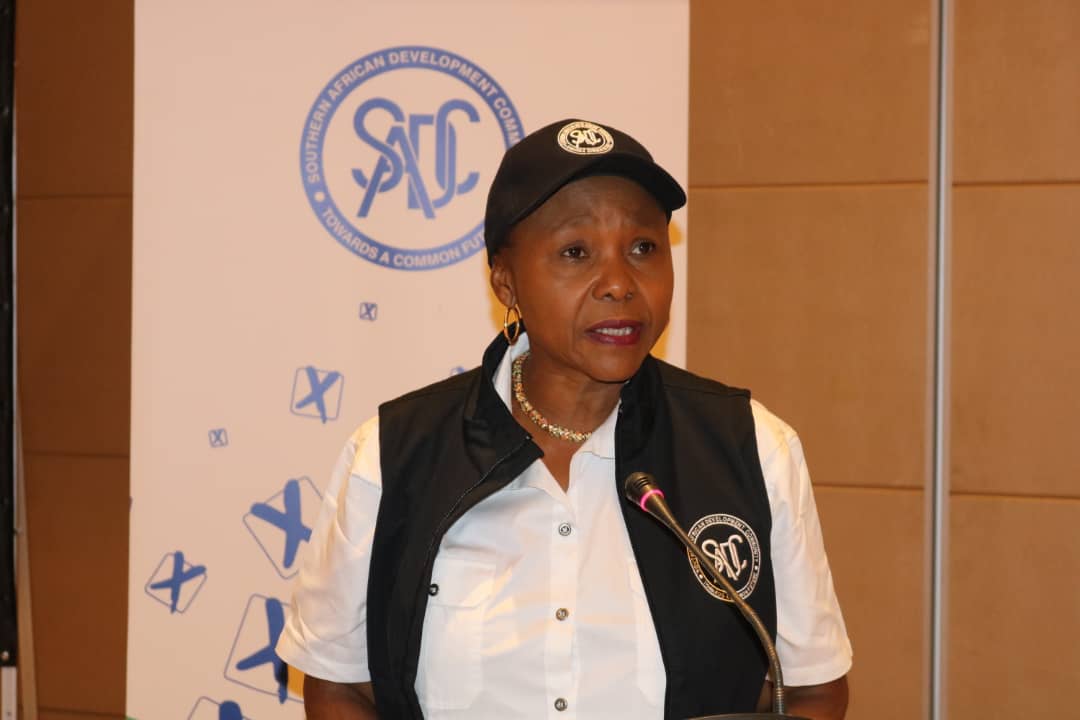
Speaking at the National Dialogue on “Making Fiscal Policy Work for Gender Equality” in Harare on Thursday, the Permanent Secretary for the Ministry of Women Affairs, Community, Small and Medium Enterprises Development, Dr. Mavis Sibanda, underscored the pressing need to transform economic structures so that no citizen is left behind in the country’s development journey.
Dr. Sibanda said the initiative, spearheaded under the Equanomics: Gender Equality and Fiscal Policy Project, had already gained momentum with its inaugural launch in Bulawayo during the Zimbabwe International Trade Fair and a subsequent provincial dialogue in Masvingo.
The Harare gathering, she said, reflects government’s determination to carry the conversation to national level and ensure that gender equality is integrated into fiscal reforms. “Achieving gender equality and the Sustainable Development Goals (SDGs) by 2030 requires substantive reforms in our current economic structures,” Dr. Sibanda said.
“While taxation and fiscal policies can perpetuate inequalities and reinforce traditional gender norms, they also hold the potential to be transformative tools for advancing gender equality and reshaping power dynamics within our society.”
She acknowledged that fiscal policies in their current form are not gender-responsive, often leaving women entrepreneurs — who make up the backbone of Zimbabwe’s economy — disadvantaged by complex regulations and tax regimes.
Many women-led SMEs, she said, and struggle to comply with the fiscal framework simply because policies are not simplified or tailored to their realities.
“There is need to streamline regulations and make it easy for women SMEs to understand fiscal policies and the tax framework. Once they understand, it becomes easier for them to comply,” she said, adding that women continue to shoulder the brunt of policies that do not adequately address gender disparities.
Dr. Sibanda painted a vision of a future Zimbabwe where fiscal policy becomes a tool of empowerment — one where budgets unlock opportunities for women entrepreneurs, fuel innovation and job creation among youth, deliver essential services such as clean water, healthcare, and quality education to rural communities, and ensure equitable access for persons with disabilities.
“Gender equality must never be relegated to a secondary concern. It is the very bedrock of sustainable development, the key that unlocks economic growth, and the bridge that ensures no one is left behind,” she said.
She also expressed gratitude to the United Nations Development Programme for its enduring partnership in advancing inclusive and sustainable development, as well as to stakeholders present for their continued commitment to gender equality.
The Harare dialogue marks another milestone in the country’s quest to achieve gender-responsive public finance, building on earlier engagements and inspiring action across all provinces.
New Ziana