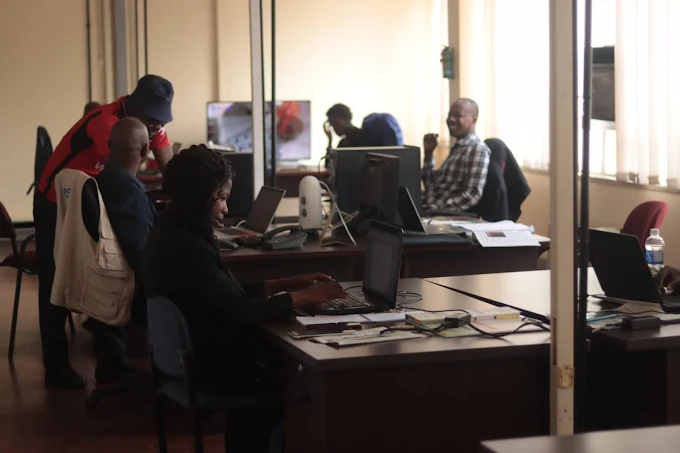
Kwekwe Poly drives entrepreneurship

Tongai Mashonga

KWEKWE Polytechnic College, which embraced the Education 5.0 philosophy, is now a beacon of innovation and entrepreneurship by fostering the development of new products, processes, and services.

In his presentation at the second National Development Strategy (NDS1) Business Seminar in Kwekwe recently, Simbarashe Matema, the Innovation and Business Development Division Coordinator, said the division’s approach emphasises nurturing a culture of entrepreneurship and practical solutions for industry and community.

This vision is clearly defined, with a focus on fostering innovation and entrepreneurship among students.

“We encourage students and staff to generate sustainable business ideas, utilise local resources, and turn them into viable goods and products. The polytechnic focuses on developing tangible solutions that address real-world problems in sectors vital to Zimbabwe’s economy.

“The division clearly states its vision “to spearhead innovation and industrialisation and grow entrepreneurship thinking and action in support of NDS1 and Vision 2030.”

The tertiary institution has made notable strides in innovation, with several awards to its name. These achievements are a testament to the college’s commitment to driving economic growth and development through innovation.

Kwekwe Polytechnic has come up with cost-effective artisanal mining hoists to address the needs of the small-scale mining sector, and gold concentrators for improving efficiency in gold extraction. Other products include spray race, sports wheel chair, food dyer, smart hybrid controlled traffic lights and silage maker.

The college’s success in developing functional prototypes and scooping national awards underscores its commitment to applied innovation and its competitive edge among its peers.

Matema cited innovation impact in Zimbabwe and its multifaceted benefits, including economic growth, industrialisation, job creation, entrepreneurship, import substitution, value addition, skills development and human capital growth.

“The innovation efforts of tertiary institutions are having a multifaceted impact on Zimbabwean society. Innovation has brought economic growth and industrialisation by fostering the development of new products, processes, and services.

“These innovations contribute directly to industrial growth and economic diversification. The emphasis on creating start-ups and commercialising intellectual property is leading to new businesses and employment opportunities for graduates as entrepreneurs,” he said.

The Business Development Division Coordinator added that locally developed solutions help reduce reliance on imports and enable the beneficiation of local raw materials, adding significant value within the country.

“There is also skills development and human capital where students gain hands-on experience on practical projects, equipping them with the relevant skills needed for the rapidly evolving job market and for becoming job creators themselves.

Despite the progress made, innovation in Zimbabwe faces challenges, including resource constraints and inadequate infrastructure.

“Despite the promising progress, we have challenges with a lack of funding for research and development, limited technology resources, brain drain as the departure of skilled professionals and academics impacts the capacity of innovation, and resistance to change where the shifting from traditional educational models can encounter resistance. Organisational structures and policies affect innovation,” he said.

However, Matema remains optimistic about the opportunities and prospects in Zimbabwe’s tertiary sector.  He said there is potential for collaboration between industry, academia, and government to drive innovation and technology transfer.

“There are opportunities if we have increased collaborations, thus bringing stronger partnerships between tertiary institutions, industry, and government are vital for effective knowledge transfer and commercialisation.

“If we have sustainable policy support with continued government commitment to Education 5.0 and financial support through initiatives like the Innovation and Industrialisation Fund. We need global partners and leveraging on local resources,” said Matema.

Read Previous

Where Courage Sleeps: Unearthing the Forgotten Heroes of Zimbabwe

Read Next

Zimbabwe harnesses solar energy to power rural agriculture

Most Popular