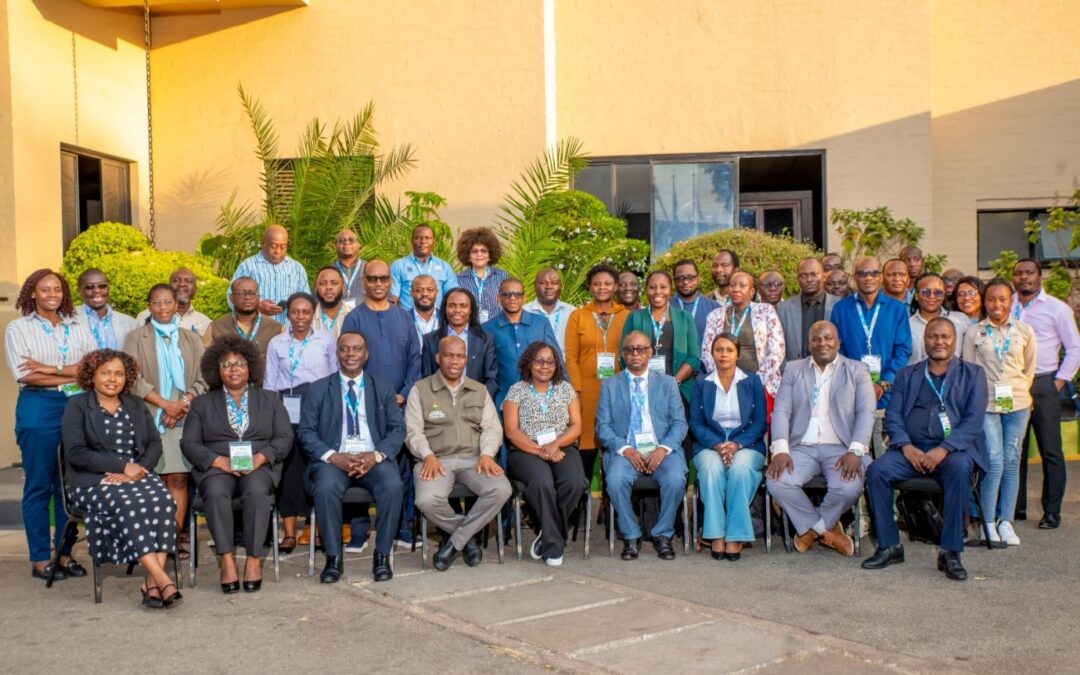
BEITBRIDGE – Twenty-nine persons with disabilities from across Matabeleland South Province have successfully graduated with basic digital skills following an intensive five-day training programme jointly organized by the Postal and Telecommunications Regulatory Authority of Zimbabwe (POTRAZ) and Nkomwa Foundation Trust (NFT). The initiative represents another significant milestone in Zimbabwe’s efforts to promote digital inclusion and ensure that persons with disabilities are fully equipped to participate in the country’s rapidly growing digital economy.
The training programme, held in Beitbridge from 20 to 24 July 2026, brought together participants from the districts of Beitbridge, Gwanda, Bulilima, Insiza and Umzingwane. During the programme, participants acquired practical information and communication technology (ICT) skills, including basic computer operations, internet navigation, email communication, online safety, digital productivity tools and access to e-government services.
The initiative was designed to bridge the digital divide by equipping persons with disabilities with the knowledge and confidence required to access educational opportunities, employment, entrepreneurship, financial services and online information. As Zimbabwe continues to embrace digital transformation, such skills have become essential for meaningful participation in both social and economic life.
Addressing graduates during the certification ceremony, POTRAZ Director General Dr. Gift Machengete, whose speech was delivered by Deputy Director General Mr. Tichafa Mujuru, emphasized that digital inclusion remains a key pillar of Zimbabwe’s national development agenda.
“This training workshop is not simply about learning how to operate a computer or navigate the internet. It is about empowerment, independence, inclusion and meaningful participation. We are equipping persons with disabilities with the tools they need to compete, innovate and contribute to national development in the digital era,” Dr. Machengete said.
He noted that the 29 graduates join hundreds of beneficiaries who have already benefited from POTRAZ’s nationwide digital literacy programme. To date, the authority has trained 769 persons with disabilities in both basic and advanced ICT skills through 22 beneficiary institutions, with 131 participants trained during 2026 alone.
Dr. Machengete further highlighted POTRAZ’s broader commitment to digital accessibility beyond training programmes. He revealed that the authority has distributed 857 computers to 94 institutions serving persons with disabilities across Zimbabwe while supporting internet connectivity for special schools, vocational training centres, rehabilitation facilities and disability-focused organisations.
He stressed that inclusive digital development requires more than infrastructure, calling for a change in societal attitudes towards disability.
“Disability must never be viewed as inability. Persons with disabilities possess talent, creativity, experience and ambition. What is often required is the removal of barriers and the creation of equal opportunities for them to realize their full potential,” he said.
He encouraged graduates to become ambassadors of digital inclusion by sharing the knowledge and skills they had acquired with others in their communities while promoting responsible, ethical and safe use of digital technologies.
Dr. Machengete also commended Nkomwa Foundation Trust for successfully mobilising participants from across Matabeleland South Province, describing the programme as a shining example of the impact that can be achieved through strategic partnerships between POTRAZ, the Internet Society Zimbabwe Chapter, disability organisations and local communities.
Speaking at the graduation ceremony, Nkomwa Foundation Trust Executive Director, Dr. Pick Nkomwa, described the training as a transformative investment in human capital that aligns with Zimbabwe’s Vision 2030 aspirations of building an inclusive, knowledge-driven and digitally empowered society.
“This training is much more than the awarding of certificates. It represents hope, opportunity and empowerment. In today’s world, digital literacy is no longer optional—it is essential for accessing education, employment, entrepreneurship, information, communication and government services. By equipping persons with disabilities with these skills, we are creating pathways towards greater independence and economic participation,” he said.
Dr. Nkomwa expressed gratitude to POTRAZ for its continued commitment to promoting digital inclusion and ensuring that persons with disabilities are not left behind in Zimbabwe’s technological advancement.
He said the programme demonstrates that empowering persons with disabilities is not an act of charity but a strategic investment in national development.
“When persons with disabilities are equipped with digital skills, they become innovators, entrepreneurs, employees, leaders and active contributors to their communities. An inclusive digital society benefits everyone and accelerates sustainable national development,” he said.
He urged graduates to continuously build on the skills they had acquired by embracing lifelong learning, exploring online opportunities and using technology to improve their livelihoods and serve their communities.
The training programme was facilitated by experts from the Internet Society Zimbabwe Chapter, who provided practical instruction and mentorship throughout the five-day course. Their involvement strengthened collaborative efforts to bridge the digital divide and promote equitable access to technology among persons with disabilities.
The successful completion of the programme reinforces the growing partnership between POTRAZ, Nkomwa Foundation Trust and the Internet Society Zimbabwe Chapter in advancing digital inclusion across Zimbabwe. As digital technologies increasingly shape education, employment, healthcare, governance and commerce, initiatives of this nature are ensuring that persons with disabilities are empowered with the skills needed to participate fully in the country’s socio-economic development and that no one is left behind in Zimbabwe’s digital transformation journey.