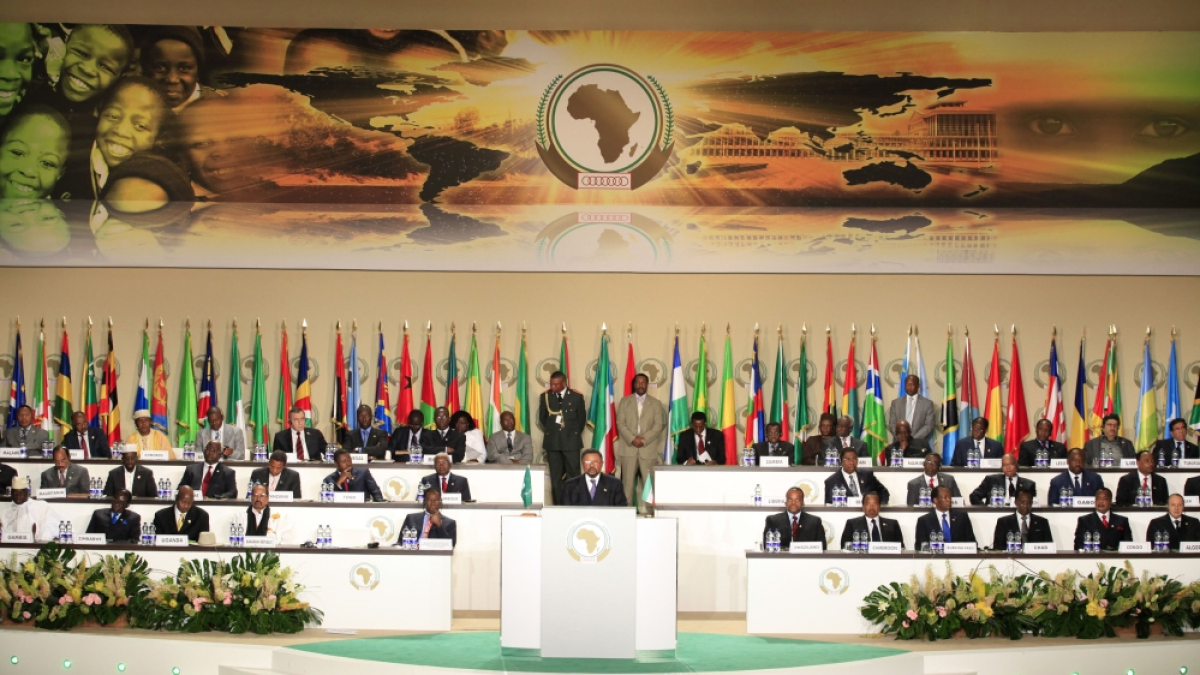
Harare, (New Ziana) — The African Union Commission has issued a measured but firm response to a US travel ban imposed this week on some of its member countries, calling for a more balanced and consultative approach that reflects the longstanding ties between the two regions.
Earlier this week, Washington imposed a sweeping travel ban to the United States for citizens from several countries in the world, including Africa, citing security concerns.
Among African countries affected by the ban are Libya, Eritrea, Chad, Sudan and Somalia.
In a statement, the African Union Commission acknowledged the United States’ sovereign right to protect its borders and safeguard its citizens, but raised concerns about the broader implications of the newly issued travel proclamation, which includes several African countries among the affected nations.
“While recognising the sovereign right of all nations to protect their borders and ensure the security of their citizens, the African Union Commission respectfully appeals to the United States to exercise this right in a manner that is balanced, evidence-based, and reflective of the long-standing partnership between the United States and Africa,” said the statement.
The AU Commission warned that such measures could disrupt years of progress in US-Africa relations, particularly in areas of educational exchange, trade and diplomacy.
“The Commission remains concerned about the potential negative impact of such measures on people-to-people ties, educational exchange, commercial engagement, and the broader diplomatic relations that have been carefully nurtured over decades,” said the statement.
Emphasizing mutual interests in global stability, prosperity, and cooperation, the AU urged Washington to consider a more inclusive and transparent process and called for direct engagement with the affected nations and a commitment to address any underlying issues through dialogue and collaboration.
In a move signaling its willingness to be part of the solution, the Commission reaffirmed its commitment to supporting efforts aimed at fostering understanding and strengthening ties.
“The Commission stands ready to support efforts that promote understanding, resolve concerns, and strengthen cooperation between Africa and the United States.”
Observers note that the AU’s response reflects a careful balance between diplomatic restraint and advocacy for African interests.
With rising global tensions and shifting geopolitical dynamics, the African Union appears keen to preserve its strategic partnership with the United States while asserting the continent’s growing voice on the global stage.
As the international community awaits further clarification from Washington, the AU’s appeal is likely to resonate with global stakeholders invested in maintaining open and constructive international engagement.
New Ziana