Bulawayo, (New Ziana)-The Zimbabwe government is crafting a national media and information literacy policy, as part of broader initiatives to counter misinformation.
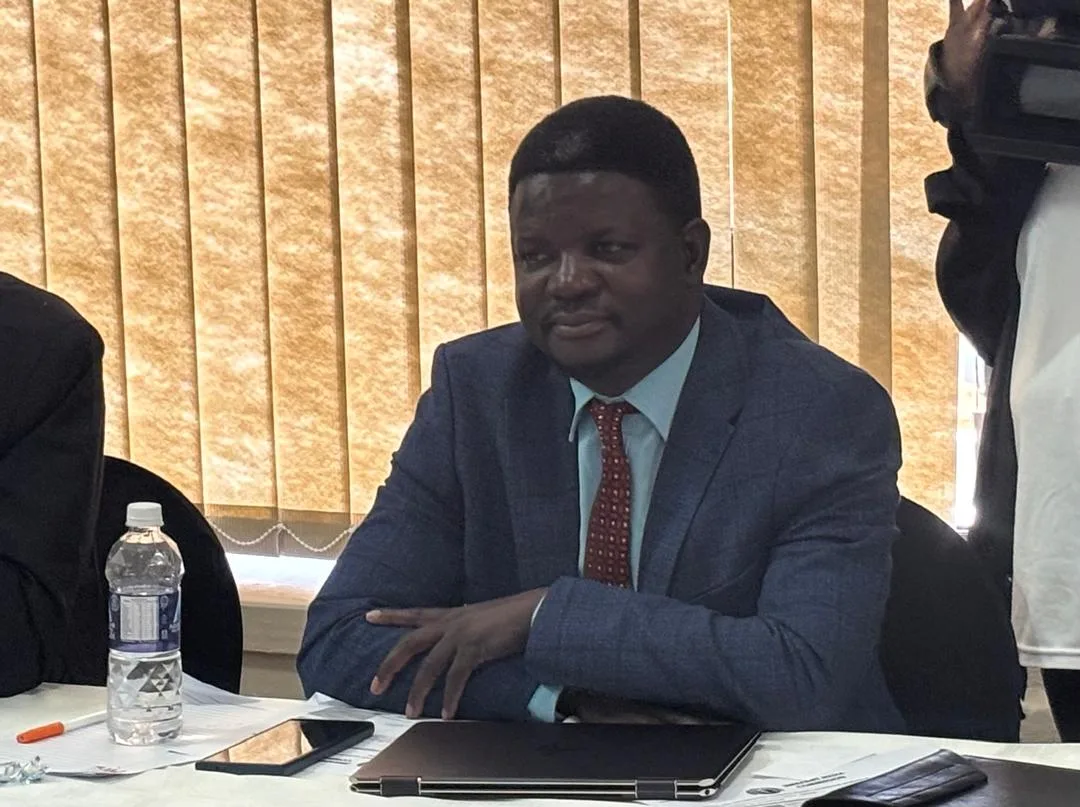
Chief director responsible for government messaging and programs in the Ministry of Information, Publicity and Broadcasting Services Jonathan Gandari said this on Tuesday while addressing delegates attending a two day Media and Information Literacy Policy Validation Workshop which the Zimbabwe Media Commission(ZMC) convened in Bulawayo.
“There is an urgent need for a media literate society. It is our drive for a collective effort to construct an informed, responsible and critically engaged system,” he said.
Gandari linked the initiative directly to the National Development Strategies (NDS 1 and NDS 2), which aim to transform Zimbabwe into an upper middle-income economy by 2030, highlighting that developing a well-informed citizenry is crucial for achieving the vision.
He said a knowledgeable society will be responsible for creating a vibrant economy. warning that without broad-based information literacy, economic transformation will be unattainable.
Zimbabwe’s media literacy drive aligns with its participation in the African Peer Review Mechanism under the Organisation of African Unity, which is currently focused on economic development.
“So, this is in line with our Vision 2030. Zimbabwe is open for business, in line with the President’s philosophy of building this country with our own hands, step by step. Brick by brick, stone upon stone,” Gandari added.
He stressed that the digital and media environment, shaped by the Fourth Industrial Revolution, requires citizens who can think critically and navigate disinformation.
“The technology that we have in the fourth industrial revolution requires a citizen, a new character, who is critical in thinking, who clicks wisely, who is able to see through misinformation, disinformation, lies, hate, propaganda,” he said.
Gandari highlighted the growing threat of media-driven exploitation, citing human trafficking and youth recruitment scams as examples of how misinformation can have dire real-world consequences.
He warned that vulnerable groups such as students, job seekers, and patients are at particular risk when lacking the ability to verify the authenticity of information.
Gandari, however, urged stakeholders to give serious thought to what should be included in the forthcoming media literacy policy, noting that the United Nations Educational, Scientific and Cultural Organization, (UNESCO) has already issued guidelines that could help inform the framework.
New Ziana