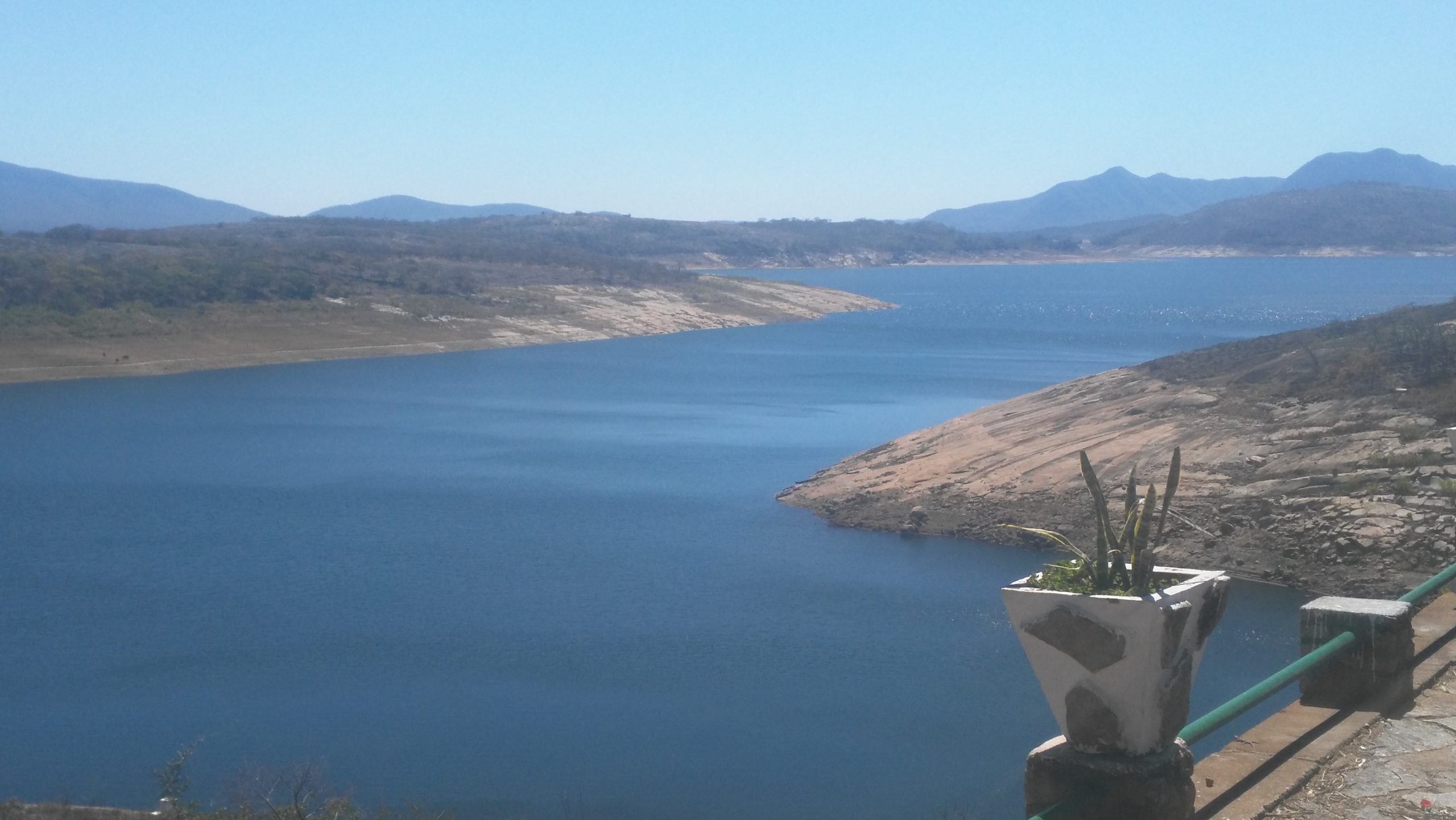
Harare, (New Ziana) -The water security outlook in Zimbabwe has received a major boost midway through the 2025/26 rainy season, with national dam levels rising to an impressive average of 90.2 percent as of Wednesday this week.
The latest update from the Zimbabwe National Water Authority (ZINWA) points to a season of sustained inflows that has left most major water bodies full and spilling, significantly strengthening the country’s capacity to meet domestic, industrial and irrigation water needs.
In a statement on Friday, ZINWA head of corporate communications and marketing, Marjorie Munyonga, said the positive trend reflects the favourable performance of the current rainy season, which is now entering its second half.
“The country’s water security position continues on a remarkably positive note as the current rainy season enters its second half. As of January 28, 2026, the national dam level average had risen to 90.2 percent,” she said.
She said the current situation places the country in a better stead to meet both domestic and irrigation water requirements for the year, a development expected to support food security, urban water supplies and economic activity across sectors that depend heavily on reliable water availability.
Masvingo province is emerging as a key beneficiary of the improved hydrological conditions, with the country’s two largest water bodies—Tugwi-Mukosi Dam and Lake Mutirikwi, now full and spilling.
“Most major dams are now full and spilling and these include the country’s top two water bodies, Tugwi-Mukosi and Lake Mutirikwi, both in Masvingo province,” said Munyonga.
The number of dams that have reached capacity continues to increase, signaling widespread catchment recovery following steady rainfall.
Of particular significance to urban water supply, Mtshabezi Dam, a critical source for Bulawayo, has also filled up and is spilling, bringing renewed relief to a city that has historically faced acute water shortages, while several other strategic dams across the country have likewise reached full capacity.
These include Muzhwi, Khami, Silalabihwa, Exchange, Pollards, Ngwenya, Rusape, Masembura, Arcadia, Bubi-Lupane, Seke, Harava, Amapongokwe, Antelope, Bangala, Tokwane, Mushandike and Gwenoro, underscoring the nationwide impact of the favourable rainfall season.
While welcoming the positive developments, ZINWA continues to encourage responsible water use to ensure sustainability beyond the current season.
It says the strong dam levels provide a solid buffer, but prudent management remains key to securing long-term water resilience in the face of climate variability.
With most major reservoirs now full and spilling, Zimbabwe enters the remainder of the rainy season with renewed confidence, well positioned to support agriculture, industry and household water needs throughout 2026.
New Ziana