Harare, (New Ziana) — Zimbabwe has called for urgent, coordinated action to transform Africa’s water and sanitation sector, as regional leaders and experts convene for a high-level three-day engagement aimed at shaping the continent’s long-term water security agenda.
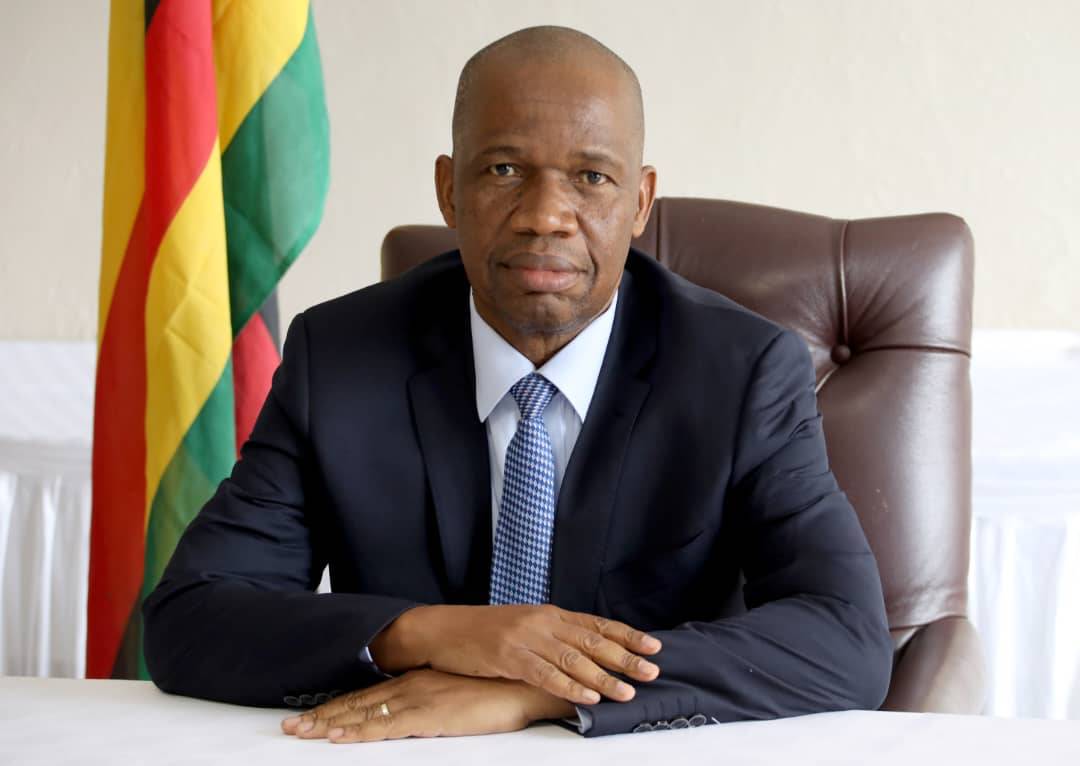
Speaking at the opening of the meeting, Chief Director in the Ministry of Agriculture, Mechanisation and Water Development, Engineer Tinashe Mutazu said the gathering marked a critical moment for the region’s development trajectory.
“This is not a routine gathering. It is a strategic platform to fix challenges and decisively shape the trajectory of Africa’s water future,” he said.
The meeting is focused on reviewing and refining the First Implementation Plan (2026–2033) of the African Water Vision, a continental framework designed to ensure water security and climate resilience while achieving universal access to safe sanitation.
“Our responsibility is crystal clear. We must convert ambition into execution. We must move from vision to measurable outcomes,” Mutazu said.
The engagement is anchored in the African Union’s development agenda, which prioritises water and sanitation as central pillars of Africa’s socio-economic transformation.
This focus is not merely symbolic, but a directive requiring concrete progress within defined timelines.
“The question before us is not whether we support the vision, but whether we are prepared to operationalise it with the urgency, discipline and commitment required,” Mutazu said.
He acknowledged that the region faces significant and growing challenges, including climate change impacts such as droughts and floods, which are increasingly becoming central in planning.
The management of shared transboundary water systems, said Mutazu also remains a complex issue, requiring stronger cooperation and governance frameworks among countries.
In addition, persistent gaps in infrastructure, financing and institutional capacity continue to hinder effective service delivery across many African nations, he said.
Despite these challenges, the meeting highlighted emerging opportunities. These include strengthened regional cooperation mechanisms, growing investment in climate resilience, and advances in data systems and innovation that could accelerate progress.
“The implementation plan must reflect both the depth of our challenges and the scale of our opportunities,” Mutazu said.
The outcomes of the meeting are expected to inform a more robust and actionable roadmap for achieving water security and sustainable sanitation across the continent, in line with Africa’s long-term development goals.
New Ziana