Staff Reporter
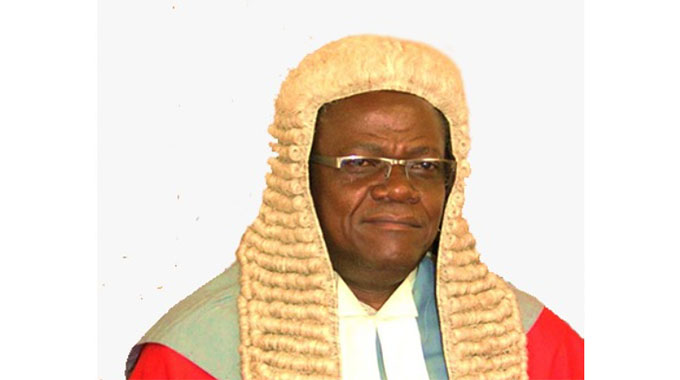
HARARE – A 23-year-old man who allegedly posed as newly appointed Deputy Chief Justice Paddington Garwe in an attempt to obtain confidential recruitment information from the Judicial Service Commission (JSC) has appeared in court facing fraud-related charges.
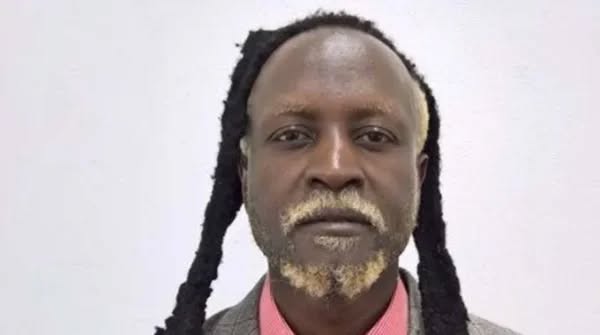
Martin Rashai was brought before Harare magistrate Artwell Sanyatwe after investigators linked him to a series of WhatsApp messages sent to JSC human resources officials while pretending to be the senior judge.
According to court papers, the alleged impersonation took place in early May when Rashai reportedly contacted JSC human resources personnel seeking details about ongoing recruitment processes, including interviews for information technology positions and a vacancy for a transport officer at Kwekwe Magistrates’ Court.
The messages immediately aroused suspicion among officials, who found it unusual for a senior Constitutional Court judge to make direct inquiries about junior vacancies through informal communication channels.
One of the officials initially responded to the messages, believing they had originated from Deputy Chief Justice Garwe. However, doubts emerged after attempts to verify the number failed and the sender allegedly insisted on communicating exclusively through text messages.
The matter was escalated internally, prompting checks against official records. Investigators reportedly discovered that the phone number used in the communications did not belong to Deputy Chief Justice Garwe.
Further investigations allegedly connected the number to Rashai, who had previously applied for employment opportunities within the JSC. Police later tracked him down in Hurungwe and arrested him after obtaining subscriber information from the mobile network operator.
Authorities say the SIM card used in the alleged scheme was registered in Rashai’s name, strengthening the case against him.
The case has sparked concerns over attempts to manipulate recruitment processes within public institutions and the growing use of digital platforms for impersonation scams.
Legal experts say the matter highlights the importance of verifying identities before sharing sensitive information, particularly as government departments increasingly rely on electronic communication.
The prosecution is expected to argue that Rashai deliberately misrepresented himself as a senior judicial officer to gain access to information that would ordinarily not have been available to him.
Rashai was remanded in custody pending a bail application, with investigations continuing to establish whether he acted alone or was part of a wider network targeting public institutions.
The incident comes at a time when authorities have been intensifying efforts to combat cases involving the impersonation of government officials, law enforcement officers and anti-corruption investigators, offences that have become increasingly common in recent years.