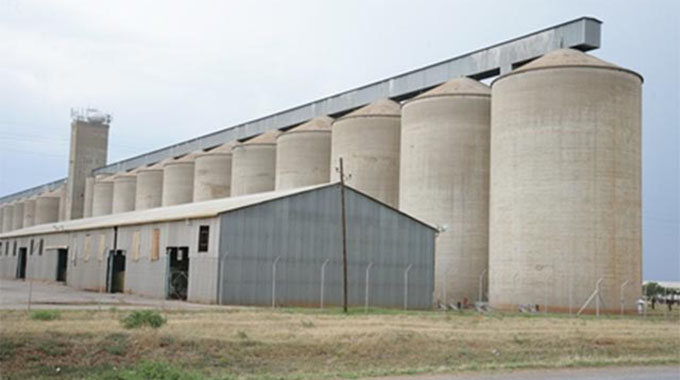
Harare, (New Ziana) — The Indigenous Grain Millers Association of Zimbabwe (IGMAZ) has thrown its weight behind the import regulations under Statutory Instrument 87 of 2025, arguing that the policy is critical for safeguarding local farmers and strengthening food security.
In a statement on Thursday, IGMAZ dismissed opposition to the SI as driven by narrow commercial interests, adding the policy supports the long-term economic and agricultural development agenda of the country.
The regulations require food processors to source at least 40 percent of their grain and oilseed requirements locally, with the threshold expected to rise to 100 percent by 2028.
Processors are also required to contribute to the Agricultural Revolving Fund, which supports farmer development and agricultural infrastructure projects.
IGMAZ chairman Tinashe Chiname said the policy was already delivering tangible benefits through investments in irrigation development and climate-resilient agricultural infrastructure.
“This is a clear demonstration that the policy is not merely about revenue collection, but contributing towards building long-term national productive capacity,” he said.
He argued that continued reliance on imported grain undermines local agriculture and industrial growth while draining the country’s foreign currency reserves.
“Zimbabwe cannot continue bleeding billions in foreign currency importing products and raw materials that can be produced locally. This trajectory is economically unsustainable and strategically unviable,” he said.
Chiname said indigenous millers process more than 900 000 metric tons of maize and 300 000 metric tons of traditional grains annually, supporting rural households and small-scale milling enterprises across the country.
He warned that flooding the domestic market with cheap imports would weaken local farmers and reverse the gains of the Land Reform Program.
Chinamwe called on the government to remain steadfast in defending local production and promoting industrialisation in line with the National Development Strategy and the vision to attain upper middle income status by 2030.
“The future of Zimbabwe lies in production, value addition and self-sufficiency, not permanent dependence on imports,” he said, adding the IMAZ is committed to continue working with the government and other stakeholders to build a competitive and innovative grain milling industry capable of contributing meaningfully to national development.
New Ziana