
By Zachary Gava in Masvingo
Masvingo , (New Ziana) – The Federation of Organisations of Disabled People in Zimbabwe (FODPZ) has called for the enactment and strengthening of disability-specific legislation to ensure that persons with disabilities are fully protected and included in all aspects of national development.
Addressing delegates at the Zimbabwe National Disability Expo in Masvingo on Thursday, FODPZ Lead Disability Inclusion Specialist and National Coordinator, Elisa Ravengai, said broad and general laws were often inadequate in addressing the unique challenges faced by persons with disabilities.
Ravengai revealed that FODPZ is implementing a project known as “Rights in Action”, which seeks to promote the development and implementation of laws and policies that explicitly advance disability inclusion.
“We are implementing the Rights in Action project because we believe that disability inclusion should not be left to interpretation under broad umbrella legislation. Laws must directly speak to disability rights and inclusion so that there is no ambiguity when it comes to implementation,” she said.
The project is being implemented in partnership with the Zimbabwe National Association for Mental Health (ZIMNAMH) with financial support from CBM Global, while the Ministry of Public Service, Labour and Social Welfare is playing a key role in advancing the initiative.
Ravengai said the involvement of Government and development partners demonstrated a collective commitment to ensuring that persons with disabilities enjoy equal rights and opportunities.
“We are working closely with Government, particularly the Ministry of Public Service, Labour and Social Welfare, because meaningful inclusion requires collaboration. It is not the responsibility of one organisation but of society as a whole,” she said.
She noted that although the country has made significant strides in promoting disability inclusion, gaps still exist in several sectors where specific legal provisions are required to guarantee accessibility, participation and equal opportunities.
“There are still many areas that require explicit legal protection. We need laws that clearly address accessibility in public infrastructure, inclusive education, employment opportunities, access to information, healthcare services, political participation and access to justice for persons with disabilities,” said Ravengai.
She added that disability-inclusive legislation should move beyond recognition of rights and focus on practical enforcement mechanisms.
“It is not enough to simply acknowledge that persons with disabilities have rights. Those rights must be enforceable, measurable and supported by institutions that can hold duty-bearers accountable. Inclusion becomes meaningful when it is reflected in everyday experiences and public services,” she said.
Ravengai urged policymakers, civil society organisations and the private sector to mainstream disability considerations into all legislation and development programmes.
“When disability inclusion is embedded in laws and policies, we create a society where everyone can contribute their talents and participate fully in national development. Disability inclusion is not charity; it is a matter of human rights, social justice and sustainable development,” she said.
This year’s Zimbabwe National Disability Expo is being held at Mucheke Stadium under the theme, “Embracing Disability Inclusion in all Sectors: A Master Stroke for National Prosperity and Economic Development.”
The three-day expo, which runs from June 24 to 26, brings together Government ministries, organisations of persons with disabilities, civil society groups, development partners and exhibitors from Zimbabwe and abroad to showcase innovations, share best practices and advance the disability inclusion agenda.
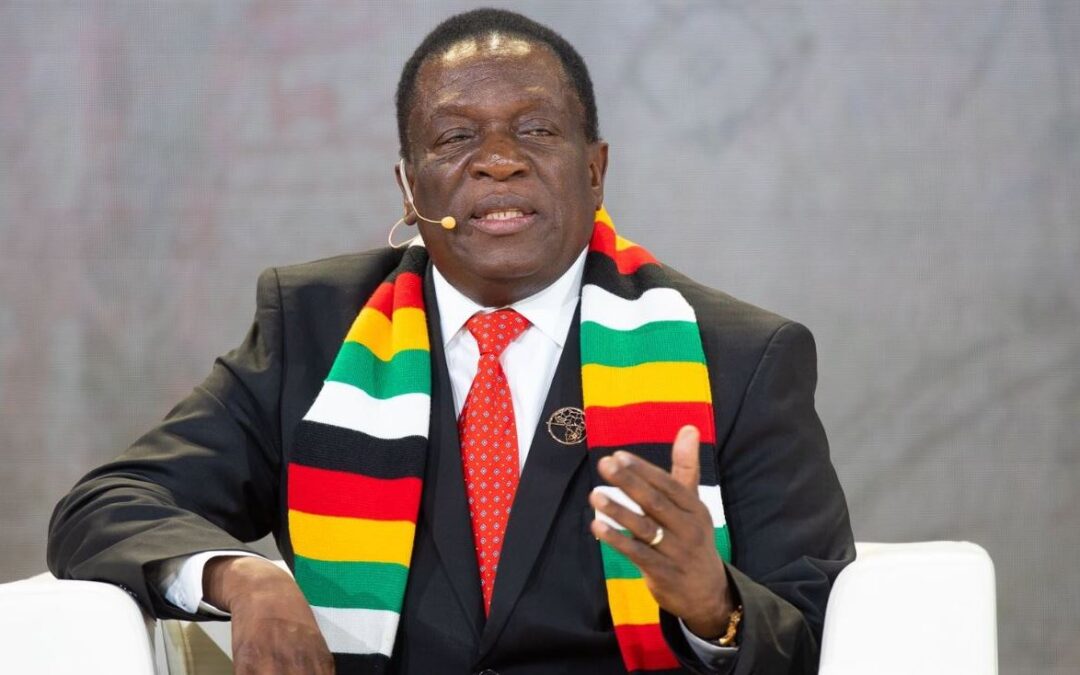
President Emmerson Mnangagwa is expected to officiate at the closing ceremony on Friday as Government continues to champion the empowerment and participation of persons with disabilities in national development.
New Ziana