
Staff Reporter
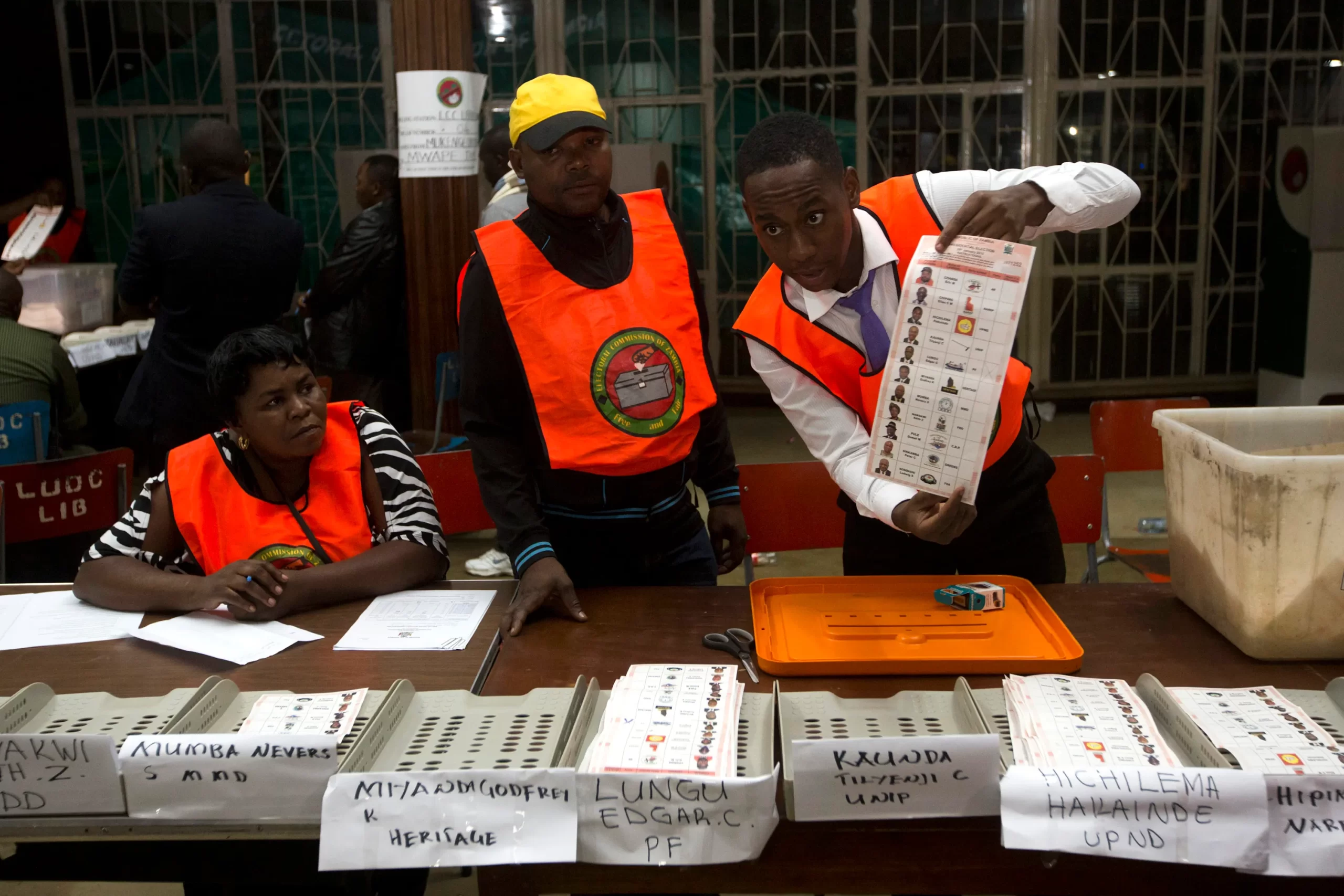
LUSAKA – Zambia’s Electoral Commission has confirmed 14 candidates will contest the country’s Presidential election scheduled for August 13, setting the stage for a highly competitive race in which incumbent President Hakainde Hichilema is seeking a second five-year term.
The Electoral Commission of Zambia (ECZ) announced that all 14 candidates successfully met the nomination requirements following the submission process that ran from May 18 to June 29. Polling stations across the country will open from 6am to 6pm on election day.
President Hichilema, representing the United Party for National Development (UPND), will once again run alongside Vice-President Mutale Nalumango as his running mate.
The opposition enters the election divided among several candidates, including Brian Mundubile, representing the Tonse Alliance through the National Reconciliation Party for Unity and Prosperity, Fred M’membe, Harry Kalaba, and Kelvin Fube Bwalya, popularly known as KBF.
Also cleared to contest are Given Chansa, Xavier Chungu, Howard Kunda, Brian Mushimba, Ackim Njobvu, Daniel Pule, Richwell Siamunene, Richard Silumbe and independent candidate Given Katuta.
Political analysts say the large number of opposition candidates could split the anti-government vote, potentially strengthening Hichilema’s prospects of securing victory in the first round. Recent opinion polls have suggested the incumbent enjoys support above the 50 percent threshold required to avoid a runoff.
The 2026 election will also be the first to be held under Zambia’s newly redrawn constituency boundaries, which increased the number of constituencies by 70. The changes have been criticised by opposition parties, who accuse the Government of manipulating electoral boundaries to benefit UPND strongholds. The ruling party has rejected the allegations, maintaining that the delimitation exercise was carried out in line with constitutional requirements.
The August vote is expected to be closely watched across the region as Zambians head to the polls to choose their next president and shape the country’s political direction for the next five years.