Bulawayo (New Ziana) – The Bulawayo City Council (BCC) has stepped up efforts to decongest some of its oldest housing flats, saying overcrowding and ageing infrastructure have created conditions that pose serious public health risks.
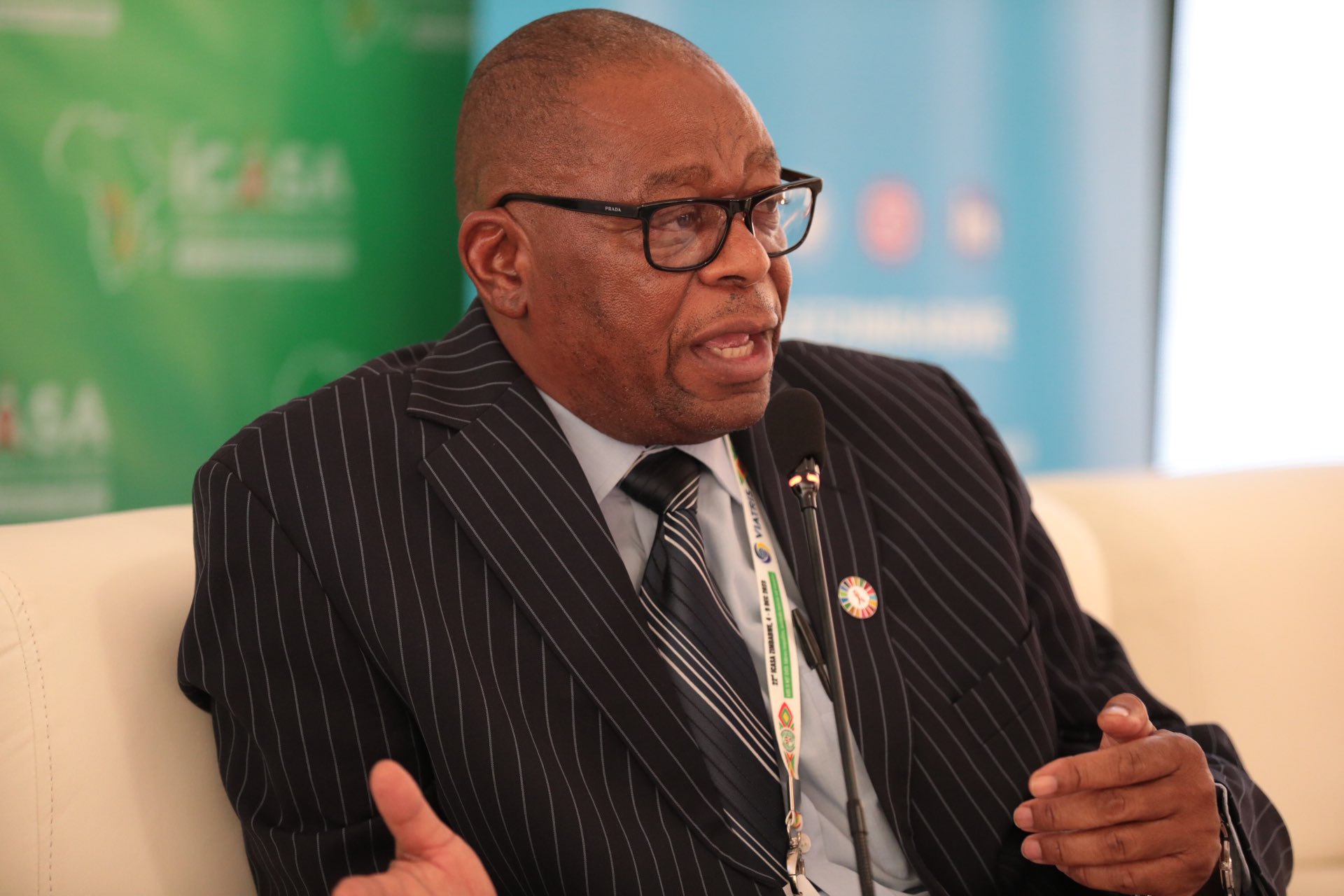
In an interview, assistant director for housing and community services, Zakeu Sibanda, said the local authority was implementing long-term plans to relocate residents from dilapidated flats while refurbishing others that remain occupied.
He said council’s priority was the decommissioning of the Sidojiwe flats, which were constructed in 1954 as bachelor accommodation for industrial workers but are now occupied by families.
“Sidojiwe is one of our social housing projects that was built in the early 1950s specifically for bachelors working in industry.
“Over time, those bachelors brought in their families and the area became heavily congested, creating immense pressure on infrastructure,” he said.
Sibanda said the BCC resolved in the early 2000s to gradually decommission the flats after congestion became unmanageable.
“There are 159 units spread across three blocks. Through Public Sector Investment Program (PSIP) funding, council constructed 167 housing units under the Millennium Housing Project in Mkhandwe, allowing some residents to relocate from Sidojiwe. However, not everyone could be accommodated and some families remained behind,” he explained.
He said progress towards completing the relocation program had been slowed by inadequate funding, although construction had resumed.
“As we speak, we are on the ground constructing 25 housing units in Mkhandwe where we intend to relocate the remaining residents before completely decommissioning Sidojiwe. There is a council resolution to that effect, but progress on the remaining 63 serviced stands has been slowed by funding constraints,” he said.
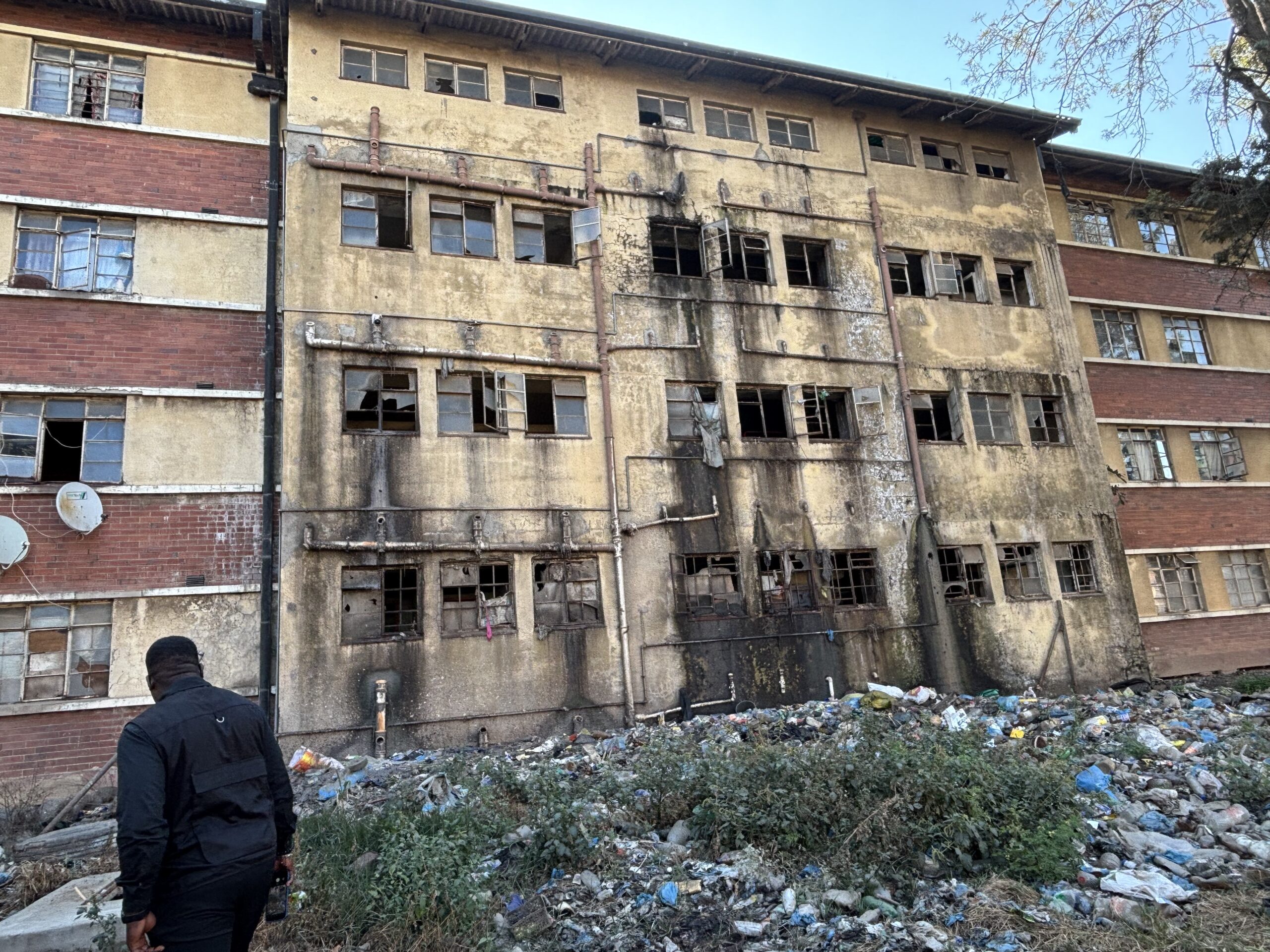
Sibanda described the current state of Sidojiwe as worrying, saying the ageing infrastructure was no longer suitable for the population living there.
“Sidojiwe is really in a state of disrepair. It was never designed to accommodate families, yet that is what it has become. The congestion has placed enormous pressure on the sewer and water systems, creating conditions that may become a health hazard if left unchecked,” he warned.
He said despite financial challenges, the council continued carrying out routine maintenance and worked closely with residents through established community committees to maintain cleanliness.
“We undertake general maintenance using the resources available and regularly engage residents to ensure the environment remains as clean as possible. Rentals are heavily subsidised, with tenants sharing units paying US$6 each per month, while those occupying units individually pay US$12,” he said.
Sibanda added that residents who could afford alternative accommodation had been encouraged to take up residential stands offered by the council, including in Cowdray Park, to ease congestion, adding Burombo Flats faced similar challenges of overcrowding.
“Burombo was also constructed in 1954 for bachelors and has 159 housing units. Today, instead of accommodating around 159 occupants, we estimate that close to 1 000 people now live there.
He said to address the situation, the council plans to refurbish the flats in phases while temporarily relocating affected residents within the complex.
“We intend to refurbish the blocks in stages. The major focus is repairing the toilet facilities. We have already purchased most of the required materials and will move residents in batches while refurbishment work is underway,” he said.
Sibanda said vandalism had compounded infrastructure deterioration, although the council continued engaging residents through local committees to improve the living environment.
He also outlined ongoing efforts to upgrade houses at Minyela-Mabutweni, another ageing council housing scheme originally designed for single occupants, where council had embarked on a long-term program to convert communal facilities into individual household sanitation systems to facilitate home ownership.
“We have already upgraded about 400 units out of more than 2 000. The project involves reducing occupancy levels while providing individual toilets to improve living standards and pave the way for home ownership.
“Progress, however, remains slow because of funding limitations,” Sibanda said.
Just like in Mbare in Harare, the oldest municipal flats in Bulawayo were constructed decades ago to cater for migrant industrial workers, but rapid urbanisation, population growth and housing shortages have transformed them into densely populated family settlements.
New Ziana