Staff Reporter
HARARE – Government has reaffirmed its commitment to creating a business-friendly environment for micro, small and medium enterprises (MSMEs) and cooperatives through sweeping Ease of Doing Business reforms aimed at reducing the cost of doing business, simplifying licensing procedures and promoting formalisation.
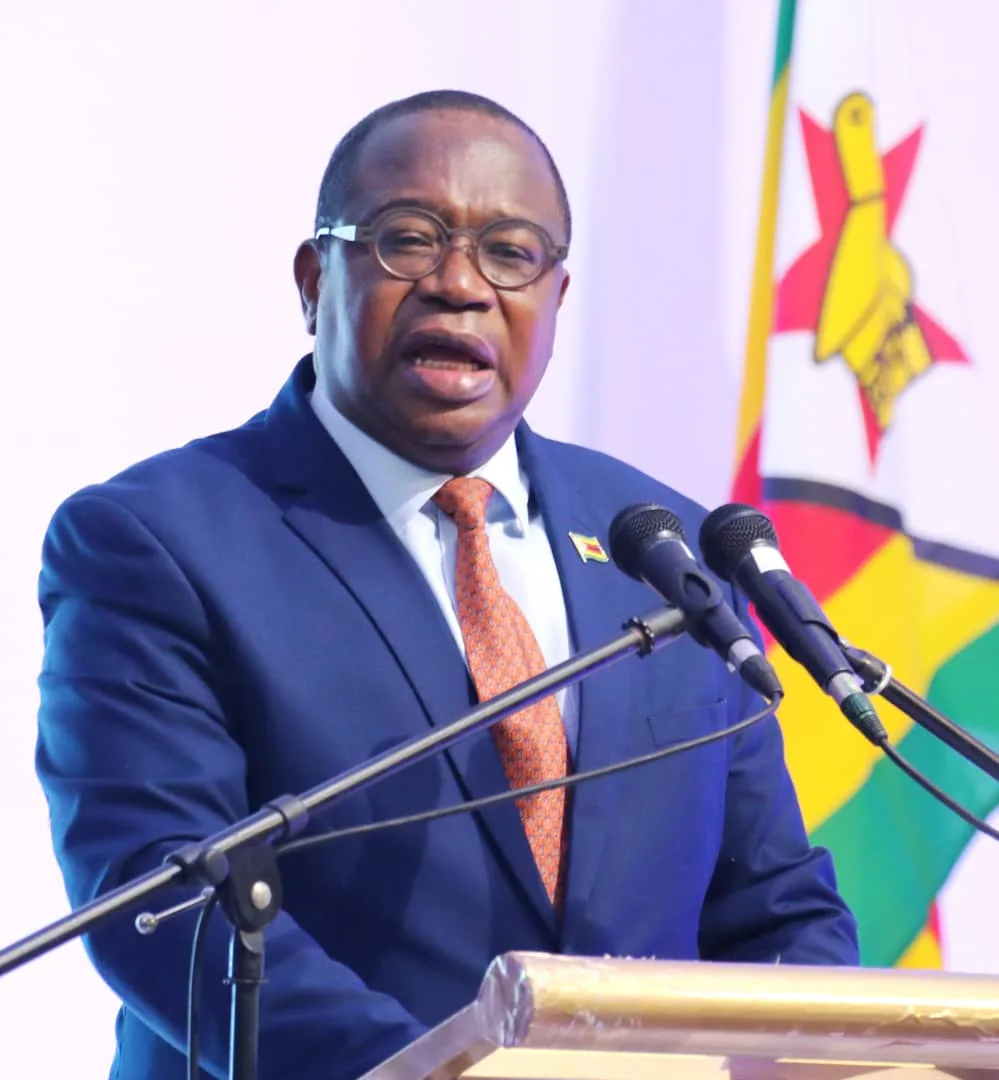
Speaking at the launch of the National Cooperative Societies Development Policy on the sidelines of the National SMES Indaba in Harare , the Minister of Finance, Economic Development and Investment Promotion, Professor Mthuli Ncube, said the reforms underscore Government’s determination to position MSMEs as a key driver of economic growth, employment creation and inclusive development.
“Government is firmly and eagerly committed to supporting the growth and expansion of micro, small and medium enterprises in our economy. We regard the MSME sector not as a peripheral concern but as a central pillar of a broad-based, formal and competitive economy, and as one of the surest engines of employment, value addition and inclusive prosperity,” said Prof. Ncube.
He said all the Ease of Doing Business reforms being implemented were guided by Government’s commitment to creating a conducive operating environment for businesses.
Prof. Ncube said Government had reviewed and reduced a number of fees and levies that had been increasing the cost of production and service delivery for businesses.
He said authorities had also harmonised and capped similar fees across local authorities to eliminate disparities where businesses undertaking the same activities were charged different amounts depending on location.
The Minister outlined several reforms already approved by Cabinet under the first tranche of the Ease of Doing Business programme.
He said licensing in the livestock and dairy sectors had been simplified through streamlined abattoir licensing, integrated livestock movement documentation and the removal of redundant dairy and feedstock permits to unlock agro-processing value chains.
In the tourism sector, separate licences for hotels, lodges, guest houses and restaurants have been consolidated into a single approval system, while fees have been harmonised nationwide.
Prof. Ncube said reforms in the transport sector had reduced driver training school and instructor fees while merging overlapping road transport permits.
He added that wholesale and retail businesses would benefit from standardised municipal, shop and business licences, with Statutory Instrument 41 of 2026 implementing 55 of the 72 local authority fees and capping charges to eliminate inconsistencies across councils.
Under the second tranche of reforms, Prof. Ncube said Government had significantly lowered barriers to investment in renewable energy.
“In the second tranche, energy and power saw the ZERA licence application fee fall from US$2 500 to US$20, with small solar and hydro generation projects of up to 10 megawatts licensed at no cost,” he said.
Prof. Ncube said the reforms are expected to stimulate investment, improve competitiveness, encourage business formalisation and strengthen the contribution of MSMEs and cooperatives towards achieving Zimbabwe’s Vision 2030 aspirations.