
Princess Sibanda
Beitbridge
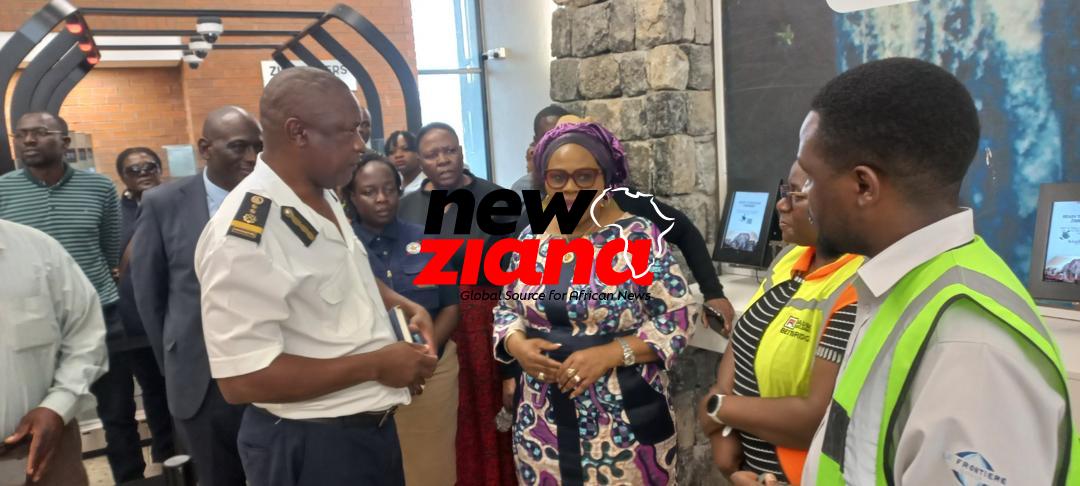
A powerful message of compassion, protection and empowerment echoed through the Beitbridge Reception Centre on Monday as the Government of Zimbabwe and United Nations agencies intensified efforts to support thousands of Zimbabweans returning from South Africa, with women and girls placed at the heart of the response.
Leading the High-Level Joint UN Sectoral Response Mission, the Minister of Women Affairs, Community, Small and Medium Enterprises Development, Senator Monica Mutsvangwa, said the nation had a duty to welcome returnees with dignity and ensure that vulnerable women and children receive the protection and support they deserve.
Addressing government officials, development partners and returnees, Mutsvangwa said behind every statistic was a painful human story of families uprooted from their livelihoods, separated from their possessions and forced to return home under difficult circumstances.
“As a woman, my heart bleeds for every returnee who has endured these hardships,” she said.
The Minister noted that women and girls face unique challenges during displacement and migration, making them more vulnerable to exploitation, abuse and gender-based violence. She said Government was working closely with humanitarian partners to strengthen gender-responsive reintegration programmes and ensure that women are protected throughout the reintegration process.
Mutsvangwa urged returnees, particularly women, to take advantage of economic empowerment opportunities available through Government programmes such as the Women’s Development Fund, Village Savings and Lending Schemes, cooperatives and small-to-medium enterprises.
“Our vision is not only to provide immediate relief but to create pathways towards sustainable livelihoods, resilience and self-reliance,” she said.
As part of the intervention, the Minister officially received and handed over 800 dignity kits donated through a partnership between the Ministry and the United Nations Population Fund (UNFPA). The kits contain essential menstrual health and hygiene supplies aimed at restoring dignity and confidence to women and adolescent girls arriving at the reception centre.
She also handed over a consignment of rice to support feeding programmes for returnees, emphasizing that no Zimbabwean should go hungry during this difficult transition.
“To every woman and girl returning home, our message is simple: You are home. You are seen. You are valued. You are not alone,” said Mutsvangwa.
Providing an update on interventions at the reception centre, Beitbridge District Women Affairs Officer Vusumuzi Siduli said the ministry has remained at the forefront of providing protection services and psychosocial support to vulnerable returnees.
Siduli revealed that the ministry has provided counselling and emotional support to 2,214 returnees, of whom 2,198 were women, helping them cope with trauma and the challenges associated with displacement and reintegration.
He said 182 vulnerable returnees had been referred to relevant government departments and health institutions for specialised assistance, while awareness programmes on gender-based violence, livelihood opportunities and government support initiatives continue to be rolled out.
“We are not only responding to immediate needs but also helping women rebuild their lives through economic empowerment and access to affordable financing facilities,” said Siduli.
He highlighted the role of the Women’s Development Fund and Community Development Fund in supporting income-generating projects and promoting long-term resilience among returnees.
Speaking on behalf of participating United Nations agencies, including UNFPA, UNICEF, IOM and UN Women, UNFPA Representative Miranda Tabifor reaffirmed the UN’s commitment to standing with Zimbabwe during the ongoing humanitarian response.
Tabifor noted that approximately 70 percent of returnees are women, adolescent girls and children, underscoring the need for interventions centred on dignity, protection and empowerment.
“The Beitbridge Border Post is more than an entry point. It is a place of hope, but also a place of vulnerability for citizens returning home,” she said.
She explained that the joint mission is anchored on three key pillars: restoring dignity, ensuring safety and protection, and promoting sustainable reintegration.
“The 800 dignity kits being handed over today are more than hygiene products. They represent a commitment to restoring confidence, self-worth and dignity to women and girls who have experienced difficult circumstances,” said Tabifor.
She added that UN agencies are working with Government to strengthen referral pathways for survivors of gender-based violence, create safer transit facilities and develop long-term reintegration strategies that include economic opportunities for women and families.
The visit highlighted growing collaboration between Government, the United Nations and development partners in responding to the increasing number of returnees arriving through Beitbridge. Stakeholders pledged to continue working together to ensure that vulnerable women, children and families receive the support they need to rebuild their lives and contribute to Zimbabwe’s development.
For many of the women arriving at the reception centre, Monday’s intervention was more than a humanitarian handover—it was a reminder that despite the hardships of displacement, they have not been forgotten.