By Johnson Siamachira
Harare, (New Ziana) — Africa’s largest co-ordinated annual fundraising campaign for wildlife rangers was launched on Tuesday in multiple locations across Africa, amid growing recognition of the key role they played in safeguarding the continent’s natural resources, and need to adequately equip them for the daunting task.
Over US$25 million has been raised in donations since the campaign was started in 2020, but conservation groups warn that the continent, with a combined total of 65,000 rangers deployed, is grossly under-staffed for the critical wildlife conservation task at hand.
Ideally, they say, Africa required 345,000 rangers to effectively protect its wildlife, and protected areas.
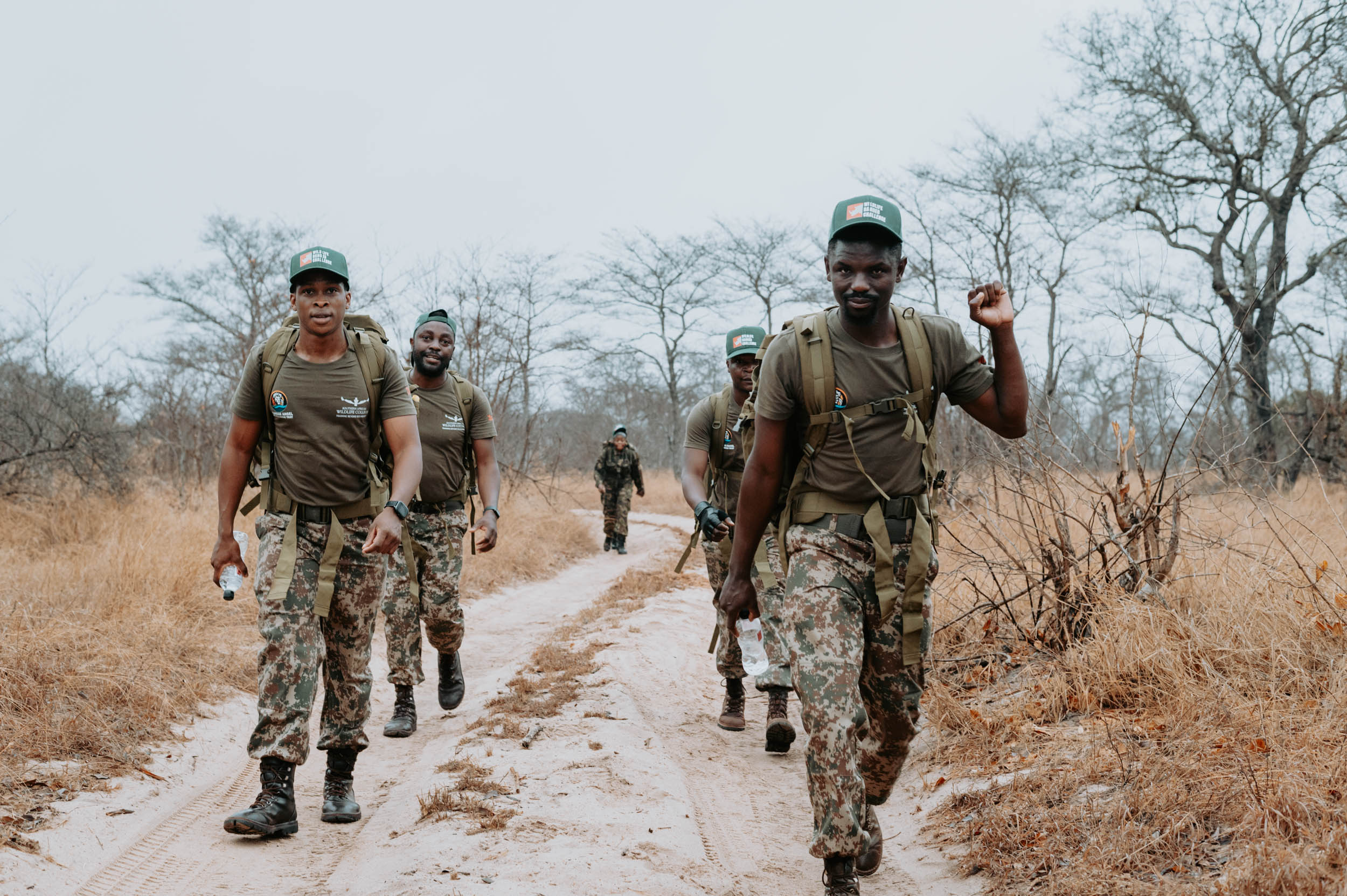
The seventh Wildlife Ranger Challenge, organised by conservation charity Tusk and the Game Rangers Association of Africa (GRAA), brought together more than 2,000 rangers from over 150 teams across more than 20 African countries in two months of physical and mental competitions before a continent-wide 21-kilometre race on September 19.
The campaign, launched during the COVID-19 pandemic to help sustain ranger operations, has evolved into Africa’s biggest annual celebration of frontline conservation workers while raising funds for ranger welfare, equipment, training and technology.
The launch comes as African governments and conservation organisations face mounting pressure to strengthen ranger forces amid rising wildlife crime, expanding human settlements, climate change and increasing conflicts between people and wildlife.
Zimbabwe, home to some of Africa’s largest elephant populations, has also intensified efforts to professionalise and equip wildlife rangers through the Zimbabwe Parks and Wildlife Management Authority (ZimParks), community-based scouts under the Communal Areas Management Programme For Indigenous Resources (CAMPFIRE) programme and partnerships with conservation organisations operating in areas such as Hwange, Mana Pools, Gonarezhou, the Mid-Zambezi Valley and the Zambezi landscape.
In a statement, Tusk President and Chief Executive Officer, Charlie Mayhew said reaching the fundraising milestone of more than US25 million not only reflected growing global recognition of rangers’ work but also underscored the scale of the remaining challenge.
“Reaching US$25 million is an extraordinary achievement and a tribute to thousands of people who have backed wildlife rangers over the past six years,” Mayhew said. “But it should not leave us thinking the job is done. Rangers remain one of conservation’s most under-recognised workforces.”
Mayhew said rangers protect wildlife, support local communities, respond to emergencies and safeguard ecosystems that provide environmental and economic benefits far beyond protected areas.
The Game Rangers Association of Africa also said ranger duties now extend well beyond anti-poaching patrols to include biodiversity monitoring, scientific data collection, firefighting, disaster response, environmental education and reducing human-wildlife conflict.
“Our rangers don’t ask for recognition; they simply get on with their work as essential planetary health workers, protecting nature and ecosystems under incredibly challenging circumstances,” GRAA Chief Executive Officer Louise de Bruin said. “The Wildlife Ranger Challenge allows the world to stand in solidarity with Africa’s rangers by investing in their safety, wellbeing and future.”
Organisers said many rangers continue to operate with inadequate equipment, limited training and little or no insurance despite confronting armed poachers, organised wildlife trafficking networks and growing security threats.
The challenges also helped inspire the Ranger Welfare Standards Initiative, launched in 2024 to improve working conditions across Africa. The initiative has already enabled nearly 6,300 rangers to obtain insurance coverage and aims to reach 10,000 by 2030.
Kenyan ranger Pius Mutuma Mbiria of Mount Kenya Trust said stronger investment would improve conservation outcomes and community livelihoods.
“Supporting rangers means we can protect ecosystems that communities rely on more efficiently, with adequate resources and motivation despite these challenges,” he said.
Zimbabwe has increasingly recognised the role of rangers and community wildlife scouts in protecting globally significant populations of elephants, lions, black rhinos and other threatened species while reducing human-wildlife conflict in areas such as Hwange, Mbire, Nyaminyami and Gonarezhou. Conservation partners have also expanded the use of Global Positioning System (GPS) tracking, aerial surveillance, Spatial Monitoring And Reporting Tool patrol systems and community intelligence networks to strengthen wildlife protection and improve ranger safety.
The 2026 Wildlife Ranger Challenge is supported by founding donor Mark Scheinberg, who is match-funding US$1 million, together with the Disney Conservation Fund, EJF Philanthropies and Defender. Organisers said all proceeds will go directly to participating ranger organisations to finance welfare, equipment, training and technology that enhance wildlife protection and support communities living alongside protected areas.
New Ziana