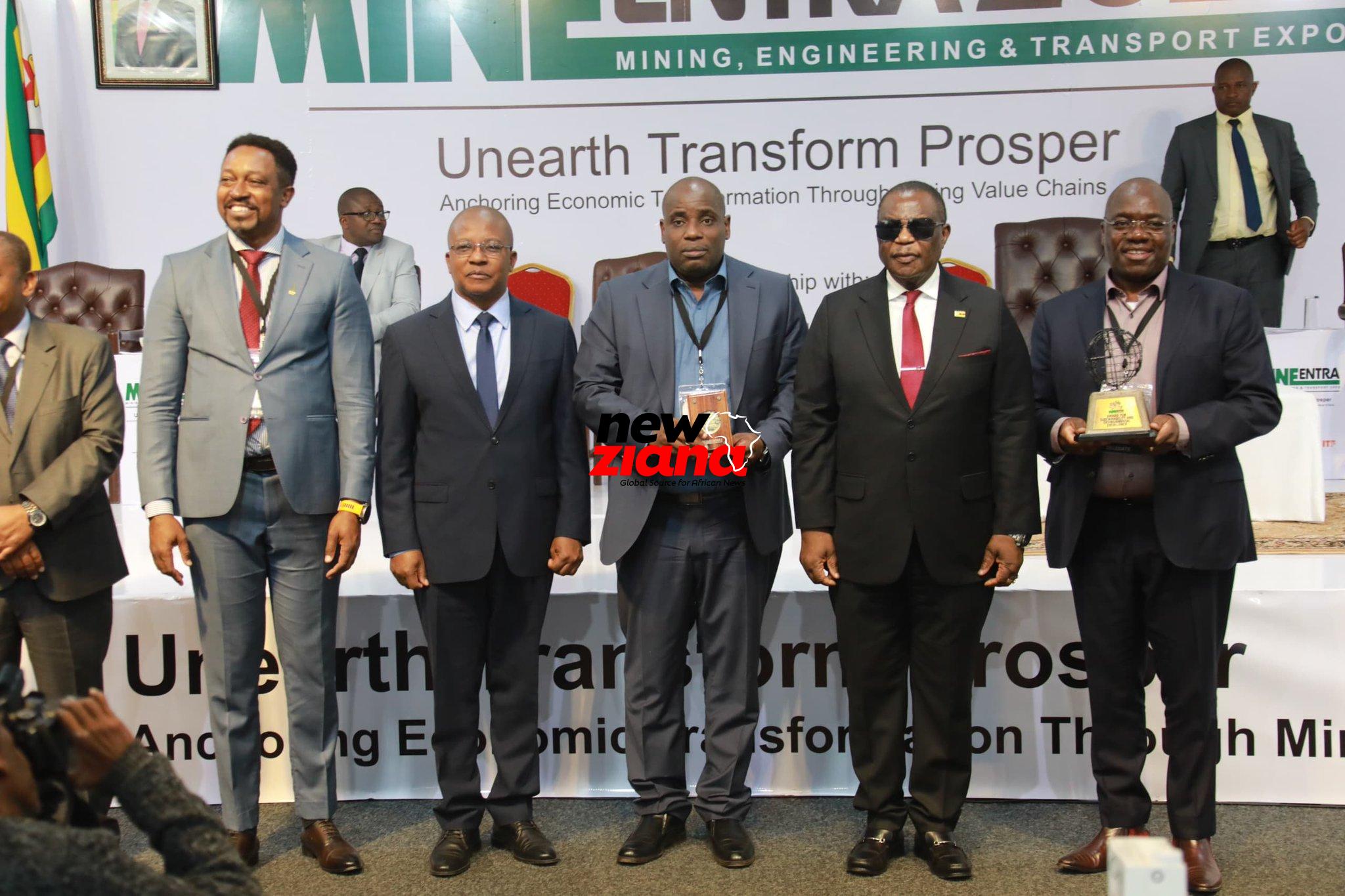
Bulawayo, (New Ziana) – Zimbabwe’s lithium beneficiation drive is set to boost annual export earnings to US$3,2 billion by 2027 and beyond, the Lithium Association of Zimbabwe (LAZ) has said.
Before the country started beneficiating lithium, export earnings averaged US$60 million a year.
Speaking on the sidelines of a stakeholders’ engagement meeting on Wednesday, LAZ chairman Innocent Rukweza said the country’s shift from exporting raw lithium ore to higher-value products was already delivering significant economic benefits, and vindicated the government’s mineral beneficiation policy.
“We are in agreement with all the sentiments from policymakers that beneficiation is the way to go, and the numbers clearly demonstrate that fundamental truth. When Zimbabwe was exporting lithium ore in 2022, the industry generated around US$60 million in annual turnover.
“Following the introduction of concentrate production from 2023 to 2025, average annual revenues increased to about US$530 million,” said Rukweza.
He said the industry’s next milestone had already been reached following the production of the country’s first lithium sulphate consignment by Acadia Lithium.
“This year we have the first parcel of lithium sulphate from Acadia, and we expect industry turnover to reach about US$1 billion. As more producers come on stream, by 2027 and beyond we are projecting annual revenues of approximately US$3.2 billion,” he said.
Rukweza said the dramatic increase in export earnings underscored the economic case for local value addition.
“The numbers don’t lie. They tell a compelling story that fully supports the country’s beneficiation agenda. By processing our minerals locally, we are unlocking significantly greater value from the same resource,” he said.
He said the lithium industry had already invested more than US$2 billion in mine development and processing infrastructure, with an additional US$1,4 billion earmarked for lithium sulphate production facilities.
“Most lithium producers have already committed substantial capital towards concentrator plants, while more than US$1,4 billion is being directed towards lithium sulphate projects. Overall, the industry is looking at investments of around US$3,2 billion across the lithium value chain,” he said.
Rukweza said only Acadia Lithium was currently producing lithium sulphate, but output was expected to expand rapidly as more projects came on stream.
“At peak production by 2028, Zimbabwe is expected to produce about 385 000 tonnes of lithium sulphate annually, generating the kind of revenues we have projected,” he said.
He said moving up the value chain was not only improving export earnings but also increasing profitability while shielding producers from volatile global commodity prices.
“As you move from ore to concentrate and ultimately to lithium sulphate, you are creating more value. You are also reducing business risk because processed products are less exposed to price volatility than raw materials. Higher-value products provide better returns and a more stable business model,” Rukweza said.
He, however, urged government to review the fiscal regime governing the sector to enhance the country’s competitiveness as producers invest in downstream processing.
“We would like policymakers to reconsider some of the taxes affecting the industry. When we compare ourselves with other lithium-producing countries, our export taxes, royalties and other statutory charges are relatively high,” he said..
He highlighted that fiscal incentives would be critical in encouraging further investment in beneficiation projects.
“We are investing more than US$1,4 billion into beneficiation infrastructure. Such investments require supportive fiscal incentives if the country is to accelerate value addition and remain competitive globally,” Rukweza said.
Rukweza further said the industry was also pursuing projects worth more than US$80 million to recover additional critical minerals associated with lithium deposits.
“In line with the beneficiation agenda and National Development Strategy (NDS2), we have validated projects valued at over US$80 million that will extract additional value from associated minerals such as tantalum, niobium and caesium, further strengthening the country’s position in the global critical minerals value chain,” he said.
New Ziana