
By Zachary Gava
Harare, (New Ziana) – Zimbabwe is intensifying preparations for the the 31st United Nations Climate Conference or Conference of Parties to the United Nations Framework Convention on Climate Change (UNFCCC), more commonly known as the COP31, to be held in from 9-20 November in Antalya, Türkiye.
World leaders, experts, and negotiators from around 200 nations will meet at the Expo Center in Antalya to address the climate crisis, finance, and emission targets.
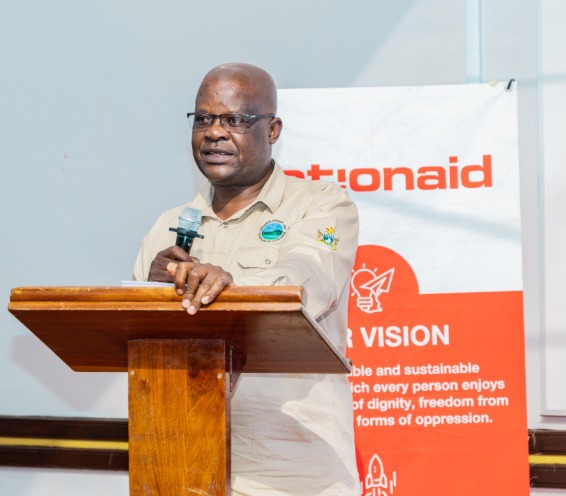
On Friday, the Zimbabwe government convened key climate stakeholders to translate outcomes of the 64th Session of the UNFCCC Subsidiary Bodies (SB64) into national priorities, with permanent secretary for Environment, Climate and Wildlife Simon Masanga calling for stronger partnerships to confront the escalating impacts of climate change.
Speaking at the Post-SB64 Stakeholder Feedback and Priorities Alignment Meeting, Masanga said the gathering reflected collective commitment of Zimbabwe to advancing the climate agenda through dialogue, partnership and coordinated action.
He commended ActionAid Zimbabwe for supporting the engagement, describing collaboration between Government and development partners as critical in strengthening climate resilience and inclusive climate governance.
“Climate change is therefore no longer an environmental issue alone; it is a national development challenge that cuts across every sector of the economy and demands coordinated action from government, development partners, civil society, academia, and the private sector, including the various communities around Zimbabwe,” he said.
Masanga said the participation of Zimbabwe at the SB64 has been both timely and strategic, allowing the country to contribute to technical negotiations while advancing national interests on issues such as adaptation, climate finance and disaster response.
He stressed that improving institutional readiness to access international climate finance remains a national priority as the country prepares its third generation Nationally Determined Contributions (NDC 3.0) ahead of COP31.
ActionAid Zimbabwe country director Dr Selina Pasirayi said the SB64 outcomes reinforced the urgent need to move beyond international commitments and accelerate practical action that benefits communities already suffering the effects of climate change.
She said the meeting provided an important platform to assess the way global negotiations could be translated into national action for a just and climate-resilient future.
“The outcomes of SB64 remind us that while progress continues within the multilateral climate processes, the realities facing vulnerable communities demand faster, more ambitious, and more equitable action,” she said, noting that prolonged droughts, erratic rainfall, floods, biodiversity loss and food insecurity continue to threaten livelihoods across Zimbabwe.
Dr Pasirayi said women, young people, smallholder farmers and other marginalized groups continue to bear the greatest burden of climate change despite contributing the least to global greenhouse gas emissions.
She said discussions at SB64 rightly placed greater emphasis on adaptation, climate finance and a just transition because these issues are ultimately about protecting people, livelihoods, human rights and sustainable development.
One of the strongest messages emerging from SB64, she said, was the need to close the gap between climate promises and implementation, particularly by ensuring climate finance reaches frontline communities.
“Climate finance mechanisms should be accessible, gender-responsive, transparent, and accountable. Communities should not merely be beneficiaries; they must be active participants in the design, implementation, and monitoring of climate interventions,” she said.
Dr Pasirayi further urged stakeholders to ensure that the transition to low-carbon, climate-resilient economies leaves no one behind through the creation of decent jobs, reduced inequalities and expanded opportunities for women and young people.
“Climate justice requires that those most affected by climate change have a meaningful voice in decisions that shape their future,” she said.
To guide the Zimbabwe post-SB64 agenda, Dr Pasirayi outlined four priority actions namely strengthening locally led adaptation through investment in community resilience, advancing gender-responsive climate action, improving direct access to climate finance for local organisations, and strengthening accountability by ensuring Nationally Determined Contributions and National Adaptation Plans are genuinely participatory and amplify the voices of women, youth, persons with disabilities and Indigenous peoples.
She said collaboration among government, civil society, development partners, academia, the private sector and communities would be essential as Zimbabwe advances towards COP31.
New Ziana