Antony Chawagarira
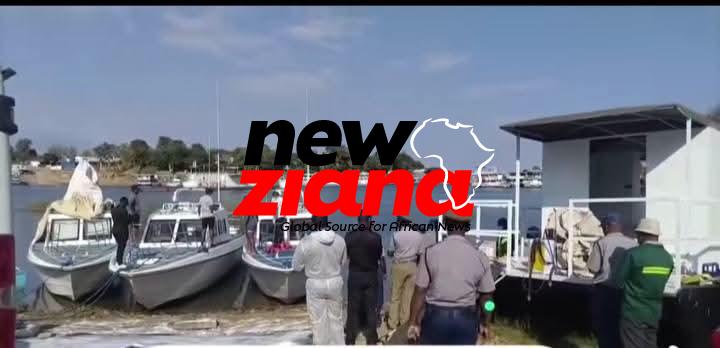
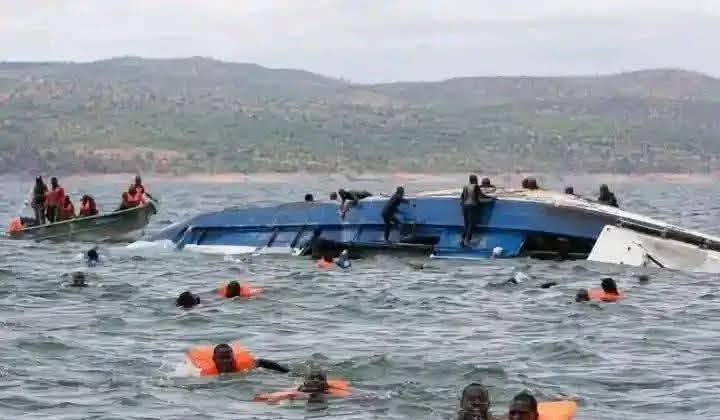
KARIBA — Families searching for loved ones lost in the Mbuya Nehanda boat disaster are facing another painful ordeal as the condition of some recovered bodies makes visual identification increasingly difficult.
Witnesses and relatives involved in the identification process say the passage of time, swelling and decomposition of the bodies have made it extremely difficult for families to confidently establish whether a recovered body belongs to their relative.
Israel Chirimbani, who is among those affected by the identification process, described the experience as heartbreaking, saying families were struggling to recognise their loved ones because of the changes the bodies had undergone.
“It is very painful. You look at the body and you cannot even tell whether it is your relative or not because the bodies are swollen and already decomposing. You can imagine the pain of having to identify your own relative in such a condition,” Chirimbani said.
He said the situation was leaving families with uncertainty over whether the bodies they were being shown were indeed their relatives.
The uncertainty has also raised fears that families could unknowingly bury the wrong person, particularly if identification is based mainly on physical appearance.
Forensic experts generally advise against relying solely on visual identification where bodies have undergone significant decomposition. Instead, authorities can combine DNA testing with fingerprints where recoverable, dental records, medical records, distinctive scars, surgical implants and other identifying characteristics.
Families can assist by providing photographs, medical and dental records and DNA samples from close biological relatives to support the identification process.
The remains should also be handled and preserved carefully to minimise further deterioration. Appropriate refrigerated mortuary facilities can help slow decomposition and give forensic teams sufficient time to conduct proper examinations.
Each recovered body should be allocated a unique identification number, with photographs, clothing, personal effects and other relevant evidence carefully documented from recovery to release.
Authorities could also establish a central family assistance and identification centre where relatives can provide information about missing persons, submit DNA samples and receive verified updates.
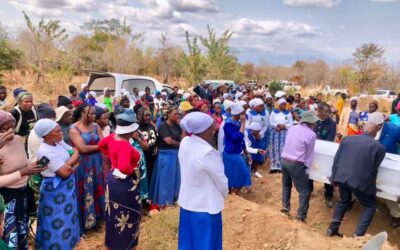
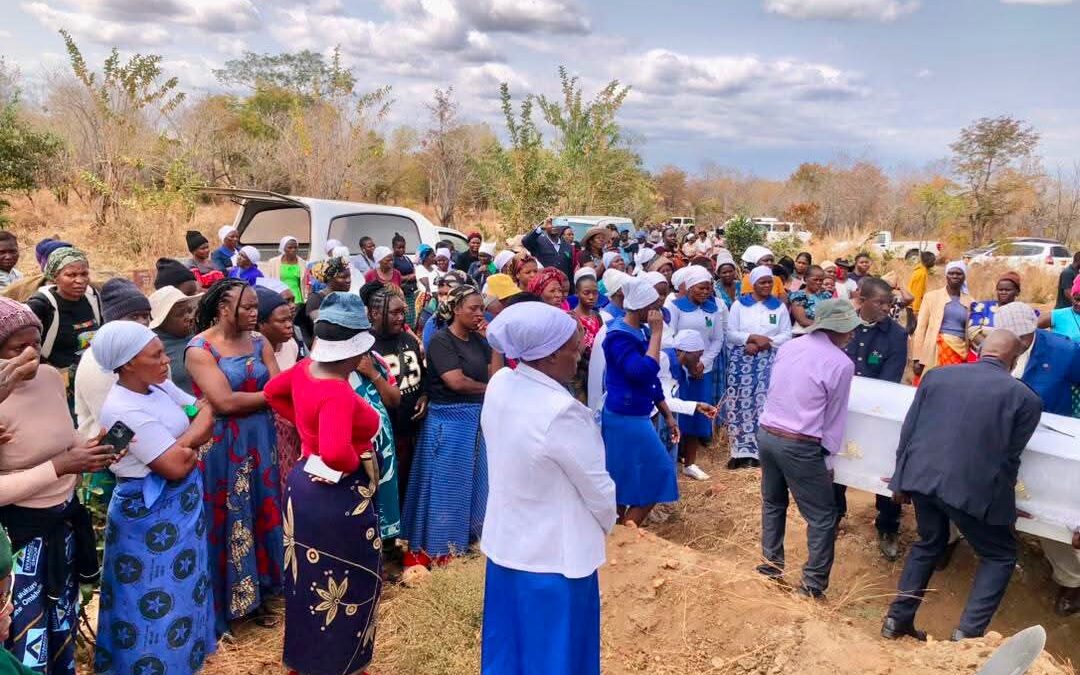
For grieving families, confirmation of a loved one’s identity is more than an administrative requirement. It provides certainty, allows a dignified burial and helps relatives begin the painful process of mourning.
As recovery and identification efforts continue, families are appealing for the use of scientific identification methods to ensure that every victim is correctly identified and returned to the right family.