Antony Chawagarira
HARARE — Zimbabwe has emerged as Africa’s largest tobacco producer, as the continent’s tobacco-leaf production rose by almost nine percent between 2012 and 2024, even as global output declined by nearly 19 percent, according to the World Health Organisation (WHO).
According to a new WHO analysis, Africa produced more than 639,000 tonnes of tobacco leaf in 2024, accounting for about 11 percent of global production.
Zimbabwe, Malawi, Tanzania, Mozambique and Uganda were the continent’s five largest producers, together accounting for the bulk of Africa’s tobacco output.
The increase in production has coincided with a sharp rise in cigarette imports, as Africa’s cigarette import bill more than doubled from US$833 million in 2012 to US$1.77 billion in 2024.
WHO said the trend highlighted a development dilemma in which African countries are producing and exporting raw tobacco while spending increasing amounts on manufactured cigarettes.
“This is not just a tobacco-control issue. It is a health, trade, development and environmental issue,” said Dr Vinayak Prasad, head of WHO’s Tobacco Free Initiative.
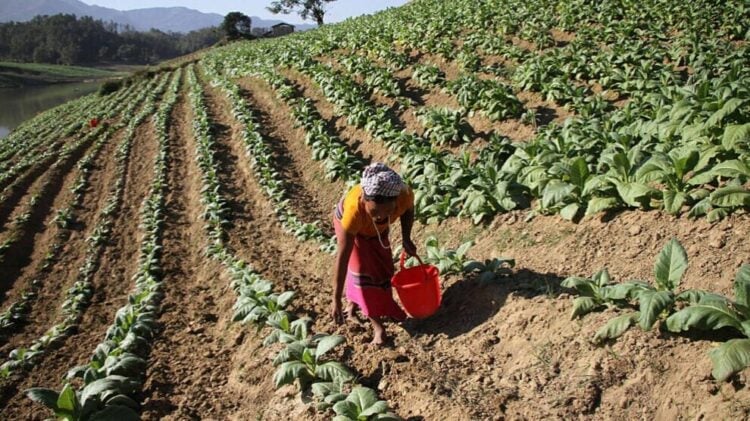
The organisation warned that tobacco cultivation was placing pressure on land and water resources while contributing to soil degradation, deforestation, pesticide exposure and greenhouse gas emissions from tobacco curing.
Farm workers also face health risks, including green tobacco sickness caused by nicotine absorption through the skin when handling wet tobacco leaves.
WHO said tobacco farming could also expose children from poor households to labour, potentially affecting their schooling.
The analysis challenges the argument that tobacco is economically indispensable, noting that tobacco-leaf exports account for more than one percent of gross domestic product in only a few countries—such as Zimbabwe and Malawi.
For most economies, WHO said, the economic contribution of tobacco production and trade is limited compared with its health, social, and environmental costs.
“Countries need support to move away from economic dependence on a product that harms health, farmers and the environment,” Dr Prasad said.
WHO is calling for greater investment in viable alternative livelihoods for tobacco farmers and workers, stronger tobacco-control measures and policies that promote diversification and sustainable development.
The organisation said Articles 17 and 18 of the WHO Framework Convention on Tobacco Control encourage countries to develop economically sustainable alternatives for tobacco growers and workers while protecting human health and the environment.