By Zachary Gava
Harare, (New Ziana) – Zimbabwe should accelerate reforms targeting infrastructure, the business environment and private investments in order to turn the recent economic stability into faster growth, investment and better-paying jobs, the World Bank has said.
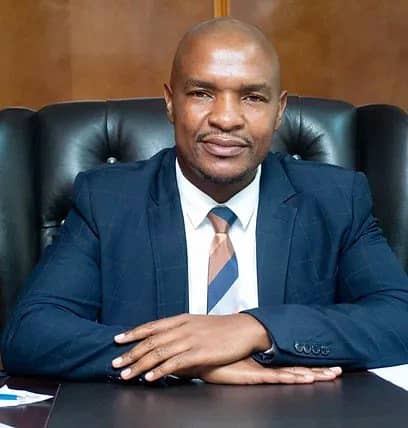
Presenting the Zimbabwe Growth and Jobs Country Report in Harare on Friday, World Bank Zimbabwe country economist and senior representative Victor Steenbergen said the recent macroeconomic stabilization had created an important platform for deeper economic reforms.
He said the Zimbabwean economy grew by almost 6 percent between 2021 and 2025, while local-currency inflation fell into single digits early this year, the first time this has happened since 1997.
Steenbergen described the development as a “genuine window of opportunity”, but warned that maintaining stability alone will not be enough to deliver the jobs and incomes Zimbabwe needs.
“The task now is to turn that stability into shared prosperity,” he said.
According to the World Bank, Zimbabwe could achieve substantially faster and more inclusive growth by addressing three major constraints, namely inadequate infrastructure, a difficult business environment and low levels of private investment.
The World Bank argues that investment in reliable electricity, transport infrastructure, irrigation and agricultural market connectivity could significantly improve productivity and create jobs.
“More reliable and affordable energy and transport lower costs and raise productivity for formal firms, supporting employment growth,” it says, while noting that the same infrastructure can increase incomes among informal producers and smallholder farmers.
The World Bank sees particularly strong opportunities in agriculture, mining, manufacturing and tourism, sectors it says have the greatest potential to generate growth and quality employment.
Manufacturing, in particular, is identified as one of the clearest routes to productive formal employment, provided the country can address electricity shortages, trade barriers and the cost of regulation.
The World Bank also highlights the potential benefits of attracting greater private capital, arguing that public resources alone will not be sufficient to finance the infrastructure required for economic transformation.
“Public financing alone would be too slow and too limited in scale to deliver infrastructure at the pace needed to generate jobs,” it says, making private capital mobilization central to the reform agenda.
Despite the positive outlook, the World Bank saiys the jobs challenge remains substantial as about four in five workers are employed informally, while more than one-third of young people are neither employed nor in education or training.
The World Bank says the recent economic growth has largely been driven by consumption rather than investment, limiting the creation of productive jobs, adding nevertheless, that the country can change the trajectory.
“Full implementation of these reforms could meaningfully accelerate GDP growth and generate substantially more, better-paid jobs,” it says, adding that Zimbabwe could get back on track to achieve upper-middle-income status by 2030.
The World Bank says progress on debt resolution and arrears clearance will also be critical in unlocking concessional financing and restoring investor confidence.
It says Zimbabwe is “primed for economic transformation”, citing its natural resources, human capital and recent policy reform momentum as key advantages.
New Ziana