
By Mvelo Mthiyane Zondo
UMZINGWANE — For 14-year-old Sikhathele Madubeko of Mpisini village in Umzingwane District, going to school used to mean leaving home before dawn and returning exhausted after a gruelling journey that left little time or energy for studying.
Like many girls from remote rural communities, Madubeko faced long distances between home and school, exposing her to a range of risks while undermining her education and well-being.
But the construction of low-cost boarding facilities at rural schools is beginning to change that reality, offering vulnerable adolescent girls a safer environment in which to learn while reducing their exposure to HIV infection, sexual abuse, early pregnancy and child marriage.
The initiative is being spearheaded by the National AIDS Council (NAC) in partnership with organisations including Plan International and the United Nations Development Programme (UNDP), using Global Fund resources.
NAC Matabeleland South Provincial Manager Mgcini Sibanda said the organisation’s involvement in the construction of the facilities was directly linked to its mandate of reducing HIV vulnerability and the impact of AIDS.
“As NAC, our mandate remains the same. People might think that we have diverted to construction of school facilities, which is not true. As a development partner, we are complementing Government efforts by assisting in the construction of low-cost boarding facilities,” Sibanda said.
He said providing safe accommodation at schools was an important intervention for vulnerable girls who would otherwise face numerous risks on their journeys to and from school.
“As NAC implements programmes that reduce the impact of HIV and AIDS, such facilities come in handy for underprivileged rural girls. Through utilisation of Global Fund resources, NAC, alongside partners like Plan International and UNDP, is spearheading the construction of low-cost boarding facilities to protect vulnerable adolescent girls and young women from HIV vulnerability, early pregnancies and child marriage,” he said.
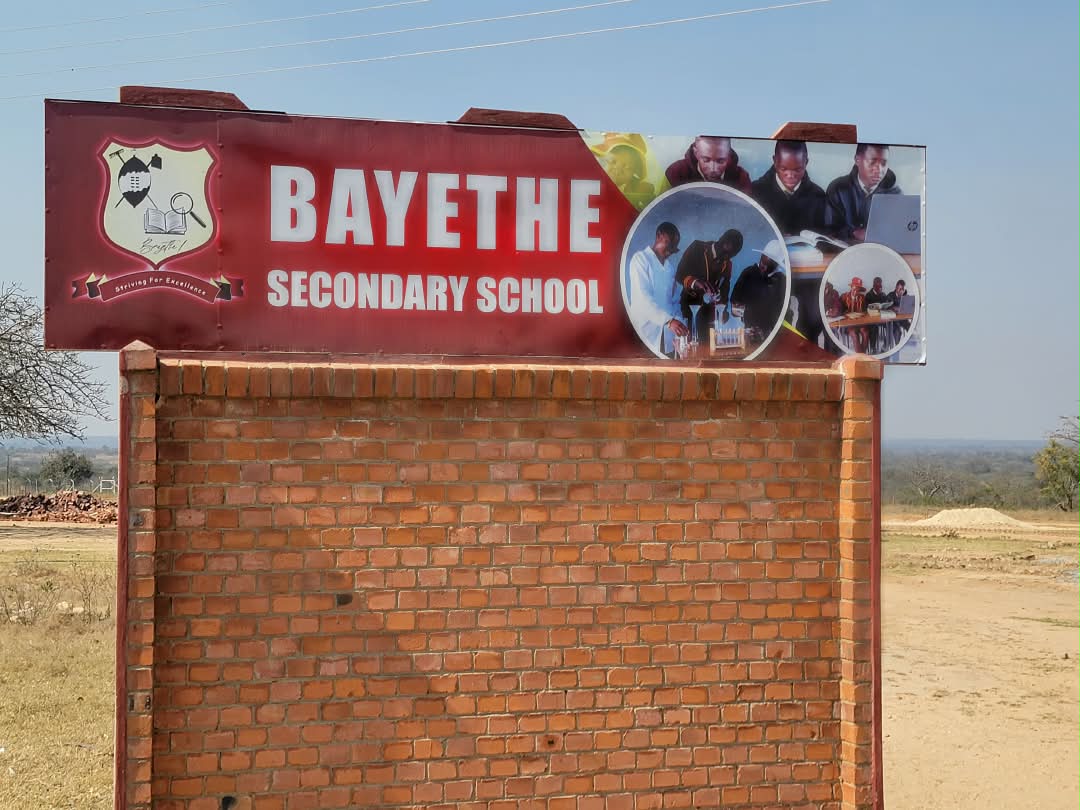
In Umzingwane, the programme has resulted in two low-cost boarding facilities at Esihlengeni and Bayethe secondary schools, each with a capacity of 32 pupils.
The facilities are proving particularly significant in communities where some learners previously walked between 20 and 30 kilometres to attend school.
For girls, such journeys can carry additional risks, including sexual harassment and abuse, while long hours on the road can lead to fatigue, absenteeism and poor academic performance.
At Bayethe Secondary School, 50-year-old parent Sehlile Lusinga from Mpisini Village in Ward 14 said the boarding facility had brought significant relief to her Form Four daughter.
“Life has not been easy for me and my child before the construction of this facility. Its existence has improved her performance at school,” Lusinga said.
The facility has also created an opportunity for Lusinga to contribute towards her daughter’s education. She volunteers as a cleaner and gardener at the boarding facility, with her services helping offset her child’s school fees.
Before the facility was built, she said, her daughter would wake up as early as 4am and walk for about four-and-a-half hours to school, returning home around 8pm.
“She would come back home very exhausted without any energy to study or do household chores. I am grateful and thank the authorities for coming up with this facility,” she said.
Lusinga said the dangers faced by girls on the long journeys were not merely hypothetical, with some learners reportedly being sexually assaulted while travelling to school.
Learners who are not accommodated at the low-cost boarding facilities may also rely on public transport, sometimes travelling early in the morning and returning home in the evening, creating further opportunities for exploitation and abuse.
The boarding initiative therefore represents more than an education intervention. By bringing vulnerable girls closer to their classrooms and providing safer accommodation, it addresses several interconnected barriers that can push rural girls out of school and increase their vulnerability to HIV and other social risks.
For communities such as Mpisini, the facilities offer girls like Madubeko something that was previously difficult to achieve — the chance to attend school without having to choose between education and personal safety.