Staff Reporter
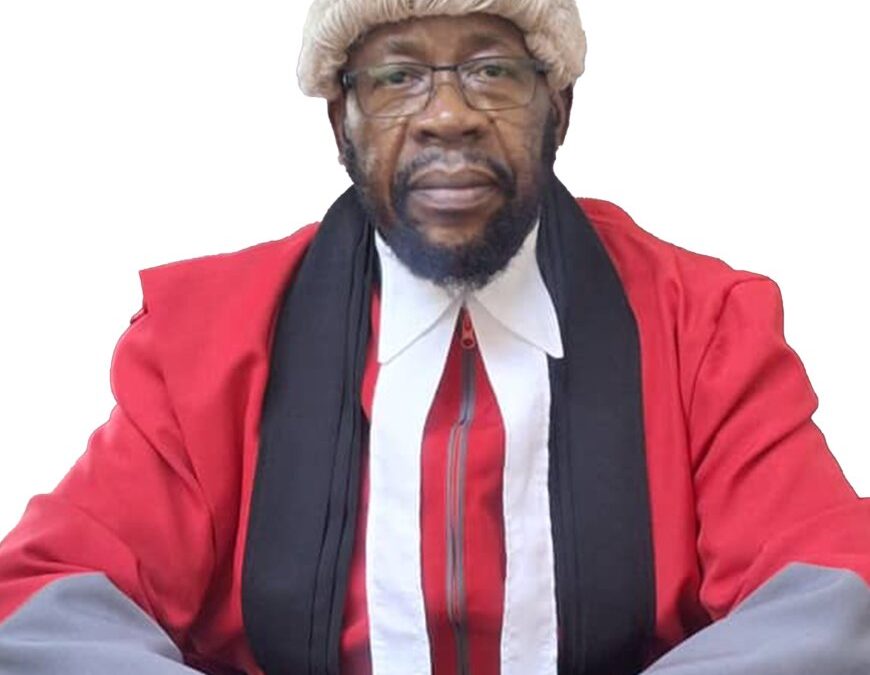
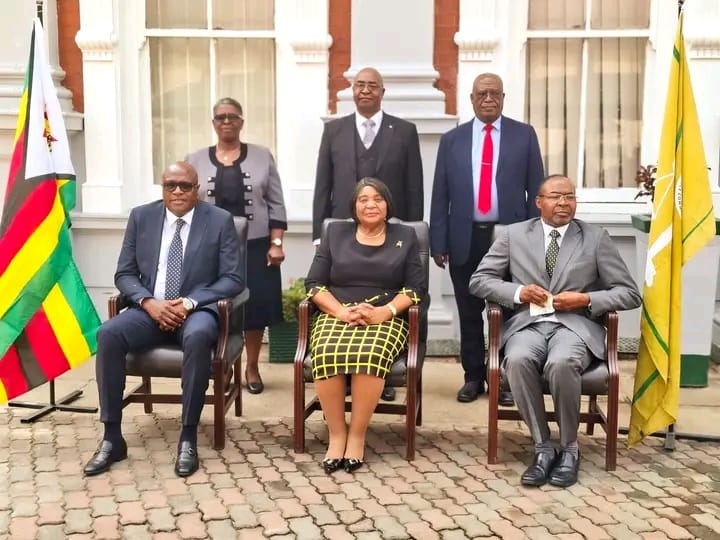
HARARE — Three judges have been sworn into the Supreme Court and Constitutional Court, further strengthening Zimbabwe’s senior judiciary and its capacity to handle an increasing caseload.
Justice Charles Hungwe was sworn in as Judge President of the Supreme Court, while Justice Tawanda Chitapi took the oath as a Supreme Court judge.
Justice Susan Mavangira was also sworn in as a judge of the Constitutional Court at a ceremony held in Harare on Monday.
The latest appointments are part of a broader exercise which has seen 30 new judges appointed to the Constitutional Court, Supreme Court, High Court and Labour Court.
Justice Hungwe described his appointment as a national honour and pledged to uphold the expectations of Zimbabweans.
“My appointment is a real national honour, and I humbly take the role of the Judge President of the Supreme Court. It is a new challenge, and I hope to live up to the expectations of the people of Zimbabwe,” he said.
Justice Chitapi said he would discharge his duties in accordance with the judicial oath and ensure justice was administered without fear or prejudice.
“It is simply a question of working hard, and every court is as important as the Supreme Court. It is just a question of living up to the oath that we took. We administer justice to all without fear or prejudice,” he said.
He said his appointment represented a continuation of his judicial duties, albeit in a different capacity from his previous role at the High Court.
Judicial Service Commission secretary Walter Chikwana said the three judges had missed the earlier swearing-in ceremony because they were either outside the country or engaged on official duties.
He said Justice Hungwe had been on a tour of duty in Lesotho, while Justice Mavangira was on vacation in the United States and Justice Chitapi was also out of the country.
Chikwana said the creation of the Judge President of the Supreme Court position would provide additional leadership and strengthen the administration of the superior courts.
“We have always had the head of the High Court, also known as the Judge President of the High Court; now we have the head of the Supreme Court,” he said.
He said the senior judges would assist the Chief Justice, together with the senior judge of the Labour Court, in carrying out management and administrative duties.
The latest appointments are expected to enhance the judiciary’s administrative capacity, improve the management of court business and support continued access to justice.