
Sharon Chikowore
HURUNGWE — Women have taken the lead in preparing for the anticipated El Niño-induced drought by embarking on horticulture, maize, and livestock projects aimed at strengthening household food security and generating income.
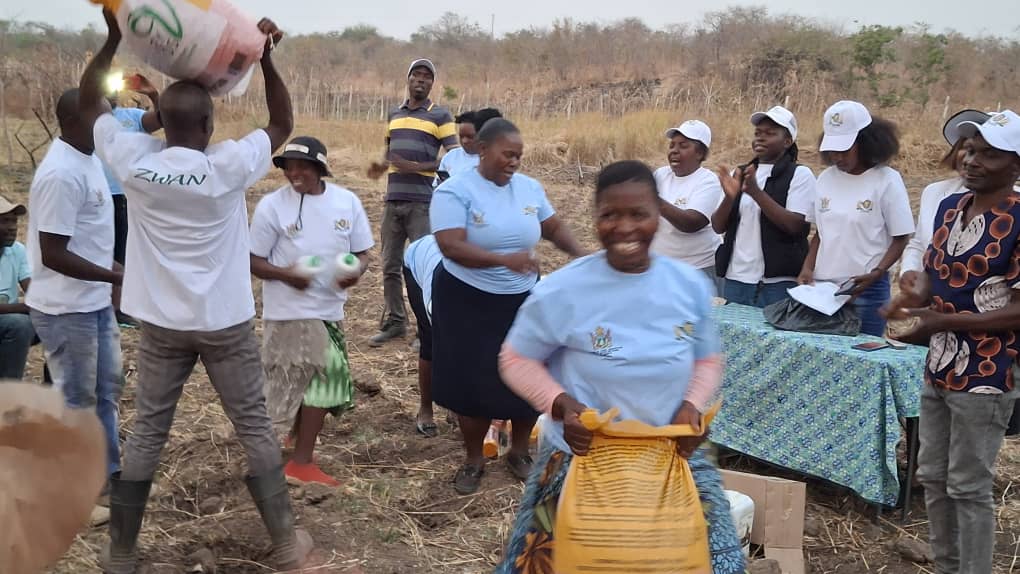
The initiative, implemented by the Zimbabwe Women Agribusiness Network (ZWAN), has supported five groups with seed, fertiliser, and chemicals to establish nutrition gardens and crop projects in West Hurungwe, Tengwe.
ZWAN founder and executive director Phillipa Jaya said the programme was designed to ensure communities take action ahead of the predicted dry season, rather than waiting for the effects of drought to set in.
Speaking during a visit to the groups in Headman Jinga’s area in Tawuya, Jaya said the organisation is supporting communities to diversify their farming activities.
“Despite the drought forecasts, we will not sit idly by and fold our hands in suffering. We are starting to plant so that people can secure food,” she said.
Jaya said the programme was not limited to maize, as farmers are also being encouraged to grow quick-maturing cash crops such as butternut, watermelon, and vegetables to generate income.
Some of the maize, she said, would be consumed fresh, while the remainder would be dried for household use.
The initiative has also incorporated livestock production, with communities in Hurungwe receiving training in piggery as part of efforts to ensure households have alternative sources of food and income.
Jaya said ZWAN would return in October for a Green Show, during which the performance of beneficiary groups would be assessed.
“We will have a competition to identify the top performers, see where others struggled, and provide guidance on how they can improve,” she said.
The programme is being implemented in collaboration with Agritex officers under the Ministry of Agriculture, who will provide technical supervision for the farmers.
Jaya also commended women-focused agricultural empowerment initiatives, saying they have created opportunities for women to participate meaningfully in agriculture, which has traditionally been dominated by men.
She credited the Agri4She Desk with promoting diverse livelihood opportunities for women and families.
“We want our families to explore different livelihoods instead of waiting passively or watching our children succumb to drug abuse,” she said.
Jaya said addressing food insecurity could also help tackle other social challenges affecting communities, such as substance abuse among young people.
Madzibaba Murove, leader of the Ward 19 village heads, welcomed the initiative, saying the projects are bringing much-needed development to rural communities.
He urged the government to complement agricultural programmes by investing in water infrastructure, particularly by drilling additional boreholes.
“We want to see this progress reach every area. We appeal to the government to continue supporting us through infrastructure development, including drilling more boreholes and expanding access to clean water,” he said.
Ward 19 Councillor Samuel Mabhera said the programme is already making a difference, with two groups working on a combined two hectares.
He called for the rehabilitation of the area’s underutilised dams and support for irrigation infrastructure, including centre pivots.
“Ward 19 alone has 27 underutilised dams that need rehabilitation. If the government can assist us in putting these dams to work, it would complement the First Lady’s programme,” Mabhera said.
Lucy Chakwenya, a farmer from Madzimoyo under Chief Mujinga, said she intends to use her maize harvest to feed her family while also supporting her poultry project.
“As a female farmer, I have seen the benefits of growing maize. When I harvest, I will be able to feed my household and use part of it to feed my roadrunner chickens,” she said.
Chakwenya said she has already started acquiring roadrunner chicks in preparation for expanding her poultry project once she harvests the maize.
The initiative has brought together traditional leaders, village heads, councillors, farmers, and community representatives, with organisers saying the ultimate goal is to strengthen rural livelihoods while building resilience against climate-related shocks.