

By Johnson Siamachira
Harare, (New Ziana) – When regional leaders, business executives and investors descend on Zimbabwe for high-level meetings, the economic benefits do not end when the summit closes.
Hotels fill up, conference venues come alive, airlines and transport operators gain business, restaurants serve more customers and tourism operators get a rare opportunity to sell Zimbabwe directly to international and regional decision-makers.
But a bigger question remains: Is Zimbabwe turning its growing role in the Common Market for Eastern and Southern Africa (COMESA) into sustained tourism growth, or is the country simply enjoying short-lived summit windfalls?
Zimbabwe’s tourism industry has reasons for optimism. International arrivals rose 10 percent to 1,777,569 in 2025, up from 1,613,901 in 2024.
In the first quarter of 2026, arrivals increased another 11 per cent to about 384,500, while tourism receipts surged 14 per cent to $251 million.
African travellers accounted for 75 per cent of first-quarter arrivals, underscoring the importance of regional markets.
The figures point to a tourism sector recovering momentum. Yet they also expose the opportunity for the upcoming COMESA summit to be held in Zimbabwe next month, to become more than a diplomatic platform, and for the country to turn regional integration into an engine for tourism.
The COMESA connection
COMESA brings together 21 countries stretching from Egypt and Ethiopia to Zambia, Zimbabwe, Mauritius and Madagascar. Its regional integration agenda covers trade, transport and services, including tourism.
The bloc has identified tourism as a priority services sector, and has moved towards liberalising trade in tourism services. COMESA has also developed commitments covering tourism alongside transport, communications and financial services.
For Zimbabwe, that creates a potentially powerful regional market.
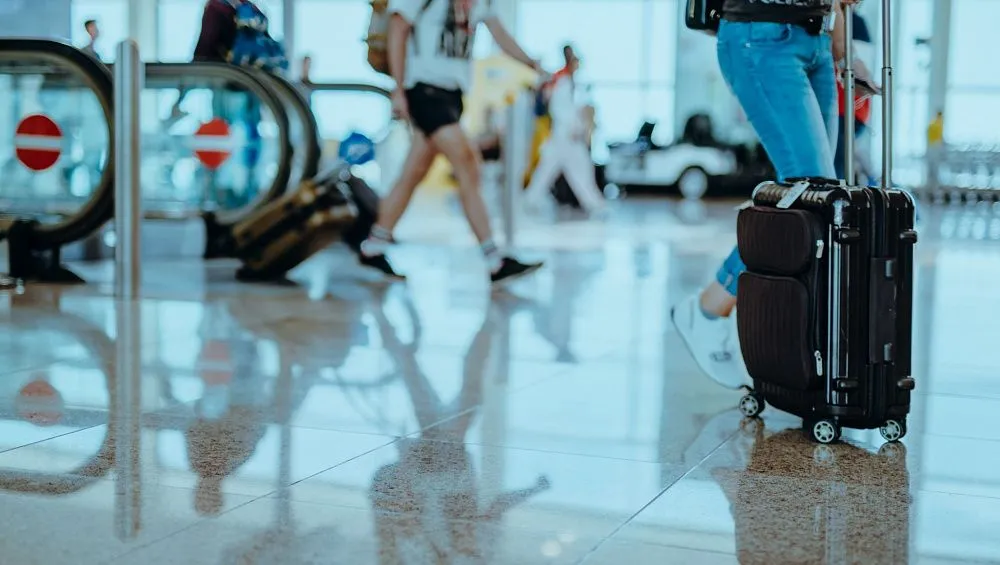
Most importantly, COMESA’s push for better air connectivity could remove one of tourism’s biggest obstacles: getting travellers across Africa without excessive costs, long journeys and complicated connections.
COMESA says liberalising air transport can increase competition, reduce fares and improve connectivity. Its air transport programmes support the Single African Air Transport Market, which seeks to liberalise intra-African aviation and expand market access for airlines.
Zimbabwe has already signed the commitment supporting the African single aviation market. Yet the region still suffers from weak direct connectivity. COMESA’s own analysis shows Zimbabwe’s air-connectivity index remains low compared with highly connected markets such as Egypt, Ethiopia and Kenya.
That is the paradox: Zimbabwe has the attractions, but regional tourists endure expensive costs and inconvenient ways to reach them.
Beyond the conference room
Zimbabwe’s growing reputation as a summit destination offers another route into the regional tourism market.
Harare and Victoria Falls have increasingly hosted major regional and international gatherings, bringing ministers, diplomats, business executives and investors into the country. Such meetings gives visitors an opportunity to experience Zimbabwe beyond the conference room.
Victoria Falls is particularly well positioned to combine business with leisure. A delegate attending a regional meeting can extend a trip to see Mosi-oa-Tunya (the Falls), visit Hwange National Park or travel to other destinations.
That conversion matters.
A conference delegate who returns home with a positive experience can become a repeat visitor, investor or informal ambassador for Zimbabwe.
But summit tourism alone cannot carry the industry.
Zimbabwe must convert diplomatic visibility into longer stays, repeat visits and higher spending.
The government’s emerging tourism strategy recognises this. Minister of Tourism and Hospitality Industry, Barbara Rwodzi has argued that arrival numbers alone do not tell the whole story.
Zimbabwe increasingly wants high-spending travellers who stay longer and spend across accommodation, transport, activities, food and shopping.
That approach could particularly benefit regional tourism, where proximity allows travellers to visit several destinations in a single trip.
A regional tourism circuit
COMESA countries collectively possess an extraordinary tourism portfolio – from Kenya’s safaris and Egypt’s ancient monuments to Ethiopia’s historical sites, Mauritius’ beaches, and Zimbabwe’s Victoria Falls, wildlife and heritage.
The opportunity is to market these destinations not as competing islands but as interconnected experiences.
Zimbabwe could, for example, strengthen tourism circuits linking Victoria Falls with Zambia’s Livingstone, Botswana and other destinations in the Kavango-Zambezi Transfrontier Conservation Area.
Such cross-border tourism would fit naturally into COMESA’s broader ambition to improve physical connectivity and reduce the cost of moving people and goods.
It could also spread tourism income beyond Victoria Falls and Harare into communities, conservation areas, transport businesses, restaurants, craft markets and small accommodation establishments.
The missing link: ordinary Zimbabweans
The real test of COMESA’s tourism dividend will not be the number of presidents attending the summit or hotel rooms occupied during the conference.
It will be whether regional integration creates opportunities for ordinary businesses and communities.
Zimbabwe’s community-based tourism sector has enormous potential through wildlife, cultural heritage, traditional foods, crafts and nature-based experiences. But remote communities still face inadequate roads, telecommunications, finance, marketing skills and tourism infrastructure.
COMESA itself acknowledges that poor physical connectivity, high transport costs and non-tariff barriers constrain regional integration.
That means Zimbabwe cannot simply advertise harder. It must make travel easier.
The country’s expanded Robert Gabriel Mugabe International Airport has increased annual passenger capacity from 2.5 million to 6 million, while Victoria Falls International Airport has also received infrastructure upgrades. But roads, rail, energy, water and telecommunications still require investment.
The opportunity is therefore bigger than tourism.
COMESA can provide the bridge. Zimbabwe must build the road across it.
If the country can combine regional air connectivity, easier cross-border movement, aggressive destination marketing and community participation, COMESA could help transform Zimbabwe from a convenient venue for regional summits into a regional tourism powerhouse.
The summit may bring the visitors.
The challenge is making them stay, spend, and come back.
New Ziana