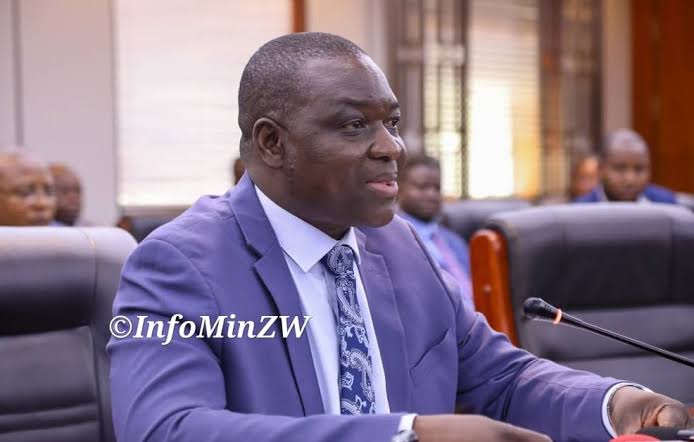
Harare, (New Ziana) – A community-built radio station in Mahenye is set to become a powerful platform for local voices, culture and development, with Information, Publicity and Broadcasting Services Minister Dr Zhemu Soda stressing the need to put communities at the centre of Zimbabwe’s communication landscape.
Speaking ahead of the official opening of Ndau Community Radio Station at Garahwa School in Mahenye, Chipinge, on Thursday, Dr Soda said the establishment of community radio stations was critical in ensuring that people in remote areas were not left behind in accessing information.
The station is particularly significant because the community itself contributed towards the construction of the building housing the broadcasting facilities, providing materials and labour as part of a community ownership model.
“We need to build a community that is more inclusive,” Dr Soda said, emphasizing the importance of ensuring that development and access to information reach people regardless of their circumstances.
He said communication initiatives should be designed with an understanding of the realities faced by ordinary people, particularly those living in communities where access to infrastructure and services is limited.
“We have to be able to see the world through the eyes of the people,” he said, stressing the importance of understanding communities from their own experiences and perspectives.
Dr Soda also highlighted the importance of ensuring that communities have access to information through platforms that are physically and socially accessible to them.
“Information is something that we have to learn,” he said, adding that community radio had an important role to play in bringing information closer to the people.
The Minister said the Government’s vision was to see community radio stations spread across the country’s administrative areas so that communities could have platforms through which they could access and share information relevant to their daily lives.
He also acknowledged the contribution of partners, particularly UNESCO, in supporting the development of community radio broadcasting in Zimbabwe.
“I want to thank UNESCO (and) to continue to ask that we continue to work together,” he said, indicating that Government would continue collaborating with development partners as more community stations are established.
The station’s location is also significant for a community that has historically faced challenges in accessing communication infrastructure.
The radio station creates an avenue through which residents can access local news, discuss development concerns, promote their culture and communicate issues affecting their communities.
Ndau Community Radio icomes at a time when Zimbabwe’s community broadcasting sector is expanding.
Zimbabwe’s community radio framework is governed by the Broadcasting Services Act and the Broadcasting Services (Community and Campus Radio Broadcasting Services) Regulations.
New Ziana