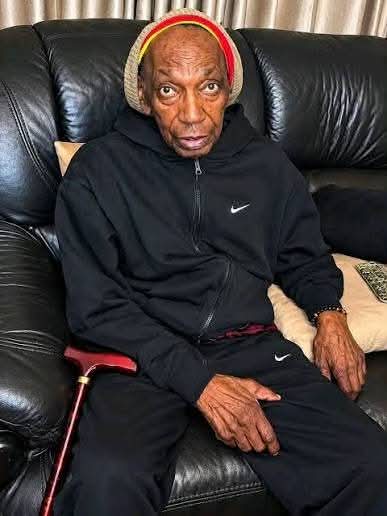

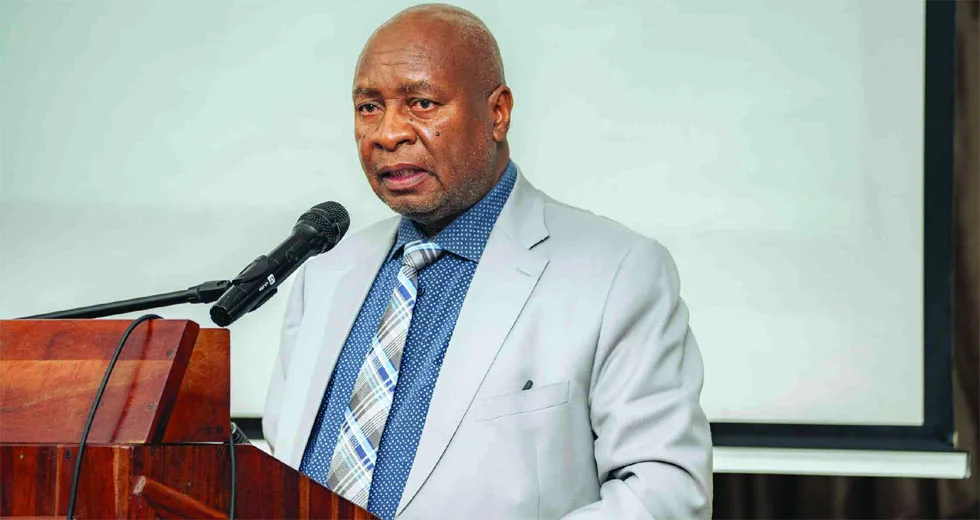
Maphisa, (New Ziana) —The Zimbabwe government has this year reached 1.7 million vulnerable people, including older persons, through the Food Deficit Mitigation Strategy, as it steps up efforts to protect households from hunger and destitution, a Cabinet Minister has said.
Minister of Public Service, Labour and Social Welfare Edgar Moyo said this while officiating at the International Day of Older Persons commemorations in Maphisa, Matobo district on Thursday.
The International Day of Older Persons is celebrated globally every year on October 1 to recognize the contributions of senior citizens and address aging issues.
This year the commemorations were held under the theme, “The age of longevity: Rethinking Systems for Longer Lives”.
Moyo added that the Zimbabwe Social Cash Transfers program had supported more than 71 000 households.
“Government is also finalising the Zimbabwe Livelihoods Support Program, which will strengthen household resilience through a revolving fund,” he said.
He said the measures were part of efforts to ensure older people do not face hunger or destitution, but have access to a basic level of economic security.
“Social protection systems should become more responsive to shocks, predictable and inclusive of older persons, including during emergencies,” he said, adding thzat the government assisted 42 354 returning migrants, including elderly people.
Moyo called for stronger systems to support the country’s ageing population, saying that longer lives should also be healthier, safer and more dignified.
“The time has come to strengthen our systems so that longer lives are healthier, safer and lived with dignity,” he said.
United Nations (UN) reports show that the global population aged 60 and above grew from 514 million in 1995 to 1.2 billion in 2025, and is projected to reach 2.1 billion by 2050.
Moyo noted that Zimbabwe was also part of that demographic change, describing increased longevity as progress linked to better health, knowledge and stronger communities.
He, however, said longevity without dignity, health, security and participation was incomplete, urging a shift in the way society views older people, who are agents of change rather than a burden or simply recipients of charity.
“Older persons are not a burden, nor are they merely beneficiaries of charity; they are agents of change,” he said.
Moyo said social protection was vital for older people who had worked in the informal sector, communal farming or unpaid family care and reached old age without pensions.
“Many older persons spent their lives in the informal sector, communal farming and unpaid family care, reaching old age without a contributory pension. Many are now caring for grandchildren with very limited resources,” he said.
He cited Section 82 of the Constitution, the Older Persons Act and the National Older Persons Policy as the legal basis for protecting older people’s rights.
“There is need for continued efforts to help them access health services, social protection, identity documents, housing and other essential services, while protecting them from abuse, neglect, exploitation and discrimination,” he said.
Moyo also called for age-friendly health services that focus on prevention as well as treatment.
“Older people face greater risks of chronic illness, non-communicable diseases, visual impairment and mobility challenges. Health facilities should provide integrated care, rehabilitation, palliative care, mental health support and essential medicines. Early detection is key to healthy ageing,” he said, adding community support was another system requiring attention.
“Migration, economic pressures and urbanisation are weakening traditional family and community safety nets and therefore there is need for renewed intergenerational solidarity,” Moyo said.
Moyo implored schools, churches, traditional institutions and families to create opportunities for older people and young people to share knowledge and skills.
He said the government would strengthen the implementation of Section 82 of the Constitution and the Older Persons Act, while completing the revised National Older Persons Policy.
“There are plans in place to improve coordination across Ministries, local authorities and partners, to strengthen data on older persons, and make their needs more visible in planning and budgeting. Government will also strengthen standards and support for residential care institutions while promoting community-based care that allows older persons to age in their communities,” he said.
New Ziana