Antony Chawagarira
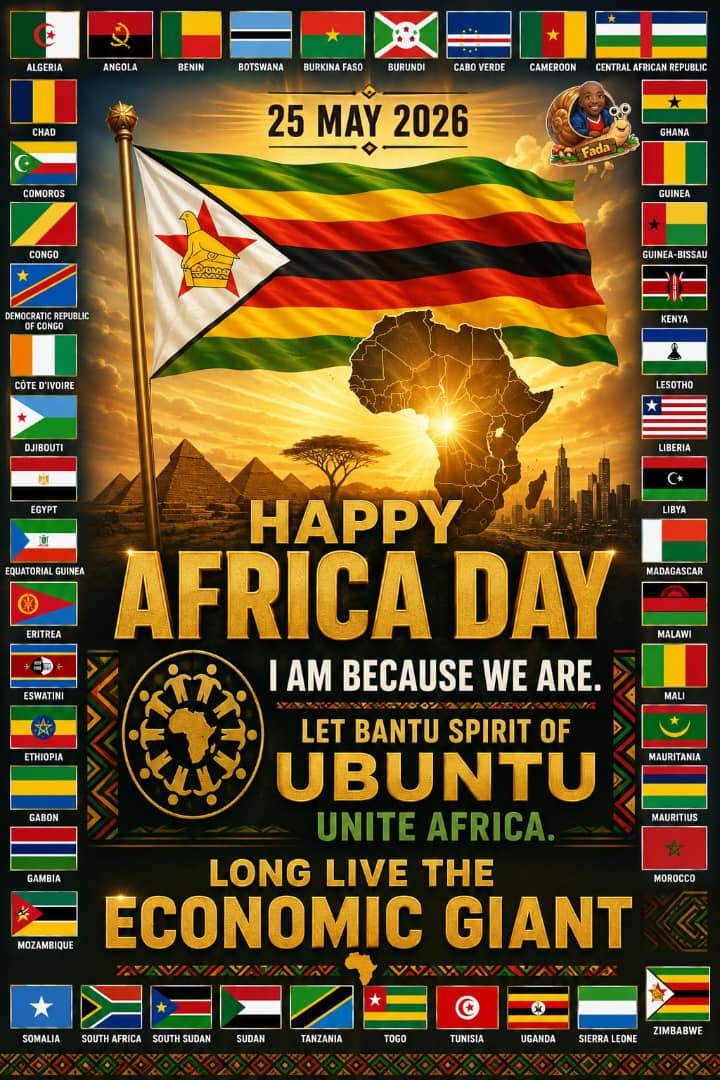
Every year on May 25, millions across the continent pause to celebrate Africa Day, a symbolic occasion that commemorates the founding of the African Union’s predecessor, the Organisation of African Unity (OAU), established in Addis Ababa, Ethiopia, in 1963.
For Zimbabweans, Africa Day is more than a ceremonial event marked by speeches, music and cultural exhibitions. It is a reminder of the country’s liberation history, African identity, resilience and the enduring dream of a united and prosperous continent.
As Zimbabwe joins the rest of Africa in commemorating the day, the celebrations arrive at a time when many citizens are reflecting deeply on the meaning of independence, economic empowerment and the future of African nations in a rapidly changing world.
Zimbabwe’s Minister of Sport, Recreation, Arts and Culture, Anselem Sanyatwe, said Africa Day remains an important platform for promoting African identity, cultural heritage and continental unity.“Africa Day reminds us of who we are as Africans and the importance of preserving our culture, history and values for future generations. It is also a moment to celebrate the resilience, creativity and potential of African people,” he said.
He added that Zimbabwe continues to support initiatives that promote Pan-Africanism, youth empowerment, arts, sport and cultural exchange as part of strengthening African unity and development.Africa Day traces its roots to the liberation struggles that swept across the continent during the 20th century. The founding fathers of independent Africa envisioned a continent free from colonial domination, racial oppression and foreign control.
Leaders such as Kwame Nkrumah, Julius Nyerere, Haile Selassie and many others believed African nations could only achieve meaningful development through unity, cooperation and self-determination.For Zimbabwe, the significance of Africa Day is inseparable from its liberation struggle.Thousands sacrificed their lives during the war against colonial rule, with support coming from fellow African nations that sheltered and trained freedom fighters.
Countries such as Mozambique, Zambia and Tanzania played critical roles in Zimbabwe’s path to independence in 1980.
As a result, Africa Day carries emotional and historical weight for many Zimbabweans who see it as a celebration of solidarity among African people.Across Zimbabwe, Africa Day commemorations are traditionally marked through cultural festivals, poetry, music, dance performances and public discussions centered on Pan-Africanism and African identity.Schools, universities, churches, youth groups and civic organisations often participate in activities promoting African heritage and unity.
This year’s commemorations come amid growing calls for Africans to preserve their cultural identity while embracing innovation, education and economic transformation.For many young Zimbabweans, Africa Day is increasingly becoming a moment to reflect on unemployment, migration, inequality and the continent’s untapped potential.Despite economic hardships facing many African countries, there remains strong belief that Africa possesses the natural resources, youthful population and intellectual capital necessary to shape its own destiny.
To ordinary Zimbabweans, Africa Day represents pride in heritage, language, culture and survival.It reminds citizens that Africa’s story is not solely defined by poverty, conflict or dependency, but also by resilience, creativity and achievement.Zimbabweans have continued to distinguish themselves in education, sport, mining, agriculture, arts and entrepreneurship across the continent and beyond.
The day also rekindles conversations around African solutions to African problems, encouraging leaders to strengthen regional cooperation, trade and infrastructure development under initiatives such as the African Continental Free Trade Area (AfCFTA).
For many citizens, however, Africa Day also raises difficult questions about governance, corruption, economic inequality and the pace of development across the continent.Some argue that while political independence was achieved decades ago, many African nations are still battling economic dependency and social instability.Yet others maintain that Africa’s future remains promising if governments invest in youth empowerment, industrialisation, technology and education.
As Zimbabwe commemorates Africa Day, attention increasingly turns toward the next generation.Young Africans are now leading conversations around digital innovation, climate change, entrepreneurship, creative industries and continental integration.
The continent’s future may ultimately depend on how effectively African nations harness their youthful populations and abundant resources.
Africa Day therefore stands not only as a celebration of the past, but as a call to action for the future.For Zimbabweans, it is an opportunity to honour liberation heroes, celebrate African identity and renew hope for a continent capable of defining its own future through unity, dignity and shared progress.While challenges remain, Africa Day continues to inspire millions with the belief that the African dream is still alive — and that the continent’s greatest chapter may yet be ahead.