
By Johnson Siamachira
Harare, September 21,2026(New Ziana) — Africa has only about 65,000 wildlife and marine rangers to protect its vast network of wild areas, less than one-fifth of the estimated 345,000 needed to effectively safeguard the continent’s protected and conserved areas, conservation organisations say.
The shortage puts more than wildlife at risk. It also threatens tourism, jobs and other economic activities that depend on healthy ecosystems, as thousands of rangers struggle to patrol huge landscapes, prevent poaching, respond to human-wildlife conflicts and monitor wildlife populations.
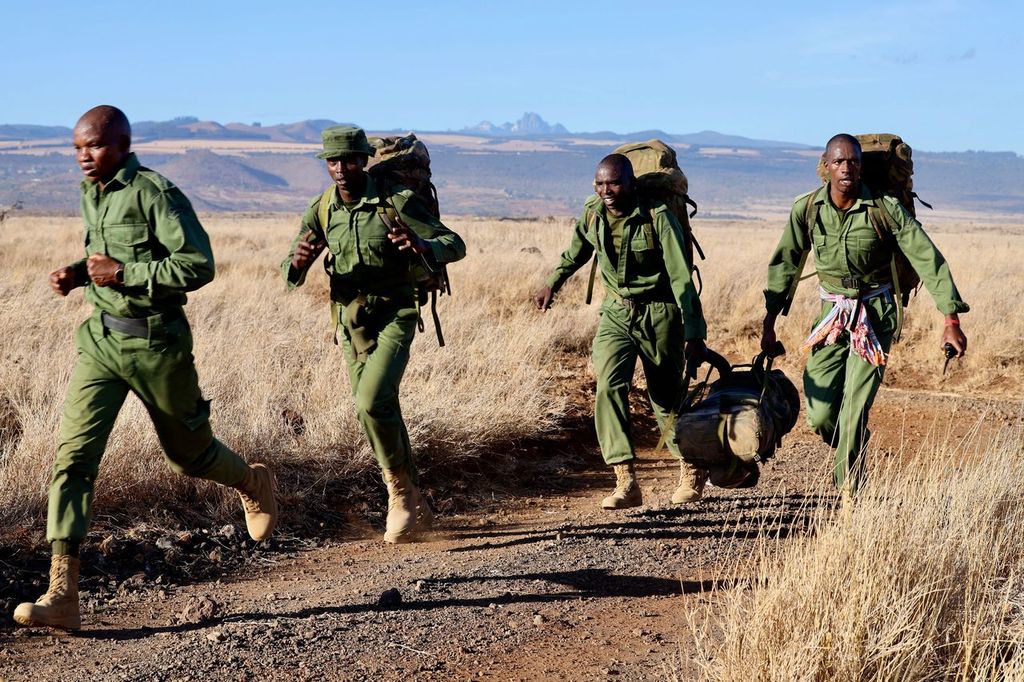
The warning came into sharp focus on Saturday when more than 2,000 wildlife and marine rangers from 21 African countries completed simultaneous 21-kilometre races, carrying up to 22 kilogrammes of operational equipment.
The seventh annual Wildlife Ranger Challenge, organised by conservation charity Tusk and the Game Rangers Association of Africa, brought together 166 teams across the continent. The event combines physical and mental challenges, with fundraising for ranger welfare, equipment and training.
Tusk says the campaign has raised more than US$25 million since 2020 and supported or engaged more than 11,500 rangers. Organisers expect the 2026 campaign to raise a further US$3 million.
The funding comes as conservation groups warn that Africa’s existing ranger workforce cannot adequately cover the continent’s protected areas. Tusk estimates that about 345,000 rangers are needed, leaving a gap of roughly 280,000 personnel.
For countries such as Zimbabwe, the shortage carries an economic dimension.
Zimbabwe’s first Biodiversity Economy Report published in 2023 found that more than 33 per cent of foreign tourists visited state protected areas in 2019, with nature-based tourism generating 4.1 per cent of GDP and 5.6 per cent of national employment. Sport hunting contributed about US$33 million to GDP, while the average international hunter spent about US$28,859 inside Zimbabwe.
The broader tourism economy has since shown renewed growth. Zimbabwe recorded at least 792,000 domestic and international tourist arrivals in the first half of 2026, while tourism receipts rose 6 per cent to US$537 million from US$508 million during the same period in 2025. Tourism investment also jumped to US$132.3 million from US$40.2 million.
The figures underline the economic value of protecting the wildlife and natural landscapes that attract visitors to destinations such as Victoria Falls, Hwange National Park, Kariba, Nyanga and Gonarezhou National Park.
The country’s 2026 Sanganai/Hlanganani World Tourism Expo in Masvingo drew a record 405 exhibitors and 153 buyers, including 125 international buyers, compared with 340 exhibitors and 89 international buyers at the 2025 edition.
Conservation funding initiatives such as the Wildlife Ranger Challenge seek to address part of the resource gap while governments and protected-area authorities grapple with the much larger workforce deficit.
The challenge has also supported the Ranger Welfare Standards Initiative, which seeks to improve insurance, safety, training and other working conditions for rangers.
Tusk Chief Conservation Officer, Chantal Migongo-Bake said the event highlights the need for proper equipment, fair pay, insurance and long-term investment in the conservation workforce.
The stakes extend beyond individual protected areas. Africa contains nearly a quarter of the world’s terrestrial mammal species and about one-sixth of its plant life.
Governments have committed under the Kunming-Montreal Global Biodiversity Framework to effectively conserve at least 30 per cent of terrestrial, inland-water, coastal and marine areas by 2030.
Without enough trained and adequately equipped rangers on the ground, conservation authorities face a growing challenge in protecting those landscapes, and the tourism and livelihoods that depend on them.
New Ziana