Staff Reporter
KADOMA – Agriculture, Mechanisation and Water Resources Development Minister Dr. Anxious Jongwe Masuka has taken the Government’s Six-Pillar Drought Response Plan to provincial structures, urging authorities to strengthen preparedness and ensure that interventions reach farmers and communities in time.
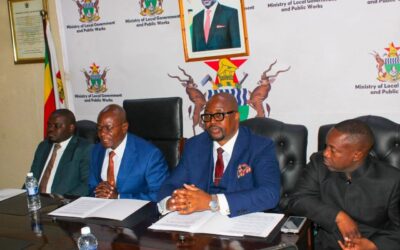
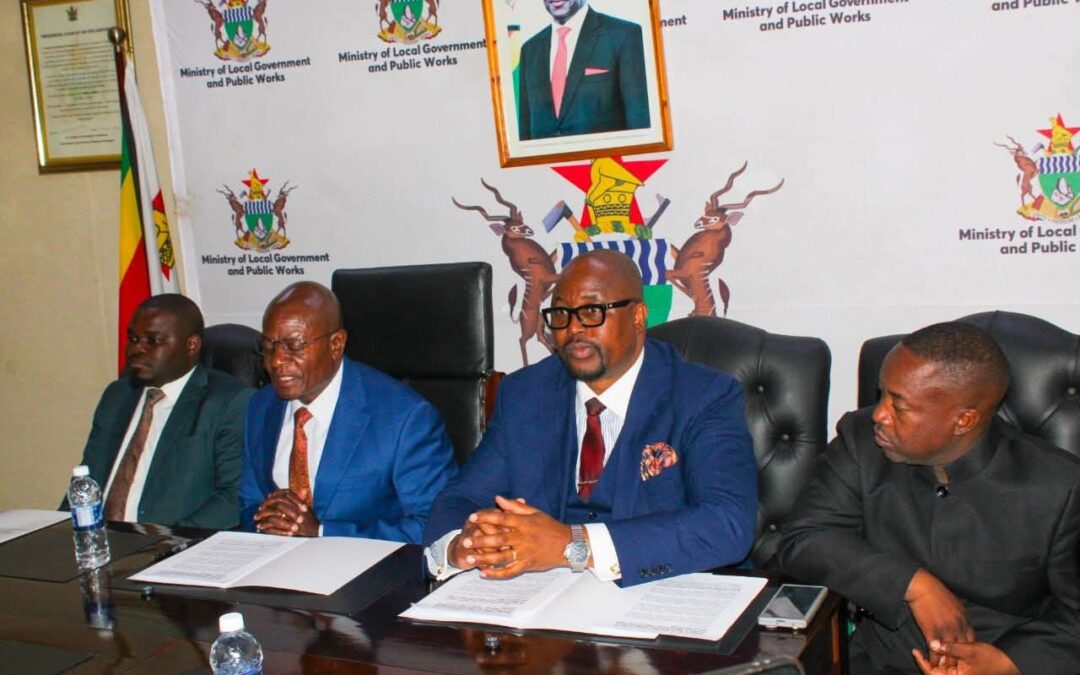
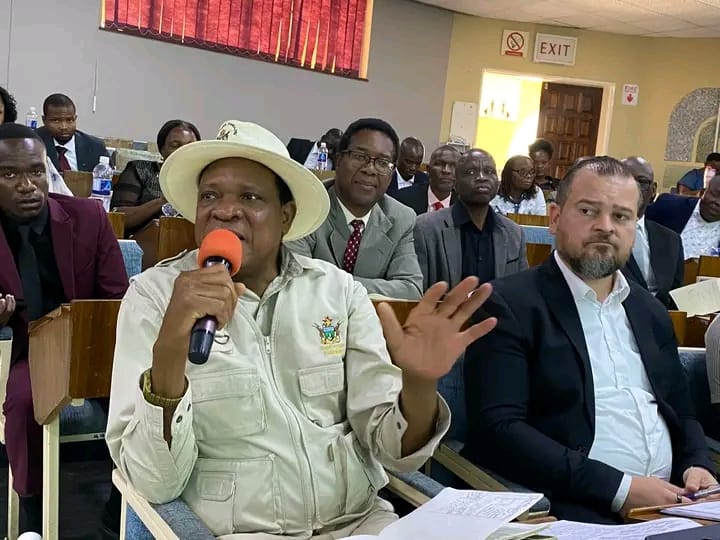
Dr. Masuka convened an interactive coordination meeting in Kadoma with Ministers of State for Provincial Affairs and Devolution, provincial agricultural directors, chief directors, and senior agricultural officials, as the Government moves to translate the national drought response into practical action at the provincial, district, ward, and community levels.
The meeting comes against the backdrop of the 2026/2027 rainfall outlook, which indicates below-normal rainfall across the country, highlighting the need for early interventions to protect agricultural production, livestock, and livelihoods.
Dr. Masuka said the effectiveness of the national response would depend largely on implementation at the grassroots level, where farmers are directly affected by weather conditions.
The Six-Pillar Drought Response Plan focuses on strengthening strategic grain reserves, accelerating climate-smart agricultural production, establishing an integrated financing architecture, mitigating the impact of drought on livestock, enhancing food imports, and improving coordination, early-warning systems, and capacity building.
The Government says these measures are aimed at ensuring that the country remains prepared for possible drought-related challenges while sustaining production and protecting national food security.
The response is also expected to involve traditional and community leadership structures, with President Emmerson Mnangagwa set to engage Chiefs, Headmen, and Village Heads on preparedness measures.
The engagement is expected to strengthen the flow of information from national leadership through provincial and local structures to communities, enabling farmers to make informed decisions before and during the cropping season.
The Government has maintained that the response is centred on preparedness and early action rather than panic, with authorities expected to coordinate interventions, protect livelihoods, and encourage continued agricultural production despite the anticipated unfavourable rainfall conditions.
Therefore, the provincial coordination meeting is expected to serve as a key link between national policy and implementation on the ground as the Government intensifies preparations for the 2026/2027 agricultural season.