By Johnson Siamachira
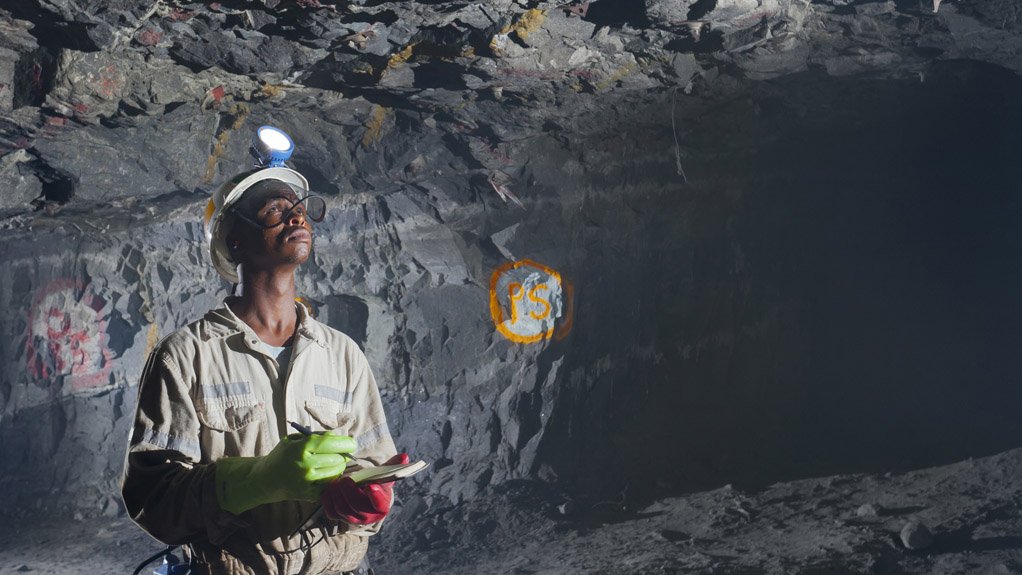
Harare, (New Ziana) — A national dialogue aimed at expanding access to finance for artisanal and small-scale gold miners got underway in Harare on Thursday.
This follows strong efforts by government, financial institutions and development partners to accelerate the formalisation of a sector that produces more than 60 per cent of the country’s gold, organisers said.
PlanetGOLD Zimbabwe Project is hosting the one-day workshop, under the theme: “Unlocking Responsible Finance for Formalised Artisanal and Small-Scale Gold Miners(ASGM): Pathways to Investment, Business Growth and Mercury-Free Mining.”
The meeting brings together representatives from government ministries, commercial banks, mining associations, development partners, private investors and artisanal and small-scale gold miners to identify practical financing solutions for responsible mining enterprises.
The dialogue comes as Zimbabwe intensifies efforts to formalize its artisanal and small-scale gold mining sector, improve environmental compliance and reduce mercury pollution.
Although the sector contributes the majority of Zimbabwe’s gold production and provides livelihoods for hundreds of thousands of people, many miners remain excluded from formal financial services because they lack collateral, legal documentation and verifiable production records. Organizers say improving access to finance will enable miners to invest in safer, mercury-free technologies, strengthen environmental stewardship and increase participation in traceable international gold markets.
Nyaradzo Mutonhori, planetGOLD Zimbabwe Project Manager, said the workshop seeks to bridge the long-standing financing gap that has constrained the growth of responsible artisanal mining.
“Access to finance remains one of the biggest barriers facing artisanal and small-scale gold miners. This dialogue will bring together key stakeholders to identify practical financing solutions that support formalised mining businesses while promoting responsible, mercury-free gold production,” Mutonhori said.
She said expanding financial inclusion would benefit miners, financial institutions and the broader economy.
“Responsible finance is essential for unlocking investment, improving business performance and strengthening traceable gold supply chains. We want to create pathways that allow miners who are operating legally and responsibly to access financial products that match their business needs,” she said.
Mutonhori said the discussions would focus on developing financial products that recognise the realities of artisanal mining while encouraging compliance with environmental and regulatory standards.
“Formalisation opens doors to financial services, better markets and sustainable mining practices. Through this dialogue, we hope to strengthen partnerships between miners, government, banks and development partners to create financing models that work for the sector,” she said.
The workshop will also examine financial products available to artisanal miners, barriers limiting access to credit, strategies for improving financial inclusion and investment opportunities that support formalisation, business growth and mercury-free mining.
According to the organisers, the event forms part of broader efforts to strengthen formalised artisanal mining enterprises, promote traceable gold supply chains and accelerate the adoption of environmentally sustainable mining technologies.
The planetGOLD Zimbabwe Project is a five-year initiative funded by the Global Environment Facility, led by the United Nations Environment Programme and implemented by IMPACT in partnership with Zimbabwe’s Ministry of Mines and Mining Development, the Ministry of Environment, Climate and Wildlife and the Environmental Management Agency.
The project promotes an integrated approach to reducing mercury use in Zimbabwe’s artisanal mining sector by strengthening environmental protection, improving economic inclusion and supporting responsible mining practices.
Artisanal and small-scale gold mining has become one of Zimbabwe’s most important economic sectors, accounting for more than 60 per cent of national gold deliveries in recent years. The industry supports hundreds of thousands of miners directly and indirectly, particularly in rural communities where mining has become a major source of employment and household income.
Despite its economic importance, most artisanal miners have historically depended on informal financiers, gold buyers and private syndicates because commercial lenders considered the sector too risky.
New Ziana