Antony Chawagarira
A growing debate over the commercial performance of music by Zimbabwean artistes has erupted, with some musicians questioning whether tribute performances can cross the line into exploitation of their creative works, identities and artistic brands.
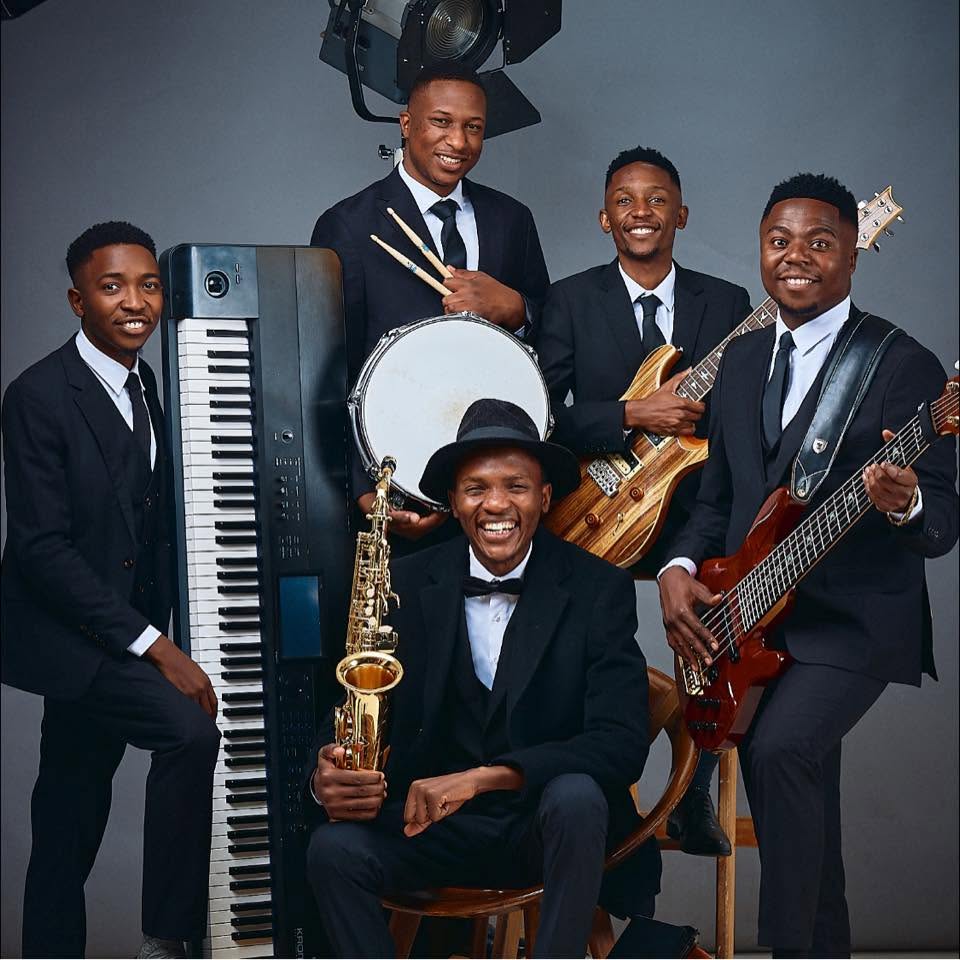
The debate follows performances by InTotal Band, which has built its Legends Night concept around recreating songs associated with Zimbabwean music legends, including living artistes.
The band has performed faithful renditions of works by artistes such as Alick Macheso, Fungisayi Zvakavapano Mashavave, Oliver Mtukudzi, Tongai Moyo, Simon Chimbetu and other celebrated musicians.
While the concept has been praised for preserving Zimbabwe’s musical heritage and introducing younger audiences to classic songs, some artistes are now demanding greater consultation where their works, identities and distinctive performance styles are commercially exploited.
Gospel musician Fungisayi Zvakavapano Mashavave has reportedly raised concerns over the performances, arguing that artistes should be approached for dialogue when their works and artistic identities are being commercially utilised.
Sungura star Alick Macheso has also urged InTotal to engage his management, signalling the need for dialogue between the band and artistes whose repertoires form part of the Legends Night concept.
The controversy has now moved beyond the question of whether musicians can legally perform another artiste’s song to a broader debate about moral rights, artistic identity and commercial benefit.
One artiste, in an emotional statement, questioned why performers should be allowed to reproduce not only songs but also an artiste’s mannerisms, movements, dress and overall stage persona without consultation, particularly when the performances are being used to attract corporate sponsorship and commercial value.
“Why replace me at a nominal fee and create unfair market competition for me using my personality, music, mannerisms, and creativity?”
The artiste argued that tribute should not become a mechanism through which an original creator is sidelined while others commercially benefit from the creator’s body of work and identity.
Zimbabwe’s Copyright and Neighbouring Rights Act [Chapter 26:05] gives copyright owners exclusive rights over, among other things, reproduction, publication, public performance, broadcasting and adaptation of musical works, subject to the Act’s limitations and exceptions.
The legislation also provides for moral rights, including the right of the author of a musical work or lyrics to be identified as the author in specified circumstances, as well as the right to object to derogatory treatment of a work. Moral rights can be enforced under the Act.
The law further provides for licensing of economic rights, meaning the question of permission and licensing can become important when copyrighted works are commercially exploited.
However, the dispute raises a more complicated question: where does a lawful cover or tribute end and impersonation, passing off or exploitation of an artiste’s distinctive identity begin?
InTotal’s Legends Night has previously been described as a cultural initiative aimed at reviving Zimbabwe’s musical heritage, with the band recreating songs from different generations. The concept has attracted substantial corporate backing, including Ecobank, and has drawn large audiences.
The latest concerns therefore place Zimbabwe’s music industry at an important crossroads — balancing the preservation and reinterpretation of musical heritage with the rights of living artistes to control and benefit from their creative works and identities.
The debate also raises questions for copyright administrators, promoters, corporate sponsors, collecting societies and policymakers on whether existing legal and licensing mechanisms adequately protect artistes in an increasingly commercial live-performance environment.
For the affected artistes, however, the issue is not opposition to young musicians performing their songs. It is about consent, recognition, fair compensation and respect for the original creators.
As the debate gathers momentum, calls are growing for artistes and InTotal Band to sit down and resolve the matter through dialogue before what began as a celebration of Zimbabwe’s musical heritage develops into a wider legal and industry dispute.