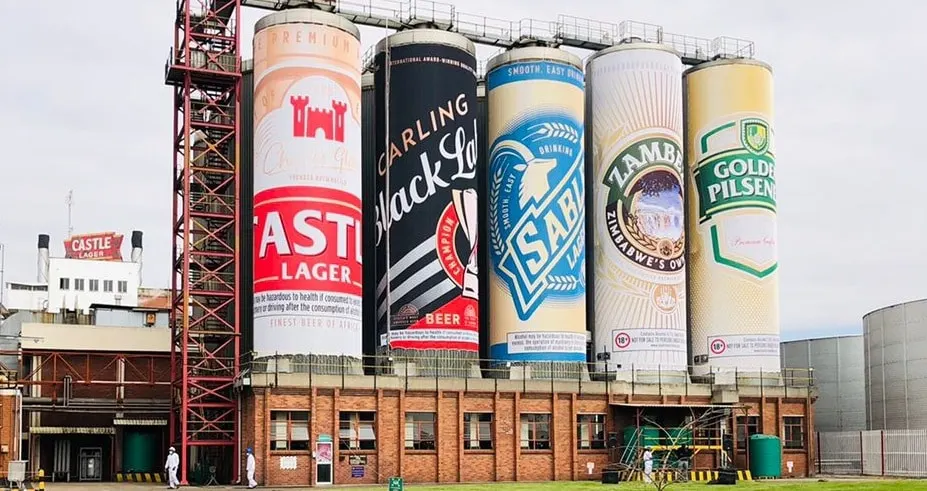
Harare, (New Ziana)-Delta Beverages on Tuesday said the introduction of sugar tax last year has resulted in a significant decline in volumes of between 15 to 20 percent, as it impacts the cost structure.
Appearing before the Parliamentary Portfolio Committee on Industry and Commerce, Delta Beverages finance director Alex Makamure attributed the reduced volumes of soft drinks to the effects of Zimbabwe’s sugar tax, combined with a surge in low-cost regional imports.
“For most of 2024, we are seeing volume reductions of between 15 percent and 20 percent. These volumes were only sustained by the discounting that I spoke of. We saw a big collapse of our branded beverages, particularly Mazoe, in all the things that were selling at that moment,” he said.
The sugar tax, introduced last year at a rate of US$0.001 per gram of sugar (after initial proposals of US$0.02/g), has had a far-reaching impact on pricing, pushing consumers towards cheaper alternatives.
Makamure said Delta Beverages was absorbing the sugar tax to ensure its products maintain their competitiveness and market share.
“We saw our volumes collapsing, and because we were engaged with Government, we had to absorb this sugar tax, and we are still absorbing and discounting this sugar tax cost in our final prices. We were only priced at $1 for 4 in December 2022. As of today, we are running our 300 ml soft drinks at $1 for 4 hoping that our consultations with authorities will make them seeing then that these businesses are collapsing,” he said, adding cheap imports had also become a challenge.
“All the Coca-Cola that we were seeing in places like Mbare and other high-volume markets was coming out of Mozambique. The sugar tax out of Mozambique is very low compared to the whole world. So it’s cheaper to make products there. Mozambique is not the only source of pricing pressure. Zambia, with more liberal commercial trade provisions, has also become a major channel for both formal and informal imports,” he said.
Zimbabwe has a sugar tax, officially called the Special Surtax on Sugar Content, implemented on specified beverages. The tax is levied on the sugar content of beverages, with the initial rate of US$0.002 per gram of sugar reduced to US$0.001 per gram in response to industry concerns.
The revenue generated from this tax is intended to fund the procurement of cancer treatment equipment and supplies.
New Ziana