Antony Chawagarira
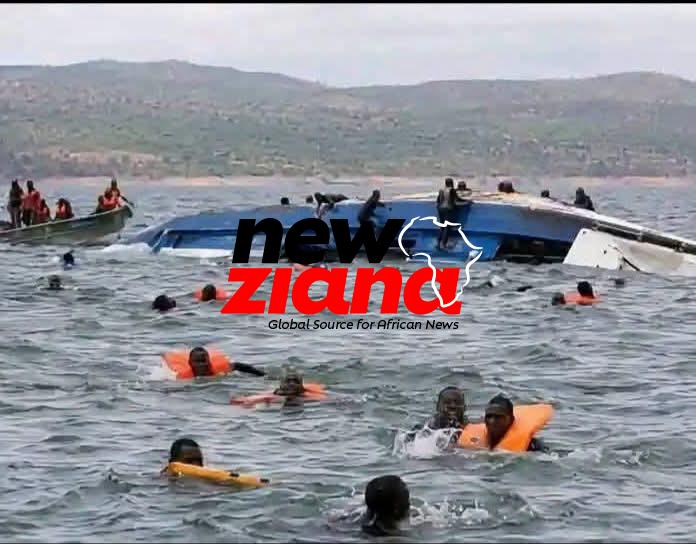
THE number of people confirmed dead in the Mbuya Nehanda boat tragedy is fast approaching 100, with the latest recovery of bodies from Lake Kariba deepening concerns over the actual number of passengers who were aboard the ill-fated vessel.
The Zimbabwe Republic Police on Monday said the death toll had risen to 92 after eight more bodies were recovered, while 77 people had been rescued alive following the disaster near Long Island on August 11.
The latest developments have intensified fears that more people could still be missing, with authorities yet to establish the exact number of passengers and crew who were aboard the ferry when it capsized.
The uncertainty has raised fears that the final death toll could be significantly higher, particularly amid reports that some children travelling on the vessel may not have been included in passenger counts.
Initial police reports indicated that the vessel was carrying 90 people, excluding five crew members.
However, subsequent figures have differed sharply.
Local Government and Public Works Minister Daniel Garwe reportedly put the number aboard at 119, comprising 114 adult passengers and five crew members, while a RIDA security officer told journalists that 153 people, including children, were on board.
The absence of an accurate passenger manifest has complicated efforts to establish how many people remain missing.
The tragedy has also raised questions over the vessel’s operating conditions, with survivors reporting that it was sailing with only one functioning engine when it encountered rough conditions on Lake Kariba.
Survivors said passengers had raised concerns about the weather before departure after strong winds caused luggage to fall from the vessel while it was still at harbour.
About 30 minutes into the journey, large waves reportedly began washing over the boat, resulting in water accumulating inside the vessel.
Some survivors said they pleaded with the captain to turn back or seek shelter at Long Island, but the journey continued.
Water eventually entered the engine compartment and submerged the mechanical bilge pump, reportedly preventing it from removing the incoming water.
The remaining engine subsequently stopped, leaving the vessel without propulsion as it turned broadside to the waves before capsizing.
Some passengers struggled to access or use life jackets during the disaster, while others survived by clinging to floating objects or climbing onto the overturned hull.
Meanwhile, rescue teams continue to battle difficult conditions as they search the lake for more victims.
Divers from the Zimbabwe Republic Police Sub-Aqua Unit and the Zimbabwe National Army Boat Squadron have been operating in deep and drifting waters.
One diver reportedly said the search began at a depth of about 51 metres before the wreck drifted to approximately 74 metres towards the Zambian side.
Zimbabwe has had to seek permission to enter Zambian waters as the search area continues to shift.
The growing death toll has made the establishment of a definitive passenger list increasingly urgent, with families still struggling to establish the whereabouts of relatives who may have been aboard.
Authorities have urged relatives of missing persons to report to the Command Centre in Kariba to assist with the identification and verification process.
With the death toll now at 95, the Mbuya Nehanda tragedy has become one of the deadliest maritime disasters in Zimbabwe’s history, while the true number of people who perished may only become clear once the recovery operation and passenger verification process are completed.