
Bulawayo, (New Ziana) – Bulawayo province is positioning itself to reclaim its status as Zimbabwe’s industrial hub through renewed industrialisation, value addition and import substitution initiatives anchored on the Zimbabwe National Industrial Development Policy 2 (ZNIDP2), a senior government official said on Wednesday.
Speaking at the Zimbabwe National Industrial Development Policy 2, Consumer Protection Policy and Local Content Strategy breakfast meeting Bulawayo Provincial Affairs and Devolution permanent secretary, Paul Nyoni said the city was ready to play a leading role in advancing the country’s industrial transformation agenda.
“Bulawayo, once the industrial powerhouse of this nation, is on the journey of reclaiming its crown and stands ready to play a leading role in advancing the objectives of this policy,” he said.
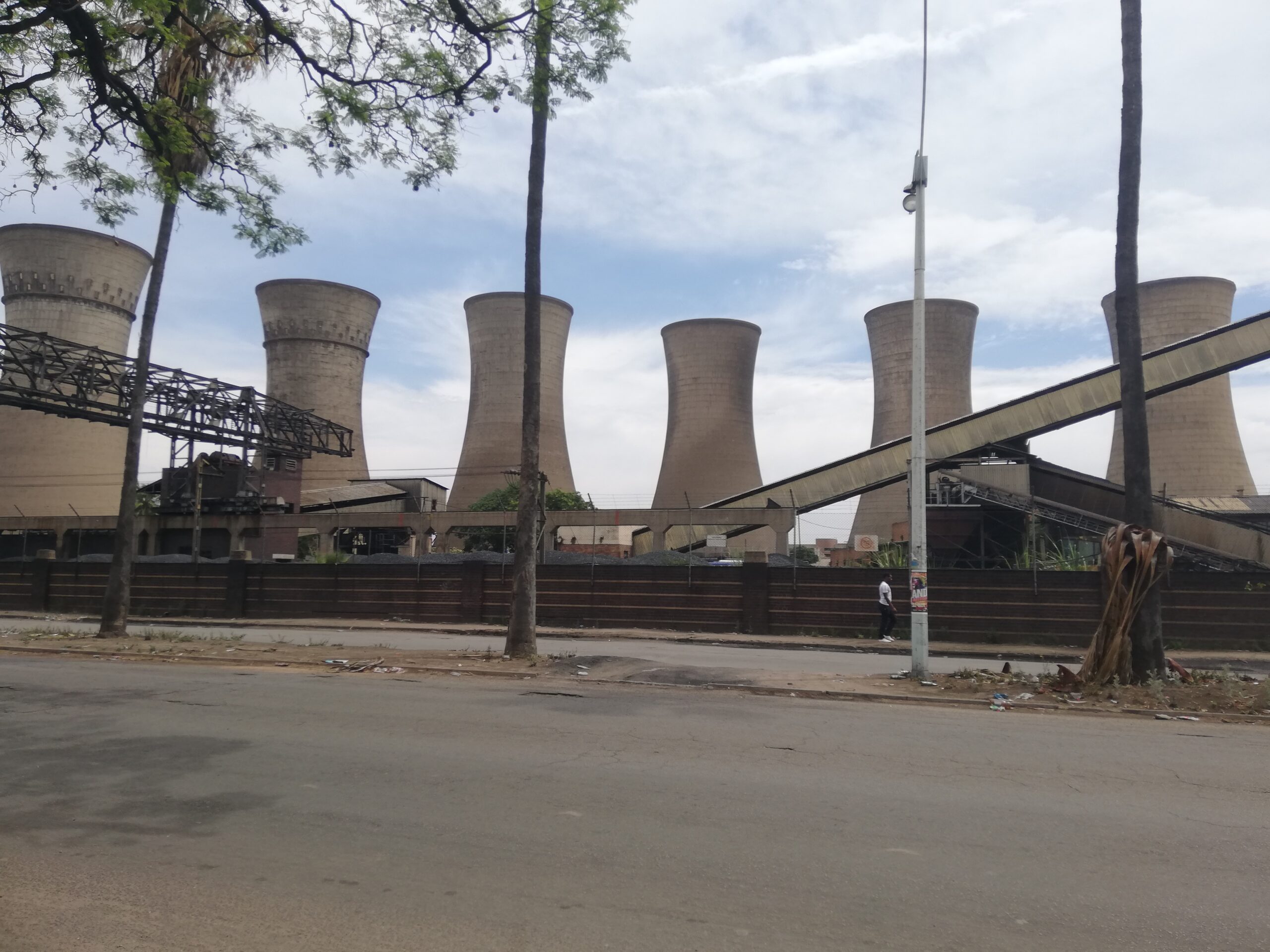
For decades, Bulawayo was regarded as the country’s manufacturing capital, home to major textile, engineering, leather, food processing and metal industries that drove employment and economic activity.
However, the city experienced significant de-industrialisation over the years due to company closures, obsolete machinery, liquidity challenges and reduced investment.
Authorities now believe the new industrial frameworks could help revive production, restore investor confidence and unlock opportunities for local industries.
Nyoni said the newly approved policies, the ZNIDP2 for 2026-2030, the Consumer Protection Policy 2026-2030 and the Local Content Strategy 2026-2035 provide a practical roadmap for industrial recovery and economic resilience.
“At the provincial level, it is a practical roadmap for industrialisation, value chain development and import substitution.
“These are not abstract ambitions, but concrete pathways towards sustainable job creation, economic resilience and increased contribution to national development,” he said.
Nyoni said Bulawayo’s strategic position, industrial heritage and skilled workforce made the province central to Zimbabwe’s economic transformation agenda.
“The success of these frameworks will reflect in the growth of industrial activity, innovation and productivity within our province. Bulawayo continues to serve as a key engine of national development,” he said.
He said the policies would help align local enterprises with national priorities while promoting the “Made in Zimbabwe” vision focused on local production and beneficiation of the country’s natural resources.
“Industrialisation cannot be achieved in isolation. It requires strong collaboration, shared vision and coordinated action.
“It demands a collective commitment to the Made in Zimbabwe vision, one that prioritises local production, value addition and the full utilisation of our God-given resources,” he said.
Nyoni said devolution remained critical in ensuring that industrial development was realised at provincial and community levels.
“The principle of devolution reminds us that true development must be realised at the local level. Today’s engagement ensures that enterprises of all scales within our province are equipped, aligned with national priorities and able to leverage available opportunities,” he said.
Nyoni also called on industry, academia, business associations and development partners to actively participate in implementing the policies.
“Every step we take towards strengthening local industry brings us closer to economic sovereignty, resilience and inclusive prosperity for our people,” he said.
New Ziana