Norman Dururu
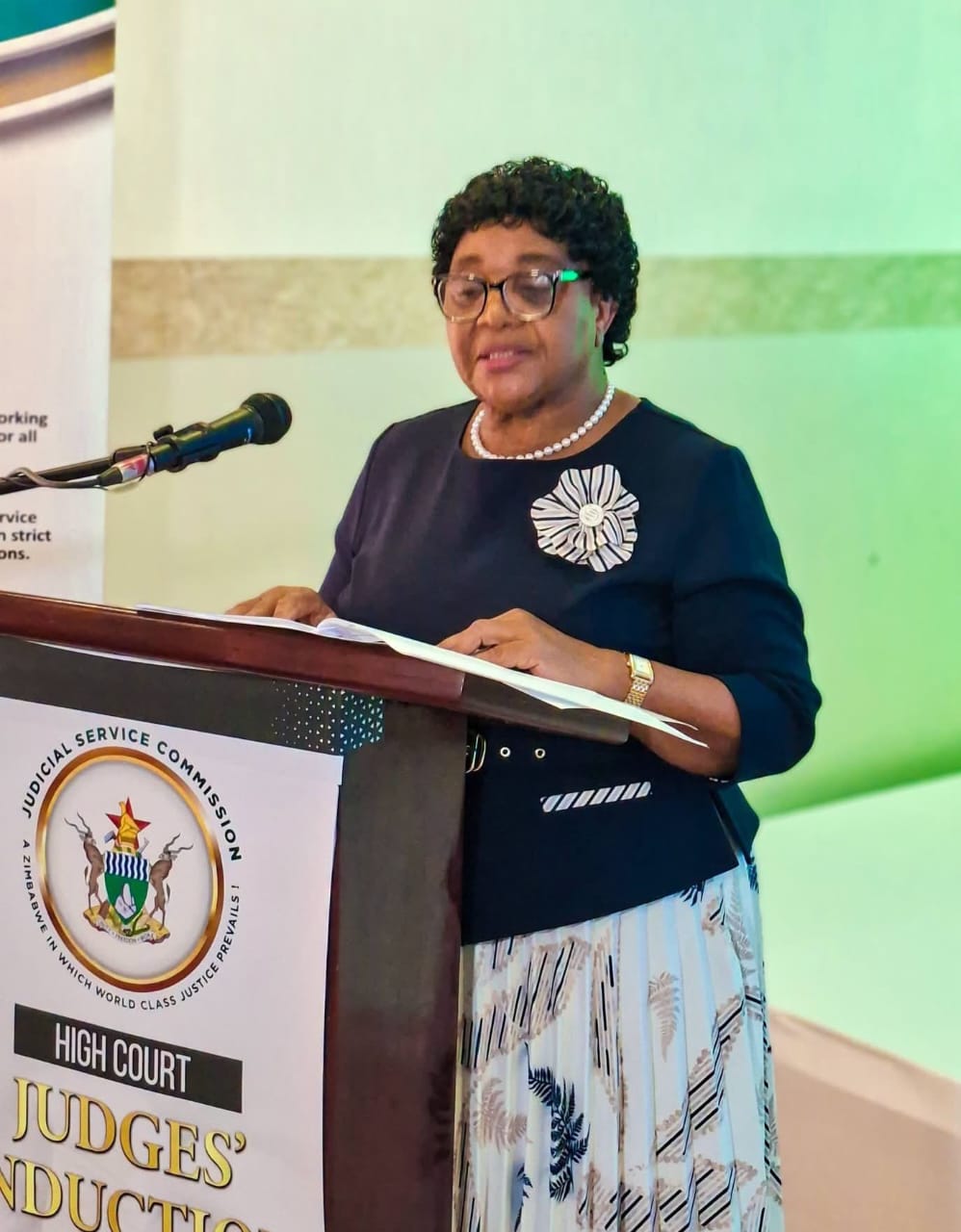
GWERU – Chief Justice Elizabeth Gwaunza has urged the country’s newly appointed High Court judges to approach the bench with humility, integrity, and self-restraint, reminding them that judicial office is not a declaration of infallibility.
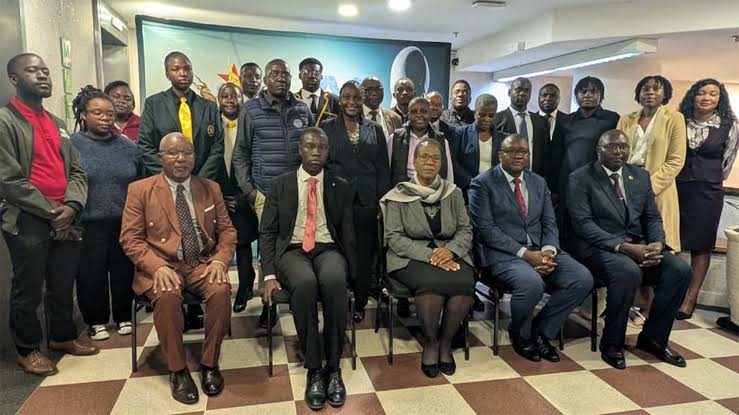
Speaking at an induction workshop for the 15 recently appointed High Court judges, Justice Gwaunza said attaining judicial office should never lead judges to forget the values and personal qualities expected of those entrusted with administering justice.
She said judges should remain intellectually humble and accept that their decisions could be challenged, reviewed, or overturned as part of the judicial system.
“Your judgments may be appealed. Some may be overturned. That is part of a judicial system built upon review, correction, and the development of the law.
Justice Gwaunza said what mattered was that judges reached their decisions conscientiously and independently, after proper consideration of the law and facts before them.
She also challenged the new judges to understand that being “fit and proper” for judicial office goes beyond professional qualifications and experience.
Section 179(2) of the Constitution provides that a person appointed as a High Court judge must be “fit and proper,” which calls for honesty, integrity, and impartiality.
“It means fairness. It means reliability. It means diligence and time consciousness. It means respect for every person who comes before you. It means obedience to the law you have been entrusted to administer,” Justice Gwaunza said.
“It means exercising self-restraint even in circumstances where an ordinary citizen might feel entitled to do otherwise.”
She said the 15 judges from diverse professional backgrounds represented the highest number of High Court judges appointed at the same time, creating an expectation among Zimbabweans that the investment in the judiciary would result in more accessible, efficient, impartial, and high-quality justice.
She reminded the judges that their authority was derived from the people of Zimbabwe and, therefore, should never be treated as personal power.
Section 162 of the Constitution provides that judicial authority is derived from the people of Zimbabwe and is vested in the courts.
Judicial Service Commission Secretary Dr. Walter Chikwana said the induction was intended to prepare the newly appointed judges for their responsibilities.
“These judges are coming from different spheres of practice. So, they are all being brought together now so that they are made aware of the job at hand,” he said.
Dr. Chikwana said the resource persons—mainly judges from the Constitutional Court, Supreme Court, and High Court, including the Judge President—would equip the new judges with the necessary knowledge before they begin adjudicating matters.
He added that a similar induction would be conducted for newly appointed Labour Court judges in the coming weeks.