Sharon Chikowore
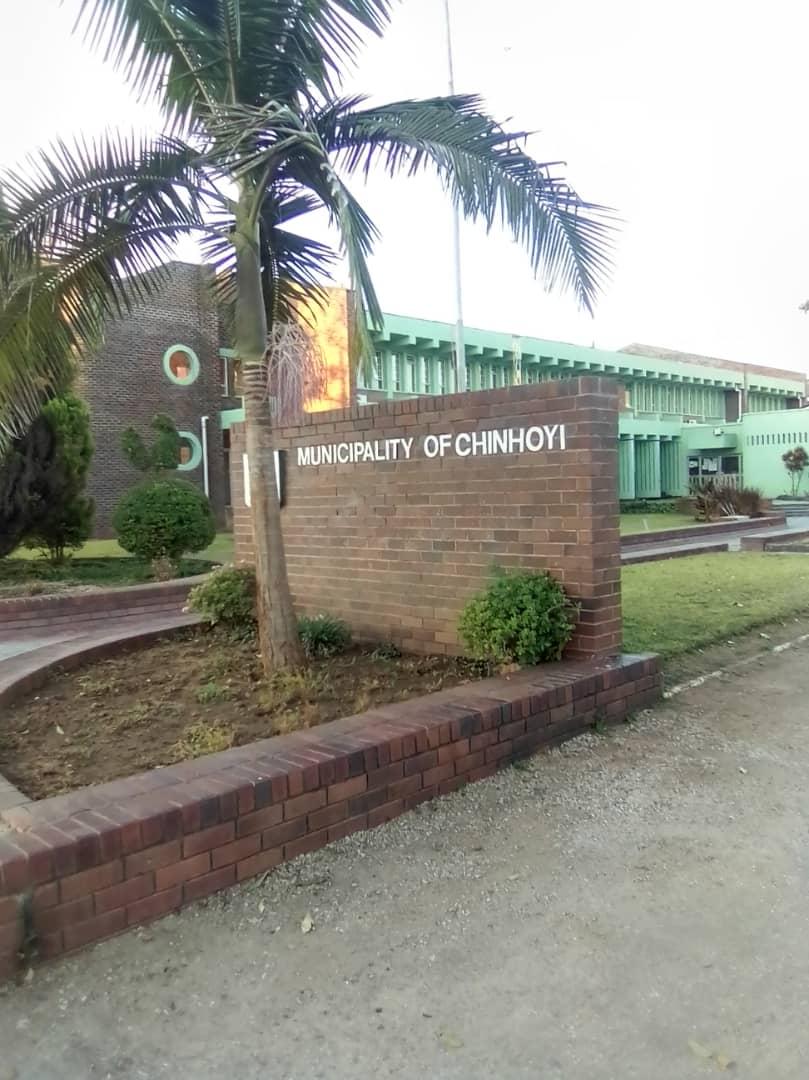
CHINHOYI, the provincial capital of Mashonaland West, has announced a comprehensive three-phase plan to address its deepening water crisis.
The initiative targets major distribution losses, ageing infrastructure, and insufficient storage capacity.
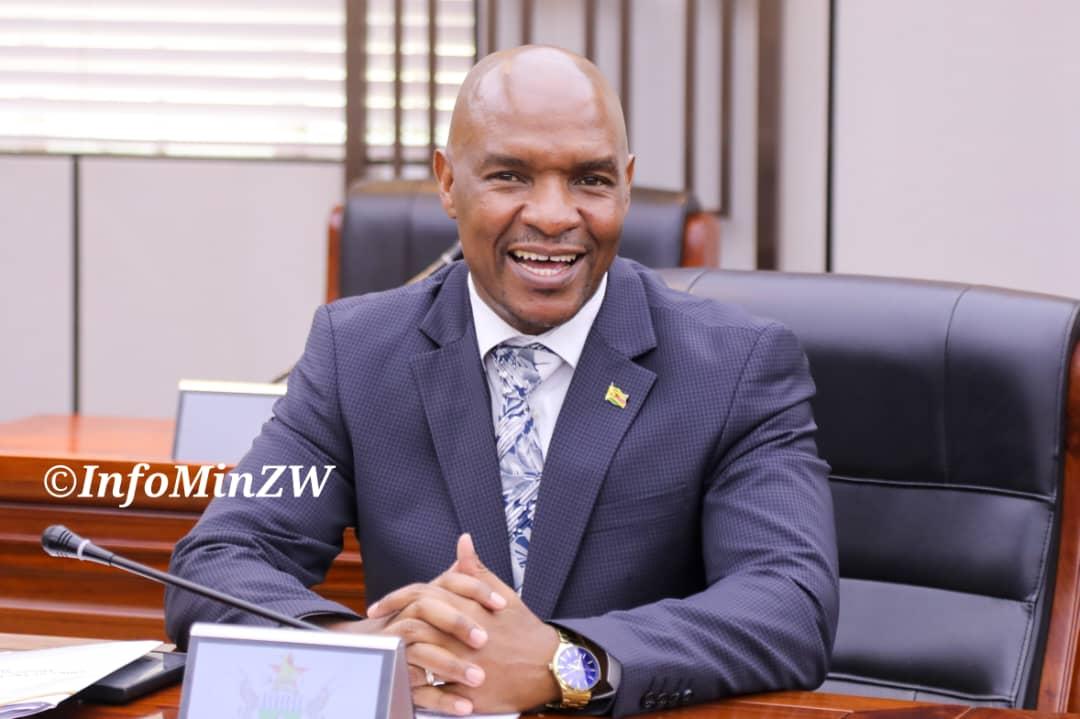
Mayor Councillor Owen Charuza acknowledged that the intervention was overdue, citing persistent water shortages resulting from the town’s growth.
He explained that after extensive discussions by the Chinhoyi Council, Zanu-PF National Chairperson Oppah Muchinguri raised the issue, ultimately bringing it to President Emmerson Mnangagwa’s attention.
He added that these developments have created an opportunity for the town to finally tackle its long-standing water problems, with a technical team set to collaborate with the council on solutions to enhance water supply.
He said the town had already engaged Helcraw and Anco, with Helcraw now having an opportunity to work with council on the proposed interventions.
“We discussed the three stages for addressing our water issues,” Mayor Charuza said.
He noted that while the crisis would not be resolved in just three weeks, the council wanted work to commence immediately through memoranda of understanding and other agreements.
The first phase will focus on what the mayor described as “low-hanging fruit”—immediate actions that can quickly boost water availability without waiting for major infrastructure projects.
Central to this phase is reducing non-revenue water losses, which currently account for 38.7 percent of the city’s water and significantly diminish the supply before it reaches residents.
The work will involve fixing valves, replacing damaged pipes, repairing taps, and rehabilitating the filter beds at the city’s water treatment plant.
The filter beds need new nozzles and sand, which will be sourced from Kwekwe, to accelerate the water purification process.
“If that 38 percent loss is factored back into distribution, it means we will get the full 22 megalitres or even more,” he said.
This phase will also introduce measures to ensure residents pay for the water they use, including the planned installation of prepaid water meters.
The mayor said this system would address challenges linked to traditional meter readings and unpaid water bills.
The council also intends to expand its water network to areas previously excluded from earlier infrastructure projects.
He cited parts of Old and New Orange Grove as some of the areas requiring attention.
The broader goal, he said, is to increase the town’s capacity to distribute 74 megalitres of water per day.
The second and subsequent phases will build upon the initial improvements, including the construction of additional reservoirs to boost water storage capacity.
Mayor Charuza added that the programme is a long-term effort, with different components expected to be implemented over periods ranging from three or four months up to ten months.
He stated that the local authority is determined to commence these processes before the official project announcement.
“By the time the President visits, he will be informed so that he can officially announce the water project, but all the groundwork will already be underway,” he said.
For residents who have endured prolonged water shortages, the proposed intervention marks a shift towards addressing not only raw water shortages but also the losses and infrastructure weaknesses undermining distribution.
However, the council’s immediate challenge will be transforming these plans into tangible improvements at residents’ taps while ensuring a steady supply throughout the rehabilitation process.