

Antony Chawagarira
HARARE — Zimbabwe’s 2-1 defeat to the Democratic Republic of Congo at the National Sports Stadium has reignited the debate over the Warriors’ goalkeeping department. Former national team goalkeeper Japhet “Short Cat” Muparutsa has called for a more structured system to identify and develop goalkeepers for international football.
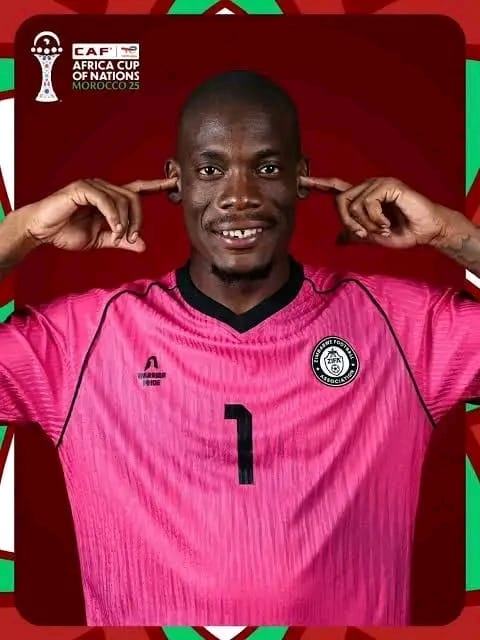
The defeat followed Zimbabwe’s 3-2 comeback victory over Sierra Leone in Morocco, which opened its 2027 Africa Cup of Nations qualifying campaign. Elvis Chipezeze started in both matches. Against Sierra Leone, Zimbabwe conceded twice in the first half before recovering to win 3-2.
Former football commentator and seasoned journalist Ezra Sibanda criticised Chipezeze’s performance against DR Congo, arguing that his positioning, ball handling, and decision-making contributed significantly to the defeat.
Sibanda said the goalkeeper appeared unsettled between the posts and questioned whether Zimbabwe should consider other options for the number one position.
He also urged that Warriors coach Ramón Catalá be allowed to build and select his squad according to his own technical assessment, without outside interference in team selection.
Sibanda’s concerns are informed by Chipezeze’s previous international experiences, including the Warriors’ 4-0 defeat to DR Congo at the 2019 Africa Cup of Nations, when he conceded four goals after being drafted into the starting lineup following an injury to George Chigova.
Muparutsa, meanwhile, believes the solution should go beyond changing the goalkeeper for individual matches.
“The Zimbabwe Football Association needs a dedicated and properly qualified goalkeeping coach for the national team,” Muparutsa said.
He said the goalkeeping coach should closely monitor goalkeepers playing in the domestic league throughout the season, assessing their performance, development, consistency, and suitability for international football.
“When the national team is selected, the goalkeeping coach should work closely with the head coach and provide professional recommendations about which goalkeepers should be chosen for the squad,” he said.
Muparutsa said such an approach would ensure that national team goalkeepers are identified through regular observation and performance, rather than reputation or limited exposure.
The former Warriors goalkeeper has extensive experience in Zimbabwean football and was one of the country’s prominent goalkeepers during the 1980s. He also mentored other goalkeepers during his playing career.
Calls for a more systematic approach to goalkeeping have also resonated with Warriors supporters. Two fans interviewed after the DR Congo match said the national team needs stronger competition for the number one position, as well as a more consistent process for identifying goalkeeping talent.
The supporters said selection should be based on current form and sustained performances at the club level, and that the technical team should be given sufficient room to assess available players.
Zimbabwe’s starting lineup against DR Congo included Chipezeze in goal, with Martin Mapisa among the substitutes.
The debate now highlights not only the performance of individual goalkeepers, but also how Zimbabwe identifies, develops, and prepares its goalkeeping talent for international competition.