Harare, (New Ziana) – Religious leaders have a critical role to play in combating gender-based violence (GBV) in Zimbabwe due to their influence and the trust they command among millions of followers, a government official has said.
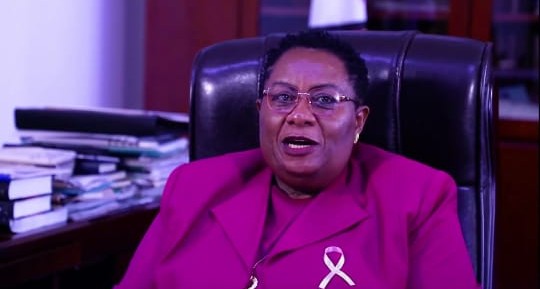
In an interview with New Ziana, on the sidelines of a meeting with religious leaders from various denominations in the capital on Thursday focusing on strengthening church capacity for gender justice and GBV prevention in Zimbabwe, the permanent secretary in the Ministry of Women Affairs, Community and Medium Enterprises Development, Mavis Sibanda said Zimbabwe is a deeply religious nation, with the majority of citizens belonging to various churches and religious groups.
”Religious leaders are respected people in society and they have a large following. Many of the people who attend churches are also members of communities affected by gender-based violence. Some perpetrators themselves are church members, and the most effective way to reach them is through their leaders,” she said.
The Ministry, said Sibanda, is therefore working closely with religious leaders across denominations to equip them with knowledge and skills to help prevent and address GBV through their sermons, teachings and community activities.
”We want to train religious leaders so that they understand how to mitigate gender-based violence. Through their preaching and the activities they conduct within their churches, we expect them to educate their congregants and promote positive behaviour,” she said.
The government, said the permanent secretary, views religious leaders as strategic partners because their followers listen to and respect their guidance.
She noted that even national leaders acknowledge the significant role played by religious institutions in society.
Their importance was recently highlighted when religious leaders paid a courtesy call on President Emmerson Mnangagwa, demonstrating the recognition they enjoy at the highest levels of leadership, said Sibanda.
”We are not focusing on one church or denomination. We are talking about all religious leaders because they are important people who can influence positive change in society,” she said.
The Ministry, said Sibanda, believes that if religious leaders consistently teach values of mutual respect, equality and peaceful coexistence, incidents of gender-based violence and harmful cultural practices can be significantly reduced.
She raised particular concern over child marriages, which authorities now classify as criminal acts.
”We no longer refer to it simply as child marriage. If a person marries a child aged 14, 15 or 16, that is child rape because the child is below the legal age of 18,” she said.
The training programme seeks to ensure that religious leaders fully understand the country’s laws so that they can accurately educate their congregations.
”We want them to know what the law says. Anyone who marries a child below the age of 18 is committing a criminal offence. Religious leaders must help us spread that message based on facts and legal knowledge,” she added.
The Ministry expects trained church leaders to cascade the information to other leaders within their congregations, creating a nationwide network of advocates.
Authorities hope the partnership will contribute to a reduction in GBV affecting women and girls, while also addressing violence experienced by boys and men.
”We are fighting gender-based violence against everyone. Women, girls, boys and men can all be affected. Religious leaders have a voice, they have a platform and they are listened to. We believe they can do a lot to help us build safer communities,” she said.
The government remains confident that stronger collaboration with religious institutions will help foster greater awareness of the law, protect vulnerable groups and promote a culture of respect and non-violence throughout the country.
New Ziana