Scholastic Madabudabu
CHEGUTU – Farmers in Mashonaland West province have been urged to embrace the Accelerated Climate-Smart Agriculture and Livestock Drought Mitigation Strategy to protect the environment from rampant burning of grass and the loss of both animal and human lives caused by veld fires.
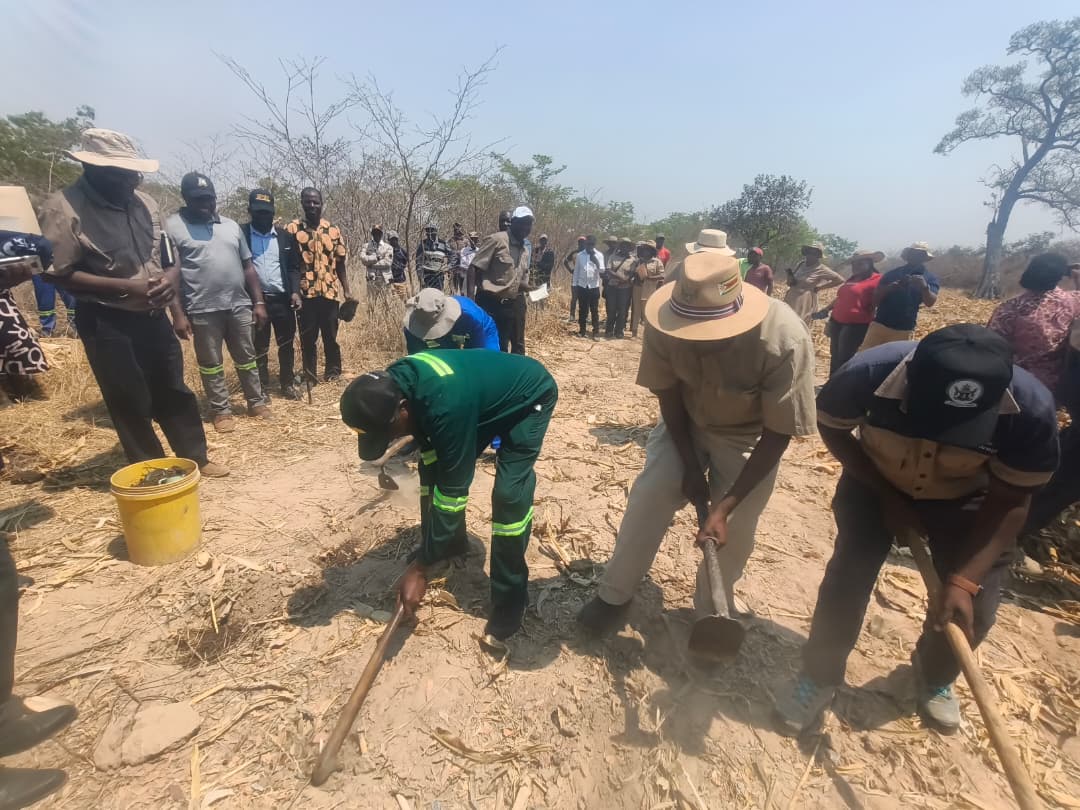
The call was made during a recent Pfumvudza/Intwasa launch, held at Headman Murombedzi’s homestead in Ward 3 of Chegutu East Constituency, where farmers were taught how they can turn the grass they burn into beneficial use.
Among the six Drought Mitigation Strategic Pillars explained to farmers were the Accelerated Cli-mate-Smart Agriculture and Livestock Drought Mitigation Strategy pillars, which can protect the en-vironment from veld fires.
Agritex Provincial Director Caristo Masiwa said under Accelerated Climate-Smart Agriculture (Pfumvudza/Intwasa), farmers are being urged to use grass and dry maize stalks for mulching to preserve moisture in the soil.
“That means if all farmers cut grass and maize stalks for this purpose, veld fires will be reduced or completely stopped,” he said.
“The Livestock Drought Mitigation Strategy pillar encourages farmers to use grass for hay bales and crush maize stalks into livestock feed. This means that the grass and maize stalks that farmers once thought were useless and only fit for burning can be turned into useful resources under Pfumvu-dza/Intwasa.”
Farmers were told that grass is not waste.
“It is food for the soil and feed for animals. When grass is left to burn, the soil becomes weak and dry. But when it is cut and used as mulch, the soil keeps moisture and crops grow well. When it is baled into hay, animals have feed during the dry season. So, the same grass can do two good jobs,” said the Agritex Provincial Director.
He also explained that maize stalks are valuable, as they can be crushed into livestock feed.
“They can also spread them on the fields to protect the soil from the hot sun. As the stalks rot, they add nutrients to the soil. This helps farmers get better harvests even when rains are poor,” added Masiwa.
“If all farmers in Chegutu East and beyond follow these simple steps, veld fires will become fewer. There will be more pasture for livestock and more moisture in the soil. Farms will be greener and more resilient to drought. Pfumvudza/Intwasa is therefore a real game changer, turning grass and maize stalks from a fire risk into vital resources that support both crops and livestock.”
-Rural Communications Service