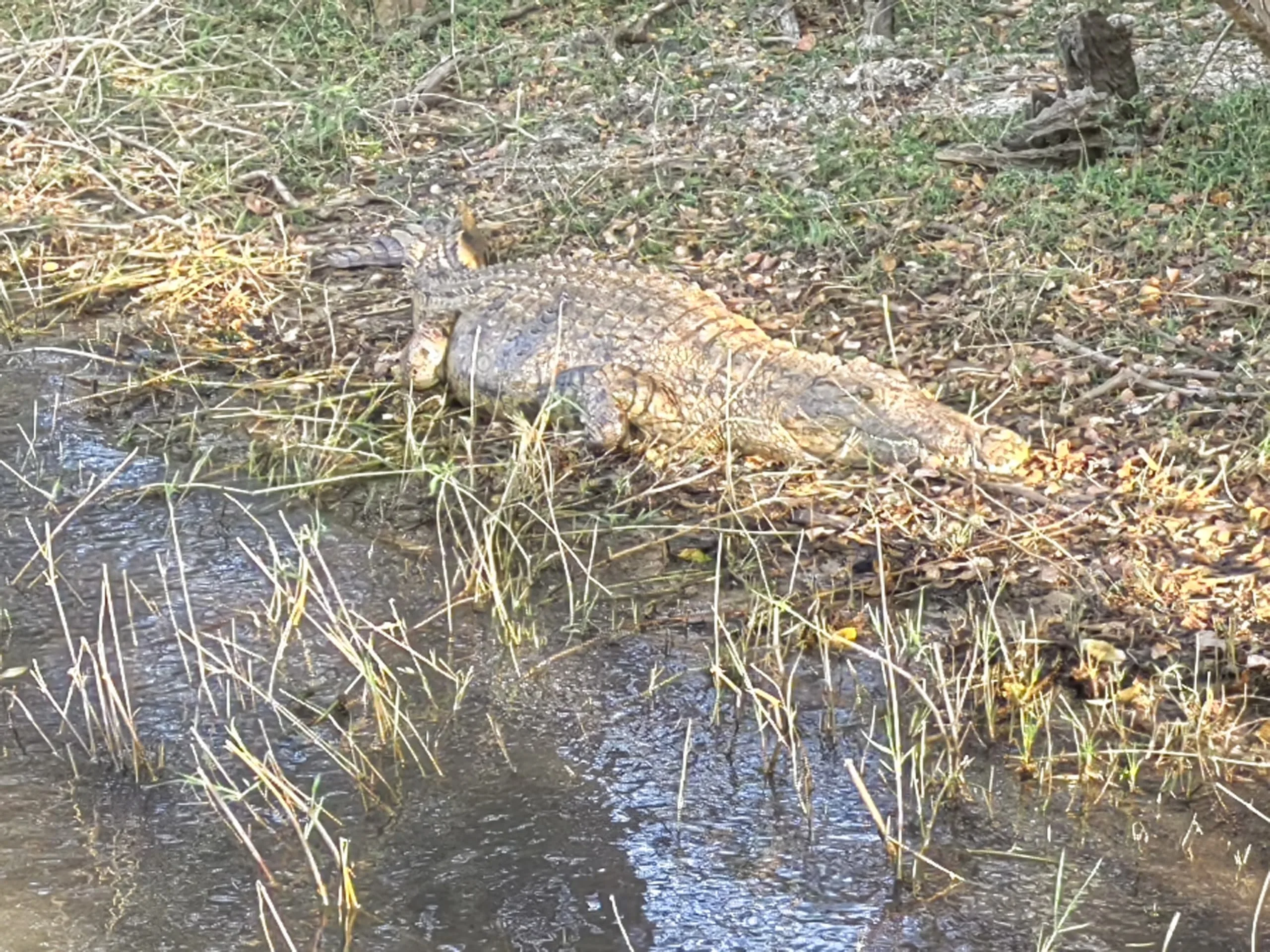
Bulawayo, (New Ziana)-There is need to promote crocodile farming in the country as it has potential to rake in the much-needed foreign currency as well as create employment, an official said.
Chief Director for the Directorate of Veterinary Services in the Ministry of Lands, Agriculture, Fisheries, Water and Rural Development Pious Makaya said this after touring Binga Crocodile farm, a key player in the exotic livestock sector.
The farm is also known for its export of premium crocodile skin to Europe as well as local distribution of crocodile meat.
“Crocodile skin ranks among Zimbabwe’s top foreign currency earners, while the industry drives employment and economic growth,” he said.
Makaya visited the farm as part of a government initiative to explore scaling up crocodile production, with exports already reaching Europe, Asia, and other global markets.
“Facilitating such trade and marketing is a core mandate of the Directorate of Veterinary Services. We are there to promote and facilitate trade in animals and animal skins including crocodiles and their products,” he said.
He said it was also their role to ensure that skins and meat and fillets from the crocodiles were safe for human consumption.
“Thus why we work together with these farmers because we want to ensure products from their farms are fit for human consumption and use. As you know we get belts, bags, jackets to mention a few, from crocodile products. Crocodile farming is just a new product which is coming up. We have other products such as beekeeping and aqua-culture and we want to see many products being commercialised,” he said.
Makaya also said he was happy that local farmers were expanding their markets to Victoria Falls and Kariba.
Farm veterinarian, Noble Sakuringwa said they have over 600 breeding crocodiles with skin as their flagship product and meat, catering for domestic consumers.
“In crocodile farming our major product is skin, and meat is a by-product, and we sell meat to local people and we have markets in Victoria Falls and Kariba,” he said, adding they previously exported skins to Belgium, but reduced capacity now makes container shipments there unviable.
“The total number of breeders we have over 600, and the ratio of male to female is 1:6,” said Makaya, adding the farm is the largest employer in Binga district, anchoring livelihoods and driving the local economy.
Crocodile skin exports surged by 56 percent in 2023 alone, rising from US$22 million to US$34 million, and supports roughly 1 600 direct jobs.
Zimbabwe remains the world’s second-largest exporter of Nile crocodile products and leads the Niloticus skin market with around 45 percent global share.
New Ziana