
By Zachary Gava
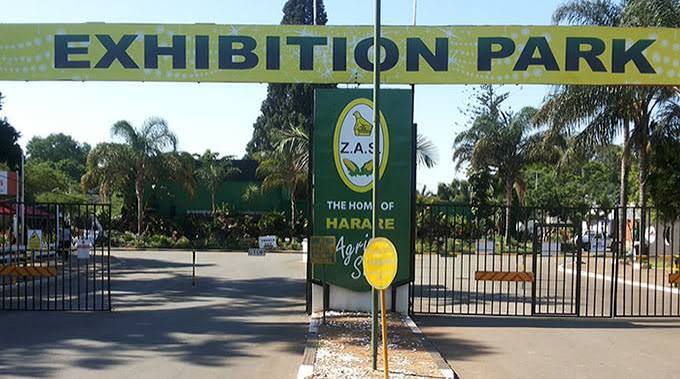
Harare, (New Ziana) — The curtain came down on the 116th edition of the Zimbabwe Agricultural Show in Harare on Saturday, with the record participation of 640 exhibitors and a marked increase in livestock and crop entries underscoring growing confidence in the country’s agricultural sector.
The six-day showcase, which ran from August 24 to 29 under the theme “Powering Growth: Where Agriculture, Technology and Commerce Converge,” brought together farmers, agribusinesses, investors, policymakers, technology providers and members of the public in a display that increasingly went beyond traditional agriculture to embrace innovation, commercialisation and investment.
The 640 exhibitors represented a 4.4 percent increase from the previous year, with organisers saying the strong turnout reflected growing confidence in the Zimbabwe Agricultural Show as a platform for business, innovation, market access and networking.
The increase was not confined to commercial exhibition stands, but was also evident in the livestock and crop sections, where several categories recorded substantial growth from the previous edition.
Beef cattle entries increased to 112 from 66 last year, while goat entries rose from 40 to 78.
Sheep entries climbed from 30 to 45, pigs increased from 26 to 34, while rabbit entries went up from 84 to 99.
Poultry recorded one of the most notable increases, with entries more than doubling from 105 last year to 269 this year.
The crops section also registered significant growth, with 120 tobacco entries, representing a 135 percent increase from last year.
The increase in tobacco participation was attributed to greater involvement from farmers in Manicaland and Matabeleland South, alongside growing interest in both flue-cured and naturally cured Virginia tobacco.
The figures provided a strong agricultural dimension to an event whose exhibition component has continued to broaden over the years, incorporating machinery, financial services, technology, manufacturing, agro-processing and other businesses linked to the agricultural value chain.
The show did not begin at full throttle.
On Monday, the opening day, activity at the Exhibition Park was relatively subdued, with a number of exhibitors still racing against time to complete their stands, arrange products and put finishing touches to displays.
Visitor traffic was initially light as businesses concentrated on getting their exhibition spaces ready, creating an impression of a slow start to the week.
However, the pace steadily picked up as the week progressed.
By Friday, when President Emmerson Mnangagwa officially opened the show, the Exhibition Park had become significantly busier, with large numbers of visitors moving between exhibition halls, outdoor displays, livestock sections and entertainment areas.
The momentum continued into Saturday, the final day, as families, farmers, businesspeople and other visitors took advantage of the last opportunity to view the displays and participate in the activities on offer.
The growing crowds provided a sharp contrast to the quieter opening hours on Monday and demonstrated the enduring appeal of the agricultural showcase as both a business and public event.
President Mnangagwa’s participation in the official opening further raised the profile of the event after a last-minute change to the programme saw him replace Namibian President Netumbo Nandi-Ndaitwah, who had initially been scheduled to officiate.
The President had previously officially opened the 113th edition of the show in 2023.
This year’s theme placed particular emphasis on the intersection between agriculture, technology and commerce, reflecting the changing nature of Zimbabwe’s agricultural sector.
The show provided platforms for businesses and farmers to explore technologies and innovations aimed at increasing productivity, improving efficiency and strengthening resilience to climate-related challenges.
The programme also featured several conferences and business engagements, including discussions around livestock, environmental, social and governance issues, agribusiness, artificial intelligence in agriculture and other areas affecting the future of the sector.
The AI in Agriculture conference, held in partnership with the Ministry of ICT and Courier Services, was among the initiatives demonstrating the growing role of digital technologies in modern farming.
The Home Industries section meanwhile provided space for women and young entrepreneurs to showcase products ranging from processed foods and leather goods to crafts and cosmetics, highlighting the contribution of small businesses to inclusive economic development.
The show increasingly served as a meeting point not only for farmers and agricultural suppliers, but also for financial institutions, technology companies, manufacturers, researchers, policymakers and entrepreneurs.
The Zimbabwe Agricultural Society says the event is intended to encourage investment in agriculture and agro-industrial development, strengthen links between research and production, support knowledge exchange on sustainable and climate-resilient practices, and facilitate policy dialogue on agricultural transformation and economic growth.
Although this was the 116th edition of the Zimbabwe Agricultural Show, its institutional roots stretch back even further.
The Zimbabwe Agricultural Society was established in 1895, initially with a mandate to promote agriculture and activities supporting agricultural development in the country. The first annual show at the present Exhibition Park was held in 1921.
Over more than a century, the agricultural showcase has evolved considerably.
What was once primarily a platform for farmers to exhibit livestock, crops and agricultural produce has developed into a major national meeting point for agriculture, business, investment, technology and knowledge exchange.
The Zimbabwe Agricultural Society describes the show as the premier showcase of Zimbabwean agriculture, with the annual event attracting about 200 000 visitors on average and more than 600 exhibitors in recent editions.
The evolution of the show mirrors changes within Zimbabwe’s agricultural economy itself, with traditional farming now increasingly intersecting with mechanisation, digital agriculture, improved genetics, precision farming, climate-smart agriculture, research and agro-processing.
As the gates closed on Saturday, the 116th edition left behind a picture of an agricultural sector seeking to expand production while embracing technology and stronger commercial linkages.
The record 640 exhibitors, increased livestock participation and surge in several crop categories provided evidence of growing engagement across the agricultural value chain.
More importantly, the transformation of the show from a relatively quiet opening on Monday into a hive of activity by Friday and Saturday illustrated the continued ability of the annual showcase to attract both business and public interest.
For exhibitors, the event provided an opportunity to market products, identify customers and establish partnerships.
For farmers, it offered access to machinery, inputs, technologies, information and potential markets.
For policymakers and investors, it provided a platform to assess developments within the sector and engage with players across the agricultural value chain.
And for the public, particularly families and young people, the show once again offered an opportunity to experience agriculture beyond the farm — through livestock displays, machinery, technology, entrepreneurship, entertainment and innovation.
With the 116th edition now concluded, the Zimbabwe Agricultural Show once again demonstrated why, more than a century after the establishment of the Zimbabwe Agricultural Society, it remains an important fixture on the country’s agricultural and business calendar.
New Ziana