
DEFORESTATION is one of the environmental problems that has led to land degradation across
the country, with some of the impacts being soil loss and bio-diversity loss. Matabeleland South
is one of the provinces that has been affected by the rampant cutting down of trees, especially the
Mopane tree, which is one of the nation’s protected species.
This environmental problem has been noticed during the stakeholder engagement meetings and
training exercises that have been carried out across the seven districts of the province during the
months of October and November this year (2022). Deforestation is one of the major
environmental issues raised by the Environmental Sub-Committee (ESC) members, councillors
and traditional leaders in their communities during the engagements.
Several factors that have contributed to environmental crimes such as deforestation have been
articulated. The following are the factors that contributed to deforestation in their areas:
unemployment as Mopane trees are being cut and sold to generate income and this is practised in
rural areas. Firewood vendors are transporting wet mopane wood for example from rural areas
like Sigangatsha and Bhewula in Matobo to mention a few and transporting them into nearby
business centres for sale.
People from these areas also practise stream bank cultivation, which is one of the causes of
deforestation. Due to low rainfalls and high temperatures they experience they are forced to
practise stream bank cultivation, which contributes to deforestation due to the use of brushwood
as fences as they try to protect their crops from livestock.
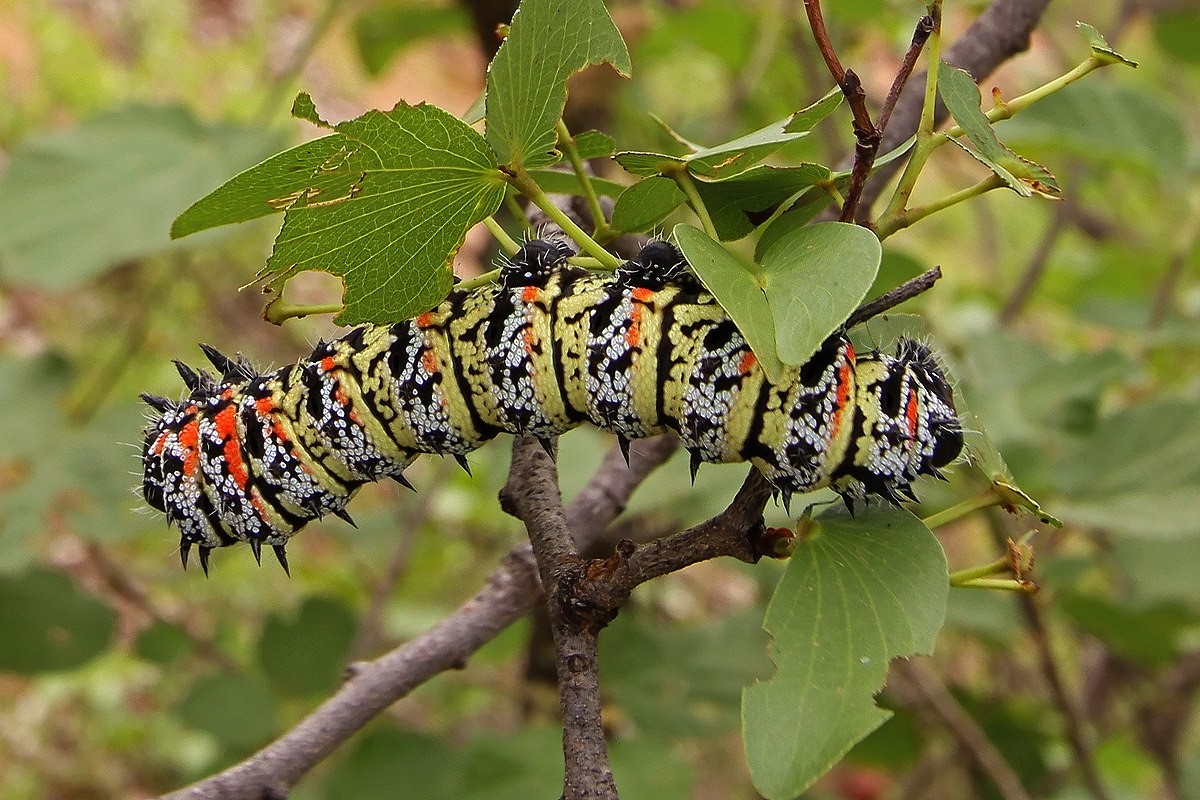
Mopane worm harvesting has also been mentioned as one of the factors that contributes to the
destruction of trees, especially the Mopane trees as people use brushwood and branches for
shades construction during their mopane worm harvest camping. Also, illegal gold panning has
highly contributed significantly to the destruction of trees.
Destruction of trees in this province has affected the environment negatively as well as affecting
ecosystem, loss of biodiversity, increasing the rate of erosion. Increased erosion has led to
formation of gullies, siltation, flooding, and pollution of water sources, Trees, as we know, are
carbon sink, and thus their destruction leads to an increase in climate change due to increased
greenhouse gases such as carbon dioxide.
The parastatal organizations like EMA and Forestry Commission along with Rural District
Councillors and other organisations, which deal with the environmental issues, conservation and
preservation of natural resources has played an important role in by coming up with a
programme of training the Environmental Sub-Committees in every area of Zimbabwe.
The main objective of the ESC training is to capacitate ESC committees on the environmental
laws and coming up with the environmental management plans and also to educate people in the
various areas on best ways of conserving natural resources. These ESC committees were also
trained to be able to identify environmental issues in their areas and be able to enforce by-laws.
EMA together with ZRP and Forestry Commission also organises an operational patrol so as to
reduce deforestation, and arrest people, who are found deforesting or transporting firewood
without a licence. People are encouraged to participate during tree planting activities which is on
the first Saturday of December.
The law states that:
No person shall sell or trade in any firewood except under the terms of a firewood trader’s
licence obtained in every district, where he or she proposes to operate (unless he or she obtains
his or her firewood exclusively from any firewood plantation in which event the person is then
only required to obtain a firewood trader’s license in the district in which the plantation is
located ,or if there are two or more such plantations in two or more districts, in whichever district
the person chooses to obtain a licence.