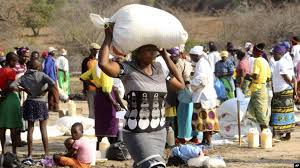
Harare, (New Ziana) – The United Nations World Food Programme (WFP) has warned that a large portion of the population was still vulnerable to hunger, with the agency now urgently seeking US$36.5 million to sustain life-saving food assistance operations in the country over the next six months.
In its latest country update, the UN food agency said it continues to support vulnerable communities grappling with the effects of climate shocks, economic hardships and food shortages, although funding gaps and supply chain disruptions have slowed the pace of some interventions.
The WFP revealed that in April alone, it assisted approximately 161,000 people across Zimbabwe through food distributions and cash-based support programmes.
The organization distributed nearly 2,890 metric tonnes of food while also providing more than US$67,000 in cash transfers to struggling households.
“The humanitarian needs remain significant, and predictable funding is essential to ensure uninterrupted support to vulnerable populations,” WFP said.
The agency noted that its 2025-2026 Lean Season Assistance programme, launched in January in partnership with humanitarian organizations, was designed to support over 199,000 food insecure people by March this year.
However, operational challenges affected implementation in the early stages of the programme.
According to WFP, disruptions in food supply pipelines, particularly delayed deliveries of cereals and pulses, negatively affected February distributions, with assistance reaching only about 125,000 beneficiaries during that period.
“Pipeline breaks and delayed commodity deliveries constrained operations earlier in the season, but improved supply conditions in March enabled increased assistance,” the organization said.
By March, WFP and its partners had managed to assist around 151,000 people, although this still fell below the intended target.
To address the backlog and ensure affected communities received support, the distribution cycle was extended into April.
Meanwhile, WFP indicated that the outlook for the 2025-2026 farming season presents a mixed picture.
Preliminary agricultural assessments show that farmers planted staple cereals on approximately 2.43 million hectares, surpassing the national target by three percent.
Despite the positive performance, the planted area was slightly lower than the previous farming season, according to findings from the First Round Crops, Livestock and Fisheries Assessment (CLAFA-1).
New Ziana