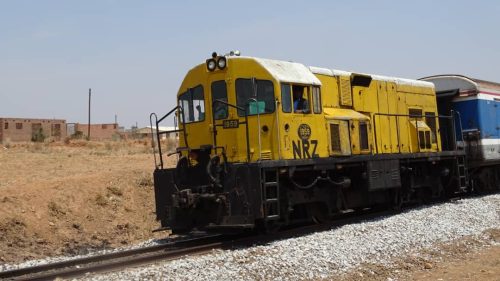
Bulawayo, (New Ziana)-The National Railways of Zimbabwe (NRZ) says the railway line between Chicualacuala and Maputo in Mozambique has been temporarily closed following extensive washaways caused by heavy rains in the neighbouring country.
The closure comes as the Southern African region continues to experience widespread flooding during the current rainy season, which has damaged key infrastructure including roads, bridges and railway lines in both Mozambique and Zimbabwe.
NRZ says it has paid off all outstanding arrears due to its Contributory Pension Fund.
In a statement, the NRZ advised its customers and the general public that rail services along the critical corridor have been disrupted.
“The NRZ would like to advise its customers and the public that the railway line between Chicualacuala and Maputo has been temporarily closed due to numerous washaways caused by heavy rains in Mozambique. This has affected the movement of traffic to and from Mozambique through the corridor,” it said.
It said its Mozambican counterpart, Portos e Caminhos de Ferro de Moçambique (CFM), the state-owned enterprise responsible for managing Mozambican railways and ports, will commence repair works once water levels subside.

“CFM has indicated that repairs will start once water levels have subsided. NRZ apologises to its valued customers for the inconvenience caused by the disruption of service,” it said.
The disruption adds to operational challenges the NRZ already faces, which has been working to stabilise its operations after a difficult performance in recent years.
The NRZ has been struggling with ageing infrastructure, limited rolling stock and frequent service interruptions, resulting in reduced cargo volumes and reliability challenges.
Flood-related damage to sections of the rail network in Zimbabwe also affect freight movements, particularly on routes linking the country to regional ports.
The heavy rains this year have further compounded the situation, with several rail sections in both Zimbabwe and Mozambique experiencing flooding, erosion and structural damage.
Transport experts warn that continued extreme weather events pose a growing threat to regional logistics corridors, underlining the need for climate-resilient infrastructure investments.
New Ziana