
Bulawayo, (New Ziana) — President Emmerson Mnangagwa has directed the National Arts Council(NAC) and local authorities to reduce registration fees and renewal levies for artists and players in the creative sector as part of broader ease of doing business reforms aimed at unlocking growth in the cultural economy.
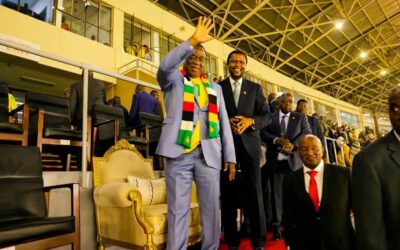
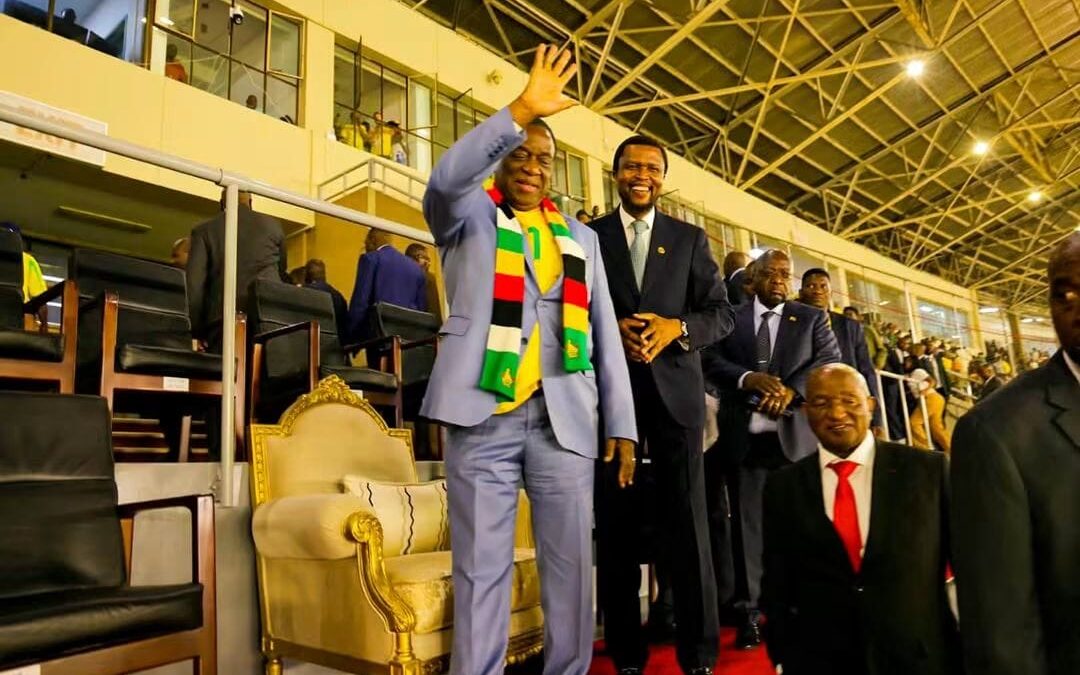
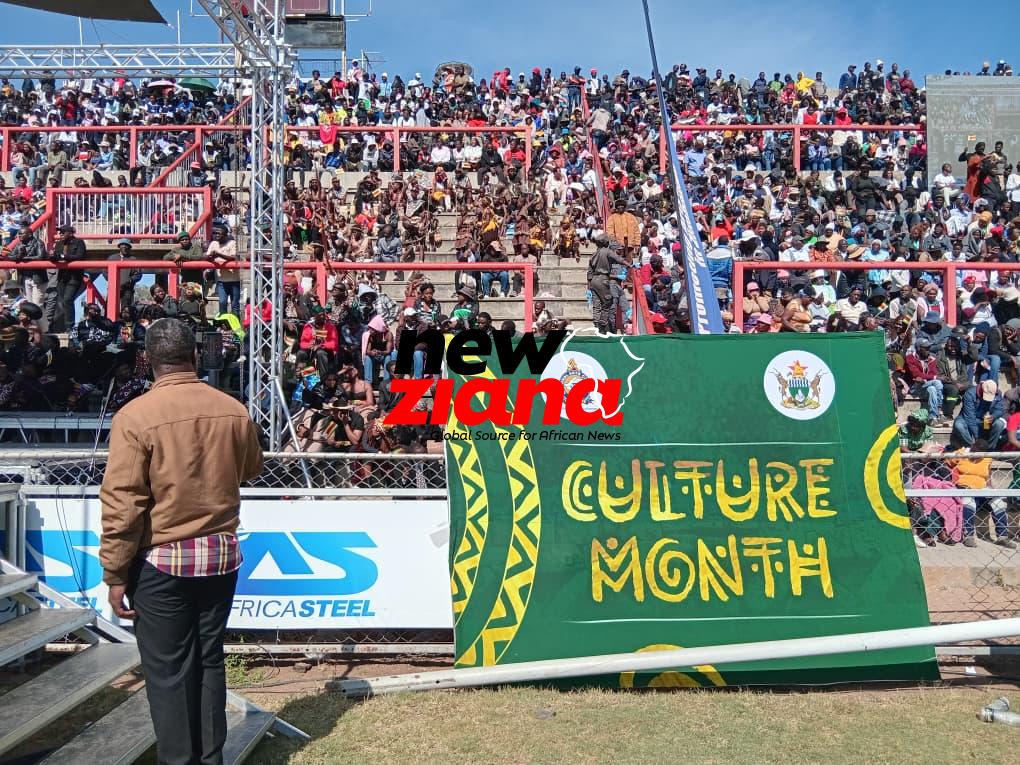
He said this when he launched the 2026 National Culture Week commemorations at Barbourfields Stadium on Wednesday, where he reaffirmed the government’s commitment to creating a conducive environment for artists, promoters and cultural organisations to thrive.
“I have, therefore, directed the National Arts Council and Local Authorities to reduce registration fees and renewal levies for artists, promoters, venues and creative organisations.
“These should be in sync with the ease of doing business reforms so that players in the Cultural and Creative Industries can spur growth of the sector,” said President Mnangagwa.
The commemorations were held under the theme “Creativity and Diversity: Advancing Vision 2030 through Cultural Expressions,” which President Mnangagwa said aligned with the country’s National Development Strategy (NDS2) and broader aspirations of attaining an upper middle-income economy by 2030.
He described culture as the foundation of national identity, social cohesion and economic transformation.
“Culture is the foundation upon which economies are constructed, it is a frontier that forges social cohesion and the fabric upon which dignity, integrity and identity of a people is derived,” he said.
He highlighted that the country’s cultural diversity should remain a source of strength and unity, stressing that the country’s traditions, languages, dances and heritage must be preserved despite pressures brought by globalisation and modern technology.
“As our country joins the international community to promote, and celebrate the world’s diverse cultures, we re-affirm that cultural diversity is not a source of division. “It is a well-spring for human ingenuity and mutual understanding. It cements unity, peaceful co-existence and propels sustainable development,” President Mnangagwa said.
He also commended artists and art creators across the country for preserving Zimbabwe’s identity through music, poetry, sculpture, gastronomy and indigenous knowledge systems.
“The abundant creativity and talent of our country is a source of national pride. These all constitute a cultural and national inheritance, bequeathed to us, as products of our civilisation, which must be treasured,” he said.
He said government viewed culture and heritage as strategic pillars for socio-economic transformation and economic empowerment, adding that the creative economy remained a priority growth sector with significant investment opportunities.
“To accelerate the attainment of Vision 2030, we must harness our unique cultural expressions, as critical instruments for national development. The ingenuity of our people is an economic asset,” he said.
President Mnangagwa also implored the corporate sector to invest in the culture and creative industries through partnerships that support infrastructure development, professionalisation and skills training for young people.
“I invite the corporate world to partner government and invest in the cultural and creative economy sector.
“Synergies in this regard, must see us create enabling infrastructure for increased professionalisation, skills training and creation of employment opportunities for talented youths,” he said.
President Mnangagwa said government was already investing in infrastructure to preserve cultural heritage and improve livelihoods at community level, citing the recently commissioned Isizinda Culture Centre in Maphisa, Matobo District, as one of the flagship projects under the Second Republic.
President Mnangagwa further challenged artists to produce authentic Zimbabwean content capable of competing on the regional and international stage while promoting Brand Zimbabwe.
“Your creative, artistic and high-quality products should enable you, to walk tall and proud, at regional and international festivals or exhibitions,” he said.
President Mnangagwa also urged the media to continuously promote local cultural content beyond commemorative events, saying the sector had a national obligation to safeguard and project the Zimbabwean identity.
He called on young people to embrace African identity and cultural heritage while using innovation to shape the future.
“You must never perceive culture, tradition and modernity as polarised enemies. Great innovators and creators of every generation have been those who draw deeply, from their roots, while reaching boldly towards new horizons,” President Mnangagwa said.
New Ziana