
Harare, (New Ziana) – Zimbabwe has called for urgent collective climate action, warning that environmental stewardship is no longer optional but an obligation owed to future generations.
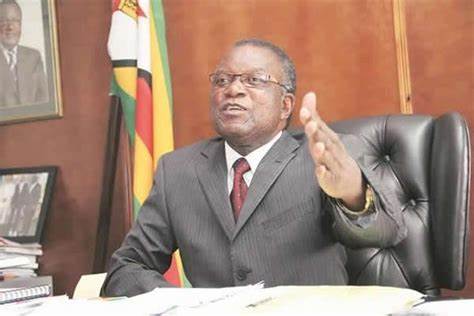
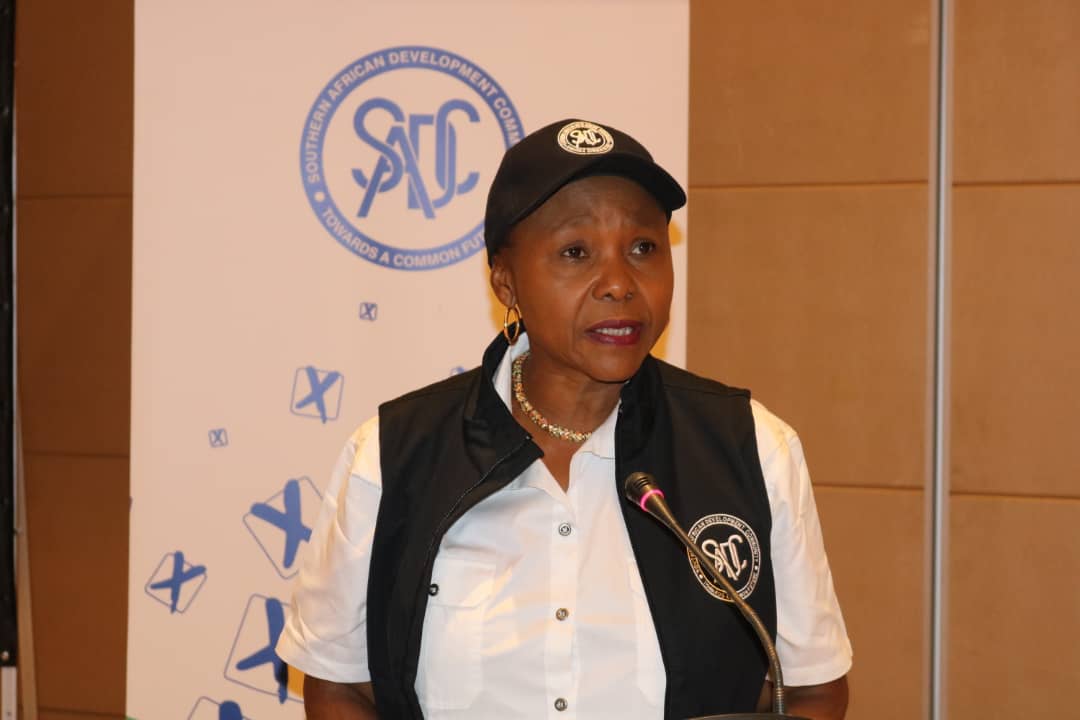
The call was made on Friday at the Inaugural Environment and Climate Change Dialogue in Harare, where Defence Minister Oppah Muchinguri-Kashiri stood in for Vice President Kembo Mohadi and delivered his keynote address. Organised by the National Economic Consultative Forum (NECF) in partnership with the Ministry of Environment, Climate and Wildlife and the Environmental Management Agency (EMA), the Dialogue ran under the theme “Accelerating Environmental Stewardship for a Climate-Smart Zimbabwe by 2030.”
Vice President Mohadi said the meeting comes at a critical moment as Zimbabwe transitions from the National Development Strategy 1 (NDS1) to NDS2, both central to President Mnangagwa’s Vision 2030 of building an inclusive, resilient, and sustainable upper middle-income economy.
He said Zimbabwe had already established a strong climate action framework through instruments such as the Environmental Management Act, the National Climate Policy of 2017, and the amended Nationally Determined Contributions (NDCs), which commit to a 40 percent reduction in greenhouse gas emissions by 2030.
“Complementary strategies — including the Low Emissions Development Strategy, the National Adaptation Plan, and the Climate Change and Gender Action Plan — further demonstrate Government’s commitment to inclusive, cross-sectoral solutions,” he said.
The Vice President warned that climate change was already taking a heavy toll on Zimbabwean communities. The El Niño-induced drought of 2024, which left more than seven million people food insecure, was cited as evidence of the urgent need for adaptation.
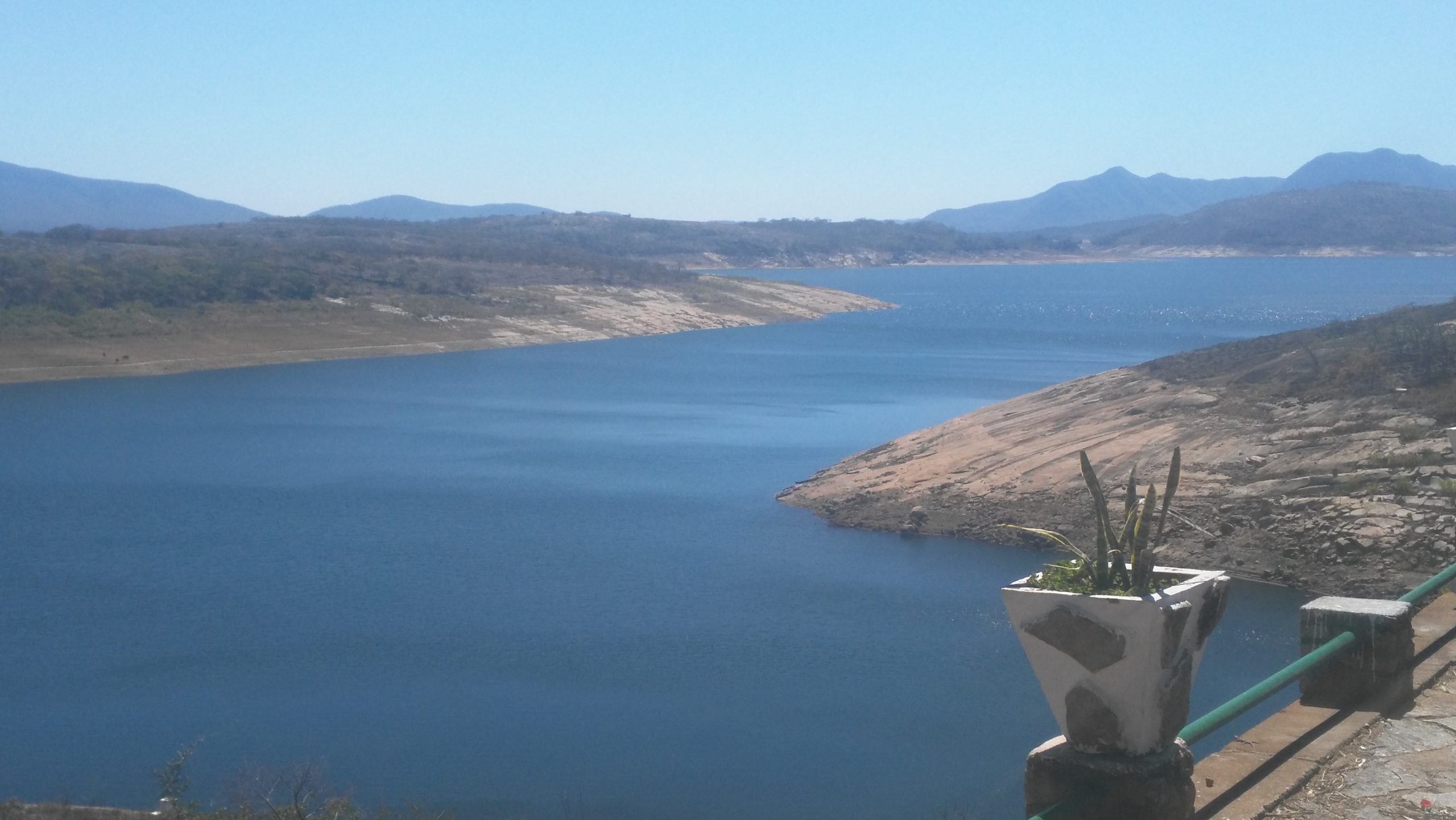
“Climate change manifests in the daily struggles of our farmers, the shrinking of our water bodies, the erosion of our soils, and the vulnerability of our rural and urban communities,” he said.
As part of the way forward, he stressed the importance of community empowerment through climate-smart agriculture, water harvesting, afforestation, and climate-proof infrastructure.
He said financing mechanisms were also highlighted, with Government turning to green bonds, carbon markets, and ESG-aligned investments to supplement public resources. Vice President Mohadi further underscored the need for partnerships with international institutions such as the World Bank, AfDB, UNDP, and the EU, alongside private sector innovation and academic research, to drive Zimbabwe’s climate-smart transition.
He challenged stakeholders to use the platform not just for dialogue but to forge practical strategies, investments, and partnerships that would accelerate the country’s climate agenda.
“The success of this Dialogue will not be measured by eloquent speeches but by the actionable outcomes that emerge. Together, under NDS2 and Vision 2030, we must accelerate the transition to a climate-smart Zimbabwe,” he said. The gathering will now be held annually as a platform to coordinate national climate action.
New Ziana