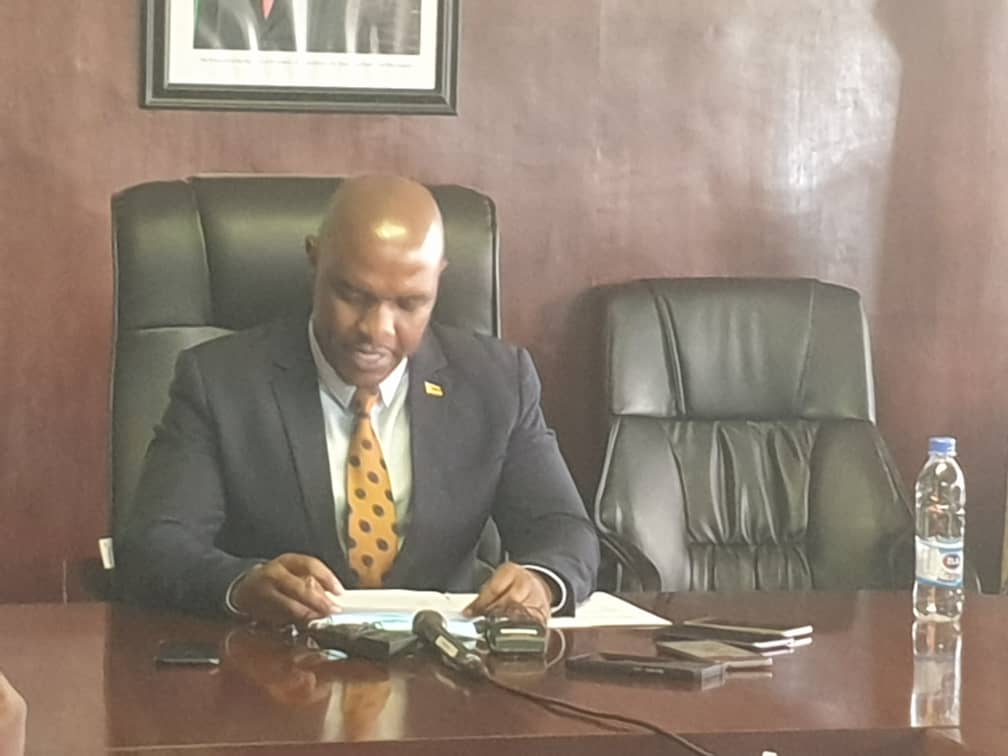
Government’s strong social protection and food security interventions have significantly improved the quality of life for Zimbabweans, according to findings from the 2025 Zimbabwe Livelihoods Assessment Committee (ZimLAC) Reports, presented at a post-Cabinet media briefing on Tuesday.
Information, Publicity and Broadcasting Services Minister Dr. Jenfan Muswere said Cabinet had considered the reports on Urban Livelihoods, Rural Livelihoods and Rural Nutrition, which were compiled following nationwide assessments conducted between 19 February and 2 March and 21 May to 9 June 2025.
He said the annual assessments were designed to provide up-to-date information on living conditions across the country, informing policy formulation and strengthening Government interventions.
“Government’s strong interventions have resulted in improved food security, with the State being the main source of social support in the aftermath of an erratic start to the 2024/2025 summer rainfall season,” Dr. Muswere said.
The minister noted that the Second Republic’s successes were being achieved within the framework of national and international strategies such as the National Development Strategy 1 (2021-2025), the Food and Nutrition Security Policy, the Sustainable Development Goals (SDGs), and the Zero Hunger Strategy.
In the education sector, Treasury disbursed ZiG 40 million to cover arrears under the Basic Education Assistance Module (BEAM) dating back to 2023.
Dr. Muswere said Government would continue to prioritise BEAM payments to safeguard access to education for vulnerable learners.
On nutrition, the minister revealed that the proportion of households consuming globally acceptable diets rose in 2025, signalling an overall improvement in living standards.
Child health indicators also improved, with Vitamin A supplementation for children aged 6 to 59 months surpassing the 90% national threshold.
However, the report raised concern over rising lifestyle-related health challenges, with 35% of adults aged 18 to 59 years classified as overweight or obese.
Dr. Muswere stressed the need to scale up awareness, early disease screening, and implementation of appropriate mitigatory measures.
The adoption of the Pfumvudza/Intwasa climate-proofing strategy increased from 47% in 2023 to 54% in 2025, reflecting growing resilience in rural households.
At the same time, the report highlighted that the debt burden for most households decreased significantly, easing financial pressure on families.
Dr. Muswere said Government will continue to strengthen social protection programmes targeting vulnerable groups such as widows, child-headed families and persons with disabilities.
“The able-bodied will be encouraged to undertake public works that create community assets while benefiting from Government support schemes,” he added.
The minister emphasized that the sustained delivery of social protection, coupled with improved food security and nutrition, had enhanced social stability, health, education and overall community well-being across Zimbabwe.
New Ziana